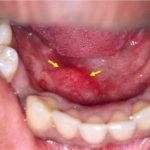

What Is Sarcoidosis?
It is a disease wherein the patient experiences inflammation in the:- Skin.
- Eyes.
- Liver.
- Lungs.
- Lymph nodes or some other tissues.
What Are The Symptoms Of Sarcoidosis?
When signs of sarcoidosis tend to appear, they involve nearly any organ system or body part, however majority of the patients develop symptoms of chest or lung:- Breathing difficulties.
- Dry cough.
- Chest pain.
- Fever.
- Fatigue.
- Joint pain or ache.
- Weight loss.
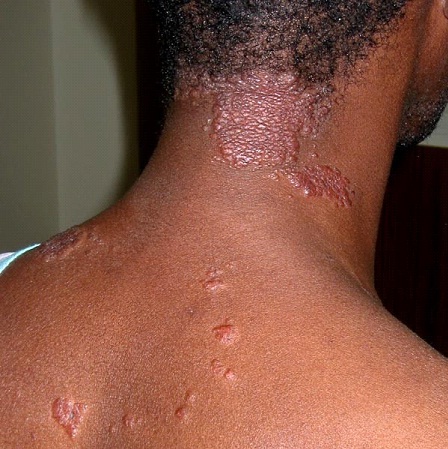
- Rash.
- Hair loss.
- Scars that get inflamed or raised.
- Appearance of firm, red, raised skin sores, usually, on lower legs.
- Weakness on particular face side.
- Seizures.
- Headache.
- Signs of eye are:
- Vision loss.
- Pain.
- Itching.
- Dry eyes.
- Discharge form eye.
- Burning.
- Nosebleed.
- Fainting spells (in case your heart is affected).
- Dry mouth.
- Swelling in your upper part.
What Causes Of Sarcoidosis?
The precise cause of the disease is yet not known. When the disease occurs, minute clumps, called granulomas emerge in specific body organs. These clumps are formed by abnormal tissues. Sarcoidosis can target any organ of your body, though; lungs are its common target. Doctors believe that with the disease, an individual has genes which helps them in the development of sarcoidosis. Moreover, things that may play a role in contributing are:- Infections with viruses and bacteria.
- Contact with chemicals or dust.
What Are The Risk Factors Of Sarcoidosis?
- Sarcoidosis is particularly common in women as compared to men.
- Usually, it occurs in young adults and is uncommon in children.
- A blood relative with sarcoidosis makes you more prone to develop it, almost five times more.
How Is Sarcoidosis Diagnosis?
The doctor will conduct a thorough physical examination of the patient. This examination will reveal:- Rash.
- Enlarged spleen.
- Enlarged lymph glands.
- Enlarged liver.
- Unusual breath sounds.
- Eye inflammation.
- Chest X-ray.
- CT scan.
- Imaging tests (liver and brain).
- Lung gallium scan.
- Echocardiogram (heart).
- CBC.
- Calcium levels (serum, ionized, urine).
- Liver function tests.
- Immunoelectrophoresis- serum.
- Serum phosphorus.
- ACE.
- Nephelometry.
How Is Sarcoidosis Treatment?
Usually, the signs of sarcoidosis tend to resolve without needing medical aid. In case your lungs, nervous system, heart and eyes are affected, then the doctor can suggest corticosteroid medicine. At times, medicines used to suppress immune system are also prescribed. Organ transplant can be advice for patients with severe damage to their lung or heart. Related Articles : Penincillin Allergy Symptoms, Causes, Diagnosis and Treatment Peanut Allergy Symptoms, Causes, Diagnosis and Treatment Nickel Allergy Symptoms, Causes, Diagnosis and Treatment Mumps Symptoms, Causes, Complications, Diagnosis, Treatment and Prevention Moles Symptoms, Causes, Complications, Diagnosis, Treatment and Prevention Milia Symptoms, Causes, Diagnosis, Treatment and Prognosis Egg Allergy Symptoms, Causes, Risk Factors, Complications, Diagnosis and Treatment Baby Acne Symptoms, Causes, Diagnosis and Treatment Age Spots Symptoms, Causes, Diagnosis and Treatment Rash Symptoms, Causes, Diagnose and Treatment Rocky Mountain Spotted Fever Symptoms, Causes, Diagnosis and Treatment Reactive Arthritis Symptoms, Causes, Diagnosis and Treatment Smallpox Symptoms, Causes, Complications, Diagnosis and TreatmentBy : Natural Health News