
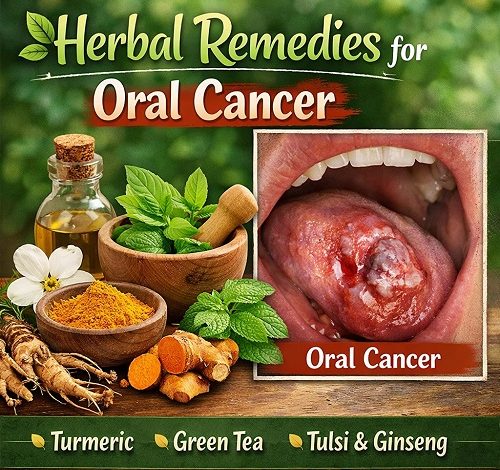
Oral cancer is a serious health condition that affects thousands of people worldwide. It involves the abnormal growth of cells in the mouth, including the lips, tongue, cheeks, gums, and throat. While conventional treatments such as surgery, chemotherapy, and radiation therapy are the primary approaches, many individuals seek complementary support through Herbal Remedies for Oral Cancer to enhance overall wellness and improve quality of life. Herbal Remedies for Oral Cancer, their potential benefits, how they work, and precautions to consider. We will also discuss Natural Remedies for Oral Cancer that may help support the body during treatment.
Understanding Oral Cancer
Oral cancer falls under the category of head and neck cancers. It often begins as a small, unnoticed lesion but can progress rapidly if not treated early.
Common Symptoms
- Persistent mouth sores
- Difficulty swallowing
- White or red patches in the mouth
- Unexplained bleeding
- Lump or thickening in the cheek
- Chronic sore throat
Risk Factors
- Tobacco use (smoking or chewing)
- Excessive alcohol consumption
- Human papillomavirus (HPV)
- Poor oral hygiene
- Prolonged sun exposure (for lip cancer)
While medical intervention is crucial, integrating Herbal Remedies may provide supportive benefits such as reducing inflammation, boosting immunity, and promoting healing.
Why Consider Herbal Remedies for Oral Cancer?
Many patients turn to Herbal Remedies for Oral Cancer for the following reasons:
- Natural immune support
- Reduction of treatment side effects
- Anti-inflammatory and antioxidant properties
- Improved oral health and healing
It is important to note that these remedies are not a cure but can be used alongside conventional treatments under medical supervision.
Top Herbal Remedies for Oral Cancer
1. Turmeric (Curcuma longa)
Turmeric is one of the most powerful Herbal Remedies for Oral Cancer due to its active compound, curcumin.
Benefits
- Anti-inflammatory properties
- Antioxidant support
- May help inhibit cancer cell growth
How to Use
- Mix turmeric powder with warm water or milk
- Apply turmeric paste to affected areas (under professional guidance)
2. Green Tea
Green tea is rich in polyphenols, especially catechins, which are known for their antioxidant properties.
Benefits
- Helps fight oxidative stress
- Supports immune function
- May slow tumor growth
Usage
- Drink 2–3 cups daily
- Use as a mouth rinse for oral health
3. Aloe Vera
Aloe vera is widely known for its soothing and healing properties.
Benefits
- Reduces inflammation
- Promotes tissue healing
- Soothes oral irritation
Usage
- Apply fresh aloe vera gel to mouth sores
- Consume aloe vera juice (consult a doctor first)
4. Garlic
Garlic contains allicin, a compound known for its medicinal properties.
Benefits
- Boosts immune system
- Exhibits anti-cancer potential
- Reduces inflammation
Usage
- Consume raw garlic or add to meals
- Garlic supplements (after medical advice)
5. Ginger
Ginger is another effective option among Natural Remedies for Oral Cancer.
Benefits
- Anti-inflammatory effects
- Helps manage nausea from chemotherapy
- Supports digestion
Usage
- Ginger tea
- Fresh ginger in meals
6. Neem (Azadirachta indica)
Neem is a traditional herb used in many cultures for its medicinal properties.
Benefits
- Antibacterial and antifungal
- Supports oral hygiene
- May help prevent infection
Usage
- Neem mouthwash
- Chewing neem leaves
7. Holy Basil (Tulsi)
Tulsi is revered in traditional medicine for its healing properties.
Benefits
- Strengthens immunity
- Reduces stress and inflammation
- Supports detoxification
Usage
- Tulsi tea
- Fresh leaves consumption
8. Licorice Root
Licorice root has anti-inflammatory and soothing properties.
Benefits
- Protects mucous membranes
- Reduces irritation
- Supports oral healing
Usage
- Herbal tea
- Mouth rinse
9. Chamomile
Chamomile is known for its calming and healing effects.
Benefits
- Reduces inflammation
- Promotes relaxation
- Helps heal mouth sores
Usage
- Chamomile tea
- Use as a mouth rinse
10. Echinacea
Echinacea is commonly used to boost the immune system.
Benefits
- Enhances immune response
- Helps fight infections
- Supports recovery
Usage
- Capsules or tea (under guidance)
Additional Natural Remedies for Oral Cancer
In addition to herbs, several Natural Remedies for Oral Cancer can support overall health:
1. Proper Nutrition
A diet rich in fruits and vegetables provides essential vitamins and antioxidants.
- Leafy greens
- Berries
- Citrus fruits
- Nuts and seeds
2. Hydration
Staying hydrated helps maintain oral health and flush toxins.
3. Oil Pulling
Using coconut oil for oil pulling may help reduce bacteria in the mouth.
4. Saltwater Rinse
A simple saltwater rinse can:
- Reduce inflammation
- Promote healing
- Prevent infection
Lifestyle Changes to Support Healing
Using Herbal Remedies for Oral Cancer is most effective when combined with healthy lifestyle choices:
1. Quit Tobacco and Alcohol
Avoiding these reduces further damage and improves treatment outcomes.
2. Maintain Oral Hygiene
- Brush twice daily
- Use a soft toothbrush
- Regular dental checkups
3. Manage Stress
Chronic stress weakens the immune system. Try:
- Meditation
- Yoga
- Deep breathing exercises
Scientific Perspective on Herbal Remedies
Research on Herbal Remedies for Oral Cancer is ongoing. Some studies suggest that compounds like curcumin (from turmeric) and catechins (from green tea) may have anti-cancer properties.
However, more clinical trials are needed to confirm their effectiveness. Herbal treatments should always be considered complementary, not a replacement for medical care.
Precautions and Safety
While Herbal Remedies can offer benefits, it is essential to use them safely.
Important Tips
- Always consult your doctor before starting any herbal remedy
- Avoid self-medication
- Be cautious of allergic reactions
- Ensure herbs do not interfere with cancer treatments
Who Should Be Careful?
- Pregnant or breastfeeding women
- Patients undergoing chemotherapy or radiation
- Individuals with chronic illnesses
Combining Herbal and Conventional Treatments
Many healthcare providers support integrative approaches that combine modern medicine with Natural Remedies for Oral Cancer.
Benefits of Integration
- Improved quality of life
- Reduced side effects
- Enhanced emotional well-being
Always inform your healthcare provider about any herbal supplements you are using.
Myths About Herbal Remedies for Oral Cancer
Myth 1: Herbs Can Cure Cancer Alone
Fact: Herbs support the body but cannot replace medical treatment.
Myth 2: Natural Means Safe
Fact: Some herbs can cause side effects or interact with medications.
Myth 3: All Herbal Products Are Effective
Fact: Quality and effectiveness vary widely.
When to See a Doctor
Seek immediate medical attention if you experience:
- Persistent mouth sores
- Difficulty swallowing
- Unexplained bleeding
- Lumps in the mouth or neck
Early diagnosis significantly improves treatment outcomes.
Future of Herbal Medicine in Cancer Care
The role of Herbal Remedies for Oral Cancer is expanding as research continues to explore plant-based compounds. Integrative oncology is becoming more popular, combining traditional and modern approaches for holistic care.
Conclusion
Herbal Remedies for Oral Cancer can provide valuable natural support for individuals dealing with this challenging condition. From turmeric and green tea to aloe vera and neem, these herbs offer anti-inflammatory, antioxidant, and immune-boosting benefits.
While Natural Remedies for Oral Cancer can enhance overall wellness and help manage symptoms, they should never replace conventional medical treatments. Instead, they should be used as part of a comprehensive care plan under professional guidance.
By combining Herbal Remedies, a healthy lifestyle, and proper medical care, individuals can improve their quality of life and support their journey toward recovery.