
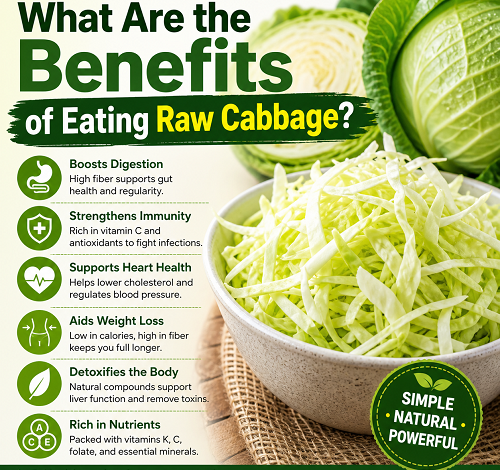
Raw cabbage is one of the most underrated superfoods sitting quietly in kitchens around the world. Whether shredded into a fresh salad, blended into a smoothie, or eaten as a crunchy snack, cabbage in its raw form delivers a powerful punch of nutrients that can significantly improve your overall health. The benefits of eating raw cabbage—from its nutritional profile to its effects on digestion, immunity, heart health, and more. By the end, you may find yourself adding this humble vegetable to your daily routine.
Introduction to Raw Cabbage
Cabbage belongs to the cruciferous vegetable family, which also includes broccoli, cauliflower, kale, and Brussels sprouts. These vegetables are widely known for their disease-fighting properties and high nutrient density.
While cooked cabbage still offers health benefits, eating it raw preserves many of its natural enzymes, vitamins, and antioxidants that can be partially lost during cooking. That’s why raw cabbage is often considered more nutritionally potent.
Nutritional Profile of Raw Cabbage
Before diving into the benefits, let’s look at what raw cabbage actually contains.
A single cup of raw cabbage provides:
- Vitamin C (over 50% of daily requirement)
- Vitamin K (important for blood clotting)
- Fiber (supports digestion)
- Folate (essential for cell growth)
- Potassium (supports heart health)
- Antioxidants (fight inflammation)
- Small amounts of calcium, magnesium, and iron
It is also extremely low in calories, making it perfect for weight management.
1. Boosts Digestive Health
One of the biggest benefits of eating raw cabbage is its positive impact on digestion.
Rich in Fiber
Raw cabbage is packed with dietary fiber, which helps:
- Promote regular bowel movements
- Prevent constipation
- Maintain a healthy gut microbiome
Supports Gut Bacteria
The fiber in cabbage acts as a prebiotic, feeding the good bacteria in your gut. A healthy gut microbiome improves digestion and even impacts mood and immunity.
Natural Enzymes
Unlike cooked cabbage, raw cabbage contains natural enzymes that aid in breaking down food more efficiently.
2. Strengthens the Immune System
Your immune system depends heavily on nutrients like vitamin C—and raw cabbage delivers a generous amount.
High Vitamin C Content
Vitamin C:
- Helps produce white blood cells
- Protects against infections
- Acts as a powerful antioxidant
Regular consumption of raw cabbage can help your body fight off colds, flu, and other infections more effectively.
3. Supports Weight Loss
If you’re trying to lose weight, raw cabbage is an excellent addition to your diet.
Low in Calories
You can eat large portions without consuming too many calories.
High Satiety
The fiber content helps you feel full longer, reducing overeating.
Improves Metabolism
The nutrients in cabbage help support metabolic processes, making fat-burning more efficient.
4. Promotes Heart Health
Raw cabbage contributes to a healthier heart in several ways.
Rich in Antioxidants
Compounds like polyphenols reduce inflammation and oxidative stress, which are major contributors to heart disease.
Helps Lower Cholesterol
Fiber binds to bile acids and helps remove cholesterol from the body.
Regulates Blood Pressure
Potassium in cabbage helps balance sodium levels, reducing blood pressure.
5. Detoxifies the Body Naturally
Your body has its own detox system (liver, kidneys), but raw cabbage helps support these processes.
Contains Sulfur Compounds
These compounds:
- Help detoxify harmful toxins
- Support liver function
- Promote better digestion
Flushes Out Toxins
The high water and fiber content assist in removing waste from the body.
6. Reduces Inflammation
Chronic inflammation is linked to many diseases, including arthritis, heart disease, and diabetes.
Anti-Inflammatory Properties
Raw cabbage contains:
- Anthocyanins (especially in red cabbage)
- Glucosinolates
These compounds help reduce inflammation and protect cells from damage.
7. Improves Skin Health
Healthy skin often starts from within, and raw cabbage can play a role.
Promotes Collagen Production
Vitamin C helps produce collagen, which:
- Keeps skin firm
- Reduces wrinkles
- Improves elasticity
Fights Skin Damage
Antioxidants protect against:
- UV damage
- Pollution
- Premature aging
8. Supports Bone Health
Raw cabbage is a good source of vitamin K, which is crucial for bone strength.
Role of Vitamin K
- Helps with calcium absorption
- Supports bone mineralization
- Reduces risk of fractures
Regular consumption can contribute to stronger bones over time.
9. May Help Prevent Cancer
Cruciferous vegetables like cabbage are often linked to cancer prevention.
Contains Glucosinolates
These compounds break down into biologically active substances that:
- Help eliminate carcinogens
- Protect DNA from damage
Antioxidant Protection
Reduces oxidative stress, which can lead to cancer development.
While cabbage is not a cure, it can be part of a cancer-preventive diet.
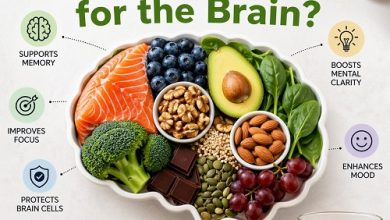
10. Enhances Brain Function
Raw cabbage also supports cognitive health.
Rich in Nutrients for the Brain
- Vitamin K supports brain function
- Antioxidants protect brain cells
Reduces Neuroinflammation
Inflammation in the brain is linked to conditions like Alzheimer’s disease.
11. Helps Regulate Blood Sugar
For people concerned about blood sugar levels, raw cabbage is a smart choice.
Low Glycemic Index
It does not cause sudden spikes in blood sugar.
Improves Insulin Sensitivity
The antioxidants and fiber help regulate glucose levels more effectively.
12. Promotes Eye Health
Raw cabbage contains nutrients that support vision.
Rich in Beta-Carotene
- Converts to vitamin A
- Supports eye health
- Prevents vision problems
13. Supports Hormonal Balance
Cabbage contains compounds that may help regulate hormones.
Detoxifies Estrogen
Helps remove excess estrogen from the body, which can:
- Reduce hormonal imbalances
- Support reproductive health
14. Boosts Energy Levels
Instead of relying on caffeine, adding raw cabbage to your diet can naturally increase energy.
Nutrient-Dense
Provides vitamins and minerals that support energy production.
Improves Oxygen Flow
Iron and other nutrients help improve blood circulation.
15. Affordable and Easy to Add to Diet
One of the most practical benefits of raw cabbage is its accessibility.
Budget-Friendly
Cabbage is inexpensive and widely available.
Versatile
You can use it in:
- Salads
- Coleslaw
- Wraps
- Smoothies
- Sandwiches
How to Eat Raw Cabbage
If you’re new to eating raw cabbage, here are some simple ideas:
1. Fresh Salads
Combine shredded cabbage with carrots, cucumbers, and a light dressing.
2. Coleslaw
Use yogurt or olive oil-based dressing for a healthier version.
3. Smoothies
Blend a small amount with fruits like apples or pineapple.
4. Lettuce Substitute
Use cabbage leaves instead of lettuce in wraps or burgers.
Potential Side Effects of Eating Raw Cabbage
While raw cabbage is generally safe, it’s important to be aware of some possible downsides.
1. Gas and Bloating
High fiber and sulfur compounds may cause digestive discomfort in some people.
2. Thyroid Concerns
Excessive consumption may interfere with thyroid function due to goitrogens.
3. Pesticide Exposure
Always wash cabbage thoroughly or choose organic when possible.
Tips for Maximum Benefits
To get the most out of raw cabbage:
- Wash thoroughly before eating
- Slice thinly for easier digestion
- Combine with healthy fats (like olive oil) to improve nutrient absorption
- Eat in moderation
Raw Cabbage vs Cooked Cabbage
| Feature | Raw Cabbage | Cooked Cabbage |
| Nutrients | Higher | Slightly reduced |
| Enzymes | Present | Destroyed by heat |
| Digestibility | Harder | Easier |
| Flavor | Crunchy, fresh | Soft, mild |
Both forms are healthy, but raw cabbage offers more active nutrients.
Final Thoughts
Raw cabbage is a powerhouse of nutrition that offers a wide range of health benefits—from improving digestion and boosting immunity to supporting heart health and reducing inflammation. It’s low in calories, high in essential nutrients, and incredibly versatile.
However, like any food, it should be consumed in moderation and as part of a balanced diet. If you’re not used to eating raw cabbage, start with small portions and gradually increase your intake.