Best Herbal Remedies for Hiatal Hernia to Soothe Heartburn and Improve Digestion

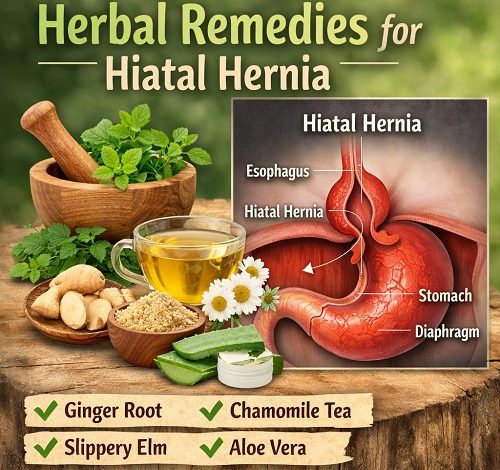
Hiatal hernia is a common digestive condition that affects millions of people worldwide. It often leads to uncomfortable symptoms such as acid reflux, heartburn, chest pain, and digestive disturbances. While medical treatments are available, many individuals are turning toward Herbal Remedies for Hiatal Hernia as a natural and holistic way to manage symptoms and improve overall digestive health. The most effective Natural Remedies for Hiatal Hernia, how they work, and how you can incorporate them into your daily routine for lasting relief.
What Is a Hiatal Hernia?
A hiatal hernia occurs when a portion of the stomach pushes up through the diaphragm into the chest cavity. This can interfere with the normal functioning of the lower esophageal sphincter (LES), allowing stomach acid to flow back into the esophagus.
Common Symptoms:
- Heartburn
- Acid reflux
- Chest discomfort
- Difficulty swallowing
- Bloating
- Burping
Although mild cases may go unnoticed, moderate to severe cases can significantly impact quality of life.
Why Choose Herbal Remedies for Hiatal Hernia?
Many people prefer Herbal Remedies because they:
- Address root causes rather than just symptoms
- Have fewer side effects compared to medications
- Support overall digestive health
- Are cost-effective and widely accessible
Herbal treatments focus on soothing inflammation, improving digestion, and strengthening the digestive system naturally.
Top Herbal Remedies for Hiatal Hernia
Below are the most effective herbs known to relieve symptoms and support healing.
1. Ginger (Zingiber officinale)
Ginger is one of the most powerful Herbal Remedies for Hiatal Hernia due to its anti-inflammatory and digestive-enhancing properties.
Benefits:
- Reduces acid reflux and nausea
- Improves gastric emptying
- Soothes the digestive tract
How to Use:
- Drink ginger tea 2–3 times daily
- Add fresh ginger to meals
- Take ginger supplements (after consulting a healthcare provider)
2. Chamomile
Chamomile is widely known for its calming and anti-inflammatory effects.
Benefits:
- Reduces inflammation in the esophagus
- Helps prevent acid reflux
- Promotes relaxation and better sleep
How to Use:
- Drink chamomile tea before bedtime
- Use as a mild digestive tonic
3. Licorice Root (DGL)
Deglycyrrhizinated licorice (DGL) is particularly effective for digestive health.
Benefits:
- Forms a protective coating in the stomach lining
- Reduces irritation caused by acid
- Promotes healing of the esophagus
How to Use:
- Chew DGL tablets before meals
- Drink licorice tea
4. Slippery Elm
Slippery elm is a soothing herb that coats the digestive tract.
Benefits:
- Protects the esophagus from acid
- Reduces heartburn symptoms
- Supports tissue healing
How to Use:
- Mix slippery elm powder with warm water
- Take as a supplement
5. Aloe Vera
Aloe vera is widely used for digestive healing.
Benefits:
- Reduces inflammation
- Soothes irritation in the stomach and esophagus
- Improves digestion
How to Use:
- Drink aloe vera juice (ensure it is food-grade and purified)
6. Marshmallow Root
Marshmallow root is another mucilage-rich herb.
Benefits:
- Coats and protects the digestive lining
- Reduces irritation and inflammation
- Helps relieve heartburn
How to Use:
- Drink marshmallow root tea
- Take capsules or extracts
7. Fennel Seeds
Fennel seeds are excellent for digestion and bloating.
Benefits:
- Reduces gas and bloating
- Improves digestion
- Helps prevent acid reflux
How to Use:
- Chew fennel seeds after meals
- Brew fennel tea
8. Turmeric
Turmeric contains curcumin, a powerful anti-inflammatory compound.
Benefits:
- Reduces inflammation in the digestive tract
- Supports overall gut health
- Helps relieve symptoms of acid reflux
How to Use:
- Add turmeric to meals
- Drink turmeric milk or tea
9. Peppermint (Use with Caution)
Peppermint can be helpful but should be used carefully.
Benefits:
- Relieves bloating and gas
- Supports digestion
Note:
Peppermint may worsen acid reflux in some individuals, so monitor your symptoms.
10. Apple Cider Vinegar (Diluted)
Though not a herb, it is often included in Natural Remedies for Hiatal Hernia.
Benefits:
- Balances stomach acid levels
- Improves digestion
How to Use:
- Mix 1 tablespoon in a glass of water before meals
Lifestyle Tips to Enhance Herbal Remedies
Using Herbal Remedies for Hiatal Hernia works best when combined with healthy lifestyle habits.
1. Eat Smaller Meals
Large meals increase pressure on the stomach, worsening symptoms.
2. Avoid Trigger Foods
Common triggers include:
- Spicy foods
- Fried foods
- Caffeine
- Chocolate
- Citrus fruits
3. Maintain Healthy Weight
Excess weight increases abdominal pressure.
4. Elevate Head While Sleeping
Prevents acid from flowing back into the esophagus.
5. Avoid Lying Down After Eating
Wait at least 2–3 hours before lying down.
Diet Recommendations
A balanced diet plays a crucial role in managing symptoms.
Foods to Include:
- Leafy greens
- Whole grains
- Lean proteins
- Non-citrus fruits
- Herbal teas
Foods to Avoid:
- Processed foods
- Carbonated drinks
- Alcohol
- High-fat foods
How Herbal Remedies Work
Herbal Remedies for hiatal hernia primarily work by:
- Reducing Inflammation
Herbs like turmeric and ginger help calm inflamed tissues. - Coating the Digestive Tract
Slippery elm and marshmallow root form a protective barrier. - Improving Digestion
Fennel and ginger enhance digestive efficiency. - Balancing Stomach Acid
Apple cider vinegar helps regulate acid levels.
Are Herbal Remedies Safe?
Most Herbal Remedies for Hiatal Hernia are safe when used correctly. However:
Precautions:
- Consult a healthcare provider if pregnant or breastfeeding
- Avoid excessive use
- Check for allergies
- Be cautious when combining with medications
When to See a Doctor
While Natural Remedies for Hiatal Hernia can be effective, medical attention is necessary if you experience:
- Severe chest pain
- Difficulty swallowing
- Persistent vomiting
- Unexplained weight loss
- Severe acid reflux
Frequently Asked Questions
1. Can herbal remedies cure hiatal hernia?
No, they cannot cure the condition but can significantly reduce symptoms and improve quality of life.
2. How long does it take to see results?
Most people notice improvements within a few weeks of consistent use.
3. Can I combine multiple herbs?
Yes, but it’s best to start with one or two and monitor your body’s response.
Final Thoughts
Managing a hiatal hernia naturally is possible with the right approach. Incorporating Herbal Remedies for Hiatal Hernia into your daily routine can help soothe heartburn, reduce inflammation, and improve digestion without relying heavily on medications.
By combining these remedies with healthy lifestyle choices, you can achieve long-term relief and better digestive health. Whether it’s ginger tea, chamomile, or slippery elm, these natural solutions offer a gentle yet effective way to manage symptoms.
If you’re looking for a holistic approach, these Natural Remedies for Hiatal Hernia provide a safe and practical path toward healing and comfort.