Herbal Remedies for Aspergillosis: Natural Ways to Support Lung Health

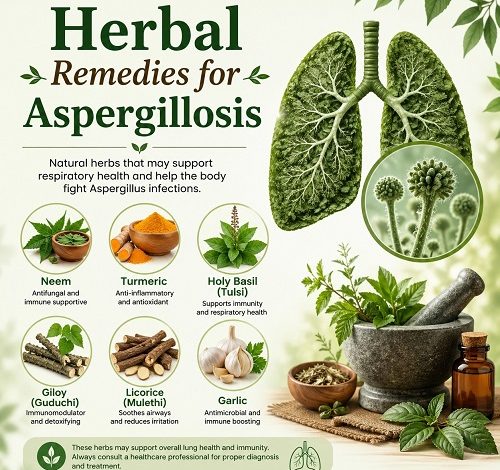
Aspergillosis is a respiratory condition caused by a type of fungus called Aspergillus, which is commonly found in the environment, especially in soil, dust, decaying organic matter, and indoor air systems. While most people breathe in Aspergillus spores daily without any harm, individuals with weakened immune systems or existing lung conditions may develop infections that range from mild allergic reactions to severe invasive lung disease.
Medical treatment—especially antifungal medications prescribed by healthcare professionals—is essential for managing aspergillosis. However, many people also explore complementary approaches to support lung health and improve overall well-being during recovery.
This is where Herbal Remedies for Aspergillosis come into discussion as supportive natural options that may help strengthen immunity, reduce inflammation, and support respiratory function. Herbal Remedies for Aspergillosis, understand their potential role, and discuss how Natural Remedies for Aspergillosis can complement medical treatment safely.
Understanding Aspergillosis
Before exploring herbal support, it is important to understand the condition itself.
Aspergillosis is not a single disease but a group of conditions caused by Aspergillus fungi. It can affect different parts of the body, but it most commonly targets the lungs.
Types of Aspergillosis
- Allergic Bronchopulmonary Aspergillosis (ABPA)
Occurs mainly in people with asthma or cystic fibrosis. It causes allergic reactions in the lungs. - Chronic Pulmonary Aspergillosis (CPA)
A long-term infection that slowly damages lung tissue. - Invasive Aspergillosis
The most severe form, usually affecting people with weakened immune systems, such as cancer patients or organ transplant recipients.
Common Symptoms
- Persistent cough
- Shortness of breath
- Wheezing
- Chest pain
- Fatigue
- Fever (in severe cases)
- Coughing up blood (in advanced cases)
Because aspergillosis can become serious quickly, medical supervision is essential. Herbal approaches should only be considered as supportive care.
Role of Herbal Remedies for Aspergillosis
The concept of Herbal Remedies for Aspergillosis does not mean curing the infection with plants alone. Instead, it focuses on:
- Supporting lung function
- Strengthening immune response
- Reducing inflammation in airways
- Improving recovery and vitality
- Supporting overall respiratory health
Many herbs have been traditionally used in respiratory conditions due to their antimicrobial, antioxidant, and anti-inflammatory properties.
However, it is important to emphasize that herbal remedies cannot replace antifungal medications prescribed by doctors.
Natural Remedies for Aspergillosis: A Complementary Approach
When discussing Natural Remedies for Aspergillosis, we refer to lifestyle and plant-based strategies that support healing alongside medical treatment.
These include:
- Herbal teas and extracts
- Steam inhalation with natural oils
- Nutrient-rich diet
- Breathing exercises
- Immune-boosting herbs
Let’s explore the most commonly used herbal options.
1. Garlic (Allium sativum)
Garlic is one of the most widely studied natural immune-supporting foods.
Benefits:
- Contains allicin, a compound with antifungal and antibacterial properties
- Supports immune system function
- Helps reduce inflammation in respiratory pathways
How it may help in aspergillosis support:
Garlic may assist the body in fighting infections indirectly by strengthening immune defenses.
How to use:
- Raw garlic (1–2 cloves daily if tolerated)
- Garlic tea
- Garlic added to meals
2. Turmeric (Curcuma longa)
Turmeric is a powerful anti-inflammatory herb widely used in traditional medicine.
Key compound:
- Curcumin
Benefits:
- Reduces inflammation in lungs
- Supports immune modulation
- Acts as an antioxidant
Usage:
- Turmeric milk (golden milk)
- Capsules (under guidance)
- Added to food
Turmeric is commonly included in Herbal Remedies for Aspergillosis because inflammation plays a major role in lung damage.
3. Ginger (Zingiber officinale)
Ginger is known for its warming and soothing effects on the respiratory system.
Benefits:
- Helps clear mucus from lungs
- Reduces throat irritation
- Supports circulation
- Has mild antimicrobial effects
Usage:
- Ginger tea
- Fresh ginger in food
- Ginger and honey mixture
4. Licorice Root (Glycyrrhiza glabra)
Licorice root has been used for centuries in respiratory conditions.
Benefits:
- Soothes irritated airways
- Helps reduce coughing
- Supports adrenal and immune health
- Acts as a natural expectorant
Note:
Long-term or high-dose use should be avoided in people with high blood pressure.
5. Oregano (Origanum vulgare)
Oregano contains natural compounds like carvacrol and thymol.
Benefits:
- Antifungal and antibacterial properties
- Supports lung cleansing
- Helps reduce respiratory infections
Usage:
- Oregano oil (diluted properly)
- Herbal tea
Oregano is often included in discussions about Natural Remedies for Aspergillosis due to its strong antimicrobial potential.
6. Thyme (Thymus vulgaris)
Thyme is another powerful respiratory herb.
Benefits:
- Helps loosen mucus
- Supports bronchial health
- Contains natural antiseptic compounds
Usage:
- Thyme tea
- Steam inhalation with thyme oil
7. Green Tea (Camellia sinensis)
Green tea is rich in antioxidants called catechins.
Benefits:
- Reduces oxidative stress
- Supports immune defense
- May help reduce inflammation in lungs
Usage:
- 1–3 cups daily
8. Eucalyptus (Eucalyptus globulus)
Eucalyptus is commonly used for respiratory relief.
Benefits:
- Opens airways
- Helps clear congestion
- Supports easier breathing
Usage:
- Steam inhalation
- Essential oil diffusion (not ingestion)
9. Mullein (Verbascum thapsus)
Mullein is a traditional lung-support herb.
Benefits:
- Soothes irritated respiratory tissues
- Helps remove mucus
- Supports lung detoxification
Usage:
- Mullein tea
- Herbal tinctures
10. Holy Basil (Tulsi)
Tulsi is considered a sacred herb in Ayurveda.
Benefits:
- Strengthens immune system
- Reduces stress (important for immune health)
- Supports respiratory function
Usage:
- Tulsi tea
- Fresh leaves in water
Lifestyle-Based Natural Support for Aspergillosis
Alongside Herbal Remedies for Aspergillosis, lifestyle plays a crucial role in recovery.
1. Air Quality Improvement
- Avoid mold exposure
- Use air purifiers
- Keep living areas dry and ventilated
2. Nutrition Support
- High-protein diet
- Fresh fruits and vegetables
- Vitamin C and zinc-rich foods
3. Hydration
- Helps thin mucus
- Supports detoxification
4. Breathing Exercises
- Improves lung capacity
- Helps oxygen exchange
Steam Therapy and Natural Inhalation
Steam therapy is a widely used supportive approach.
Benefits:
- Loosens mucus
- Soothes airways
- Improves breathing comfort
Additions:
- Eucalyptus oil
- Thyme leaves
- Menthol-based natural oils
Important Safety Considerations
While Herbal Remedies for Aspergillosis may provide supportive benefits, safety is extremely important.
Always remember:
- Herbal remedies do NOT replace antifungal medication
- Consult a healthcare provider before using herbs
- Some herbs may interact with medications
- Avoid self-treating severe infections
Especially in invasive aspergillosis, medical treatment is urgent and essential.
How Herbal Remedies Support Lung Health
The main role of Herbal Remedies for Aspergillosis is supportive, not curative.
They may help by:
- Reducing inflammation in lung tissues
- Supporting immune function
- Improving mucus clearance
- Enhancing overall respiratory comfort
- Reducing oxidative stress
Together, these effects may improve quality of life during recovery.
Integrating Natural and Medical Approaches
A balanced approach works best:
Medical Treatment:
- Antifungal medications
- Hospital care (if severe)
- Regular monitoring
Natural Support:
- Herbal teas
- Nutritional support
- Breathing exercises
- Steam therapy
This combined strategy ensures both infection control and immune support.
Conclusion
Herbal Remedies for Aspergillosis offer supportive benefits that may help strengthen the body, improve respiratory comfort, and enhance immune response. However, they should always be seen as complementary, not alternative, to medical treatment.
Natural Remedies for Aspergillosis, including herbs like garlic, turmeric, ginger, and eucalyptus, can play a role in supporting lung health and improving overall well-being when used responsibly.
Aspergillosis is a serious condition, and timely medical treatment is essential. Herbal and natural approaches should be used under guidance and as part of a broader health strategy focused on recovery, not replacement of medical care.