Best Herbal Remedies for Drug Allergy: Natural Ways to Calm Reactions Fast

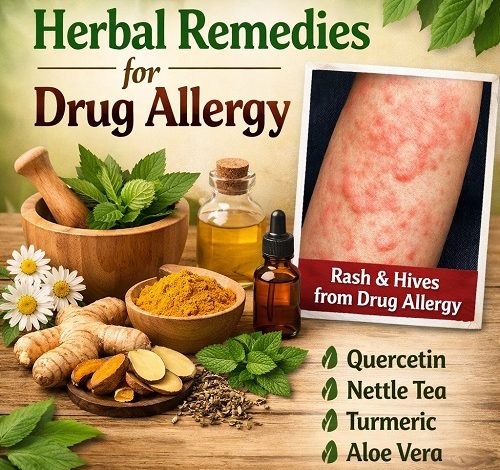
Drug allergies can be frightening, uncomfortable, and sometimes even life-threatening. Whether it’s a mild rash or a severe reaction, dealing with a medication allergy requires quick action and careful management. While conventional treatments like antihistamines and corticosteroids are often necessary, many people are increasingly turning toward Herbal Remedies for Drug Allergy to support their recovery naturally. The best Herbal Remedies for Drug Allergy, how they work, and how you can safely use them alongside conventional care. We’ll also discuss preventive strategies and lifestyle tips to help you reduce the risk of future reactions.
Understanding Drug Allergy
A drug allergy occurs when your immune system mistakenly identifies a medication as harmful and reacts against it. This is different from side effects or drug intolerance.
Common Symptoms
- Skin rash or hives
- Itching
- Swelling (especially face, lips, tongue)
- Difficulty breathing
- Nausea or vomiting
- Fever
- Severe cases: anaphylaxis (a medical emergency)
Common Triggers
- Antibiotics (like penicillin)
- Pain relievers (NSAIDs)
- Chemotherapy drugs
- Anticonvulsants
While stopping the offending drug is the first step, natural support through Natural Remedies for Drug Allergy can help ease symptoms and promote healing.
Why Choose Herbal Remedies?
Herbal solutions have been used for centuries to support the immune system and reduce inflammation. Many herbs contain powerful compounds that can:
- Calm allergic reactions
- Reduce inflammation
- Detoxify the body
- Boost immune balance
However, it’s important to use Herbal Remedies responsibly and consult a healthcare provider, especially in moderate to severe reactions.
Top Herbal Remedies for Drug Allergy
1. Turmeric (Curcuma longa)
Turmeric is one of the most powerful anti-inflammatory herbs available.
Benefits:
- Contains curcumin, a potent anti-inflammatory compound
- Reduces histamine release
- Supports immune regulation
How to Use:
- Mix 1 teaspoon turmeric powder in warm milk
- Take turmeric supplements (consult dosage with a doctor)
2. Neem (Azadirachta indica)
Neem is well-known for its detoxifying and anti-allergic properties.
Benefits:
- Purifies blood
- Reduces skin reactions like rashes and itching
- Fights inflammation
How to Use:
- Neem leaf juice (1–2 teaspoons daily)
- Neem capsules or powder
3. Ginger (Zingiber officinale)
Ginger is a natural anti-inflammatory and immune booster.
Benefits:
- Reduces nausea and inflammation
- Helps clear toxins from the body
- Supports respiratory health
How to Use:
- Drink ginger tea 2–3 times daily
- Add fresh ginger to meals
4. Licorice Root (Glycyrrhiza glabra)
Licorice root acts as a natural corticosteroid.
Benefits:
- Soothes inflammation
- Supports adrenal function
- Reduces allergic reactions
How to Use:
- Licorice tea or extract
- Avoid long-term use without supervision
5. Aloe Vera
Aloe vera is excellent for soothing skin-related allergic reactions.
Benefits:
- Reduces itching and redness
- Promotes skin healing
- Has anti-inflammatory effects
How to Use:
- Apply fresh aloe gel directly to affected skin
- Drink aloe juice (in moderation)
6. Holy Basil (Tulsi)
Tulsi is a powerful adaptogen and immune modulator.
Benefits:
- Reduces allergic responses
- Supports respiratory health
- Acts as a natural antihistamine
How to Use:
- Tulsi tea
- Fresh leaves chewed daily
7. Chamomile
Chamomile is known for its calming and anti-inflammatory effects.
Benefits:
- Reduces itching and irritation
- Helps relax the body
- Supports sleep during allergic discomfort
How to Use:
- Chamomile tea
- Topical application for skin irritation
8. Peppermint
Peppermint helps relieve respiratory symptoms and inflammation.
Benefits:
- Opens airways
- Reduces sinus congestion
- Provides cooling relief
How to Use:
- Peppermint tea
- Steam inhalation with peppermint oil
9. Echinacea
Echinacea strengthens the immune system.
Benefits:
- Helps regulate immune response
- Reduces severity of allergic reactions
- Speeds recovery
How to Use:
- Capsules or tinctures
- Tea form
10. Green Tea
Green tea is rich in antioxidants and natural antihistamines.
Benefits:
- Contains quercetin (natural antihistamine)
- Reduces inflammation
- Supports detoxification
How to Use:
- Drink 2–3 cups daily
Natural Remedies for Drug Allergy: Additional Support
Beyond herbs, several natural approaches can enhance healing:
1. Hydration
Drink plenty of water to flush toxins out of your system.
2. Vitamin C
A natural antihistamine that helps reduce allergic reactions.
3. Probiotics
Support gut health and improve immune function.
4. Oatmeal Baths
Relieve itching and soothe irritated skin.
5. Cold Compress
Reduces swelling and discomfort quickly.
How Herbal Remedies Work in Drug Allergy
Herbal Remedies for Drug Allergy primarily work through:
1. Anti-Inflammatory Action
Many herbs reduce inflammation caused by immune overreaction.
2. Antihistamine Effects
Certain herbs naturally block histamine release.
3. Detoxification
Herbs like neem and ginger help eliminate toxins.
4. Immune Modulation
Adaptogens like tulsi help balance immune responses.
Safety Tips When Using Herbal Remedies
While Natural Remedies for Drug Allergy are beneficial, safety is crucial.
Do’s:
- Always identify and stop the offending drug
- Start with small doses
- Consult a healthcare professional
- Use high-quality herbal products
Don’ts:
- Don’t rely solely on herbs in severe reactions
- Avoid mixing multiple herbs without guidance
- Don’t ignore worsening symptoms
When to Seek Medical Help
Herbal remedies are supportive—not a replacement for emergency care.
Seek immediate help if you experience:
- Difficulty breathing
- Swelling of throat or tongue
- Rapid heartbeat
- Severe dizziness
These may indicate anaphylaxis, which requires urgent treatment.
Preventing Future Drug Allergies
Prevention is always better than cure.
Tips:
- Inform doctors about past drug allergies
- Wear a medical alert bracelet
- Keep a record of medications
- Avoid self-medication
Lifestyle Tips to Support Recovery
1. Eat an Anti-Inflammatory Diet
Include:
- Fruits and vegetables
- Whole grains
- Healthy fats
Avoid:
- Processed foods
- Sugary snacks
- Artificial additives
2. Manage Stress
Stress weakens the immune system and worsens allergic responses.
3. Get Enough Sleep
Sleep is essential for healing and immune balance.
4. Exercise Regularly
Improves circulation and detoxification.
Combining Herbal and Conventional Treatment
The best approach is often integrative.
Example Plan:
- Antihistamines for immediate relief
- Herbal teas for ongoing support
- Topical herbs for skin symptoms
Always consult a healthcare provider before combining treatments.
Frequently Asked Questions
Are herbal remedies safe for drug allergies?
Yes, for mild cases—but always consult a doctor, especially for severe reactions.
How fast do herbal remedies work?
Some provide quick relief (like aloe vera), while others take time (like immune modulators).
Can herbal remedies prevent drug allergies?
They may help strengthen the immune system but cannot guarantee prevention.
Final Thoughts
Dealing with a drug allergy can be overwhelming, but incorporating Herbal Remedies for Drug Allergy into your recovery plan can provide gentle, effective support. From turmeric and neem to tulsi and chamomile, these natural solutions help calm inflammation, reduce symptoms, and promote healing.
However, it’s important to remember that Natural Remedies for Drug Allergy should complement—not replace—medical treatment. Always prioritize safety, listen to your body, and seek professional guidance when needed.
By combining the wisdom of Herbal Remedies with modern medicine, you can manage drug allergies more effectively and regain control of your health naturally.