
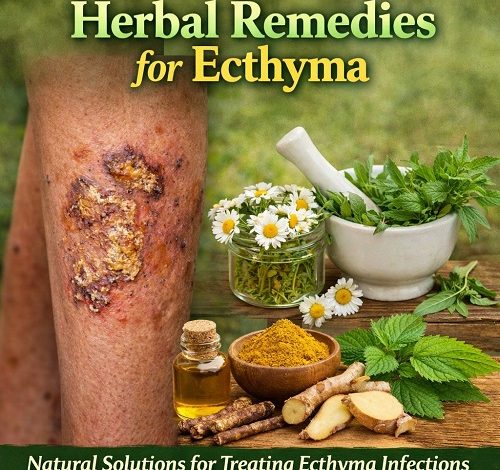
Skin infections can be both uncomfortable and distressing, especially when they become persistent or severe. One such condition is ecthyma—a deeper form of impetigo that penetrates into the dermis and often leaves scars if not treated properly. While conventional treatments like antibiotics are commonly prescribed, many people are now turning to Herbal Remedies for Ecthyma as a natural and holistic way to promote healing, reduce inflammation, and prevent recurrence.
The best Natural Remedies for Ecthyma, how they work, and how you can safely incorporate them into your skincare routine.
What Is Ecthyma?
Ecthyma is a bacterial skin infection typically caused by Streptococcus or Staphylococcus bacteria. It begins as a small blister or pustule and gradually develops into a deep ulcer with a thick crust. Unlike superficial infections, ecthyma affects deeper layers of the skin and may result in scarring.
Common Symptoms:
- Painful sores with crust formation
- Redness and swelling
- Ulcers that penetrate deeper skin layers
- Possible scarring after healing
- Itching or discomfort
Causes and Risk Factors:
- Poor hygiene
- Weakened immune system
- Diabetes
- Minor skin injuries (cuts, insect bites)
- Living in warm, humid environments
Why Choose Herbal Remedies for Ecthyma?
Herbal Remedies offer a gentle, natural alternative to synthetic medications. They are often rich in antimicrobial, anti-inflammatory, and wound-healing properties that help fight infection while promoting skin regeneration.
Benefits:
- Fewer side effects
- Supports natural healing
- Easily accessible
- Cost-effective
- Can be used alongside medical treatments
Top Herbal Remedies for Ecthyma
1. Neem (Azadirachta indica)
Neem is widely known for its powerful antibacterial and antifungal properties, making it one of the most effective Herbal Remedies for Ecthyma.
How to Use:
- Boil neem leaves in water and use it to wash affected areas
- Apply neem oil diluted with a carrier oil
Benefits:
- Fights infection-causing bacteria
- Reduces inflammation
- Promotes faster healing
2. Turmeric (Curcuma longa)
Turmeric contains curcumin, a potent anti-inflammatory and antimicrobial compound.
How to Use:
- Mix turmeric powder with water or honey to form a paste
- Apply directly to the sores
Benefits:
- Reduces redness and swelling
- Speeds up wound healing
- Prevents bacterial growth
3. Aloe Vera
Aloe vera is soothing and helps repair damaged skin.
How to Use:
- Apply fresh aloe vera gel directly to the affected area
Benefits:
- Hydrates and soothes irritated skin
- Reduces inflammation
- Supports tissue regeneration
4. Tea Tree Oil
Tea tree oil is a well-known natural antiseptic.
How to Use:
- Dilute a few drops in coconut oil and apply with a cotton swab
Benefits:
- Kills bacteria
- Prevents infection spread
- Reduces itching and irritation
5. Garlic (Allium sativum)
Garlic has strong antimicrobial properties due to allicin.
How to Use:
- Crush garlic and mix with olive oil
- Apply gently to affected areas
Benefits:
- Fights infection
- Boosts immune response
- Helps clear bacterial growth
6. Calendula
Calendula is known for its healing and anti-inflammatory effects.
How to Use:
- Apply calendula cream or ointment
- Use calendula-infused oil
Benefits:
- Promotes wound healing
- Reduces swelling
- Prevents infection
7. Honey
Raw honey, especially Manuka honey, has natural antibacterial properties.
How to Use:
- Apply a thin layer to the sores and cover with a bandage
Benefits:
- Keeps wounds moist
- Speeds healing
- Prevents bacterial growth
8. Coconut Oil
Coconut oil contains lauric acid, which has antimicrobial effects.
How to Use:
- Apply directly to the affected skin
Benefits:
- Moisturizes skin
- Reduces inflammation
- Helps prevent infection
9. Echinacea
Echinacea is commonly used to boost immunity.
How to Use:
- Take as a supplement or herbal tea
Benefits:
- Strengthens immune system
- Helps body fight infection
- Speeds recovery
10. Witch Hazel
Witch hazel is a natural astringent that helps cleanse wounds.
How to Use:
- Apply with a cotton pad to affected areas
Benefits:
- Reduces swelling
- Cleanses wounds
- Promotes healing
How to Use Herbal Remedies Safely
While Natural Remedies for Ecthyma are generally safe, it’s important to use them correctly:
- Always perform a patch test before applying any remedy
- Keep the affected area clean and dry
- Avoid mixing too many remedies at once
- Use clean tools and hands to prevent further infection
- Consult a healthcare provider if symptoms worsen
Lifestyle Tips to Support Healing
In addition to using Herbal Remedies for Ecthyma, adopting healthy habits can significantly improve recovery.
1. Maintain Proper Hygiene
- Wash affected areas regularly
- Use mild, antibacterial soap
2. Eat a Nutrient-Rich Diet
- Include fruits, vegetables, and whole grains
- Boost intake of vitamins A, C, and E
3. Stay Hydrated
- Drink plenty of water to support skin health
4. Avoid Scratching
- Scratching can worsen infection and cause scarring
5. Boost Immunity
- Get enough sleep
- Manage stress effectively
When to See a Doctor
Although Herbal Remedies can be effective, medical attention is necessary in certain cases:
- Severe or spreading infection
- High fever
- No improvement after a few days
- Deep or painful ulcers
- Signs of complications
A healthcare professional may prescribe antibiotics or other treatments to prevent serious complications.
Combining Herbal and Conventional Treatments
For best results, you can combine Herbal Remedies for Ecthyma with medical treatments. Herbal remedies can:
- Enhance healing
- Reduce side effects of medications
- Support overall skin health
However, always consult your doctor before combining treatments.
Prevention of Ecthyma
Prevention is always better than cure. Here are some tips:
- Keep skin clean and moisturized
- Treat minor cuts and wounds promptly
- Avoid sharing personal items like towels
- Maintain strong immunity
- Wear protective clothing when needed
Final Thoughts
Ecthyma can be a challenging skin condition, but with the right approach, it is manageable. Herbal Remedies for Ecthyma provide a natural, effective, and gentle way to support healing and reduce discomfort. From neem and turmeric to aloe vera and honey, these remedies harness the power of nature to fight infection and restore skin health.
By combining these Natural Remedies for Ecthyma with proper hygiene, a healthy lifestyle, and medical guidance when needed, you can accelerate recovery and prevent future outbreaks.