
Hiccups are a common yet often frustrating condition that can strike at the most inconvenient times. While occasional hiccups are harmless, persistent ones can disrupt daily life, sleep, and even eating habits. Fortunately, nature provides a wide range of effective solutions. 15 powerful Herbal Remedies for Hiccups that can help you find fast and lasting relief. The best Natural Remedies for Hiccups, explaining how they work, how to use them, and why herbal approaches are often safer and gentler than synthetic alternatives.
What Causes Hiccups?
Before diving into the remedies, it’s important to understand what causes hiccups. Hiccups occur due to involuntary contractions of the diaphragm—a muscle that helps control breathing. These contractions are followed by the sudden closure of the vocal cords, producing the characteristic “hic” sound.
Common triggers include:
- Eating too quickly
- Spicy or hot foods
- Carbonated drinks
- Sudden temperature changes
- Stress or excitement
- Alcohol consumption
Persistent hiccups (lasting more than 48 hours) may require medical attention, but most cases can be treated effectively with Herbal Remedies.
Why Choose Herbal Remedies for Hiccups?
Herbal solutions have been used for centuries in traditional medicine systems such as Ayurveda and Traditional Chinese Medicine. They offer several advantages:
- Natural and chemical-free
- Fewer side effects
- Easy to prepare at home
- Promote overall digestive health
15 Powerful Herbal Remedies for Hiccups
Now, let’s explore the most effective Herbal Remedies for Hiccups.
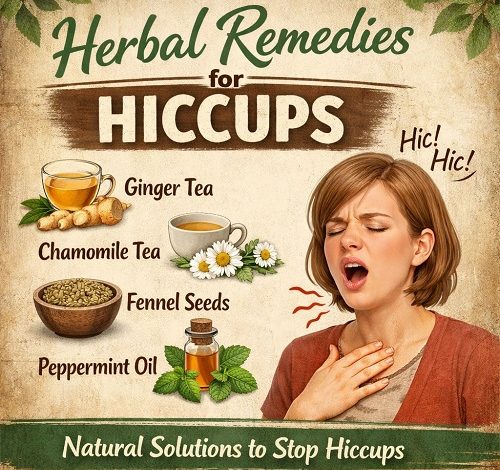
1. Ginger (Zingiber officinale)
Why it works:
Ginger is a powerful anti-inflammatory and digestive aid. It helps relax the diaphragm and soothe the nerves responsible for hiccups.
How to use:
- Chew a small slice of fresh ginger
- Drink ginger tea (boil slices in water for 5–10 minutes)
Benefits:
- Instant relief
- Improves digestion
- Reduces nausea
2. Peppermint
Why it works:
Peppermint relaxes the muscles of the digestive tract and diaphragm, helping to stop spasms.
How to use:
- Sip peppermint tea
- Add a few drops of peppermint oil to warm water
Benefits:
- Calms nerves
- Reduces bloating
- Refreshing taste
3. Chamomile
Why it works:
Chamomile is known for its calming and antispasmodic properties, making it ideal for hiccups caused by stress.
How to use:
- Drink chamomile tea 2–3 times a day
Benefits:
- Relieves stress-induced hiccups
- Promotes relaxation
- Improves sleep
4. Fennel Seeds
Why it works:
Fennel seeds help relax the gastrointestinal muscles and improve digestion.
How to use:
- Chew 1 teaspoon of fennel seeds
- Prepare fennel tea
Benefits:
- Reduces gas
- Prevents hiccups after meals
5. Cardamom
Why it works:
Cardamom has soothing and muscle-relaxing properties that help calm diaphragm spasms.
How to use:
- Boil crushed cardamom pods in water and drink
Benefits:
- Aids digestion
- Freshens breath
6. Clove
Why it works:
Cloves stimulate the nervous system and help control involuntary muscle contractions.
How to use:
- Suck on a clove
- Add to herbal tea
Benefits:
- Quick relief
- Antibacterial properties
7. Lemon
Why it works:
The sour taste of lemon stimulates the vagus nerve, helping to stop hiccups.
How to use:
- Suck on a lemon wedge
- Mix lemon juice with honey
Benefits:
- Boosts immunity
- Refreshing and effective
8. Honey
Why it works:
Honey coats the throat and influences nerve signals that control hiccups.
How to use:
- Take 1 teaspoon slowly
- Mix with warm water or herbal tea
Benefits:
- Soothes throat
- Natural energy booster
9. Apple Cider Vinegar
Why it works:
Its strong taste helps reset nerve impulses responsible for hiccups.
How to use:
- Mix 1 teaspoon in a glass of water
Benefits:
- Supports digestion
- Detoxifying
10. Dill Seeds
Why it works:
Dill seeds act as a natural antispasmodic, helping to relax the diaphragm.
How to use:
- Chew a pinch of dill seeds
Benefits:
- Reduces bloating
- Prevents recurrence
11. Asafoetida (Hing)
Why it works:
Asafoetida is known for its powerful digestive and antispasmodic properties.
How to use:
- Mix a pinch with warm water and drink
Benefits:
- Relieves gas
- Improves gut health
12. Basil Leaves (Tulsi)
Why it works:
Basil Leaves has calming effects on the nervous system and helps control muscle spasms.
How to use:
- Chew fresh basil leaves
- Brew basil tea
Benefits:
- Reduces stress
- Boosts immunity
13. Cinnamon
Why it works:
Cinnamon helps regulate digestion and calm the diaphragm.
How to use:
- Add cinnamon to tea
- Drink cinnamon-infused water
Benefits:
- Anti-inflammatory
- Supports metabolism
14. Licorice Root
Why it works:
Licorice Root soothes the throat and reduces irritation that may trigger hiccups.
How to use:
- Drink licorice tea
Benefits:
- Supports respiratory health
- Anti-inflammatory
15. Lavender
Why it works:
Lavender reduces anxiety and stress, which are common triggers of hiccups.
How to use:
- Drink lavender tea
- Use lavender essential oil for aromatherapy
Benefits:
- Promotes relaxation
- Improves mood
Additional Natural Remedies for Hiccups
Alongside herbal solutions, several simple techniques can complement your treatment:
1. Breath Control
Holding your breath or breathing into a paper bag increases carbon dioxide levels, helping stop hiccups.
2. Drinking Cold Water
Sipping cold water slowly can interrupt the hiccup reflex.
3. Swallowing Sugar
A teaspoon of sugar may stimulate the vagus nerve.
These methods, combined with Natural Remedies for Hiccups, can provide faster results.
Tips to Prevent Hiccups Naturally
Prevention is always better than cure. Here are some practical tips:
- Eat slowly and mindfully
- Avoid overeating
- Limit carbonated beverages
- Reduce stress through meditation or yoga
- Stay hydrated
When to See a Doctor
While most hiccups are harmless, consult a healthcare professional if:
- They last more than 48 hours
- They interfere with eating or sleeping
- They are accompanied by pain or vomiting
Persistent hiccups may indicate an underlying condition that needs medical attention.
Final Thoughts
Hiccups may seem minor, but they can be incredibly annoying when they persist. The good news is that Herbal Remedies for Hiccups offer safe, natural, and effective solutions that can bring quick relief without side effects.
From ginger and peppermint to basil and lavender, these time-tested remedies not only stop hiccups but also improve overall digestive and nervous system health. By incorporating these Natural Remedies for Hiccups into your routine, you can manage and even prevent hiccups naturally.
If you’re looking for a holistic approach, these Herbal Remedies are a powerful way to restore balance and comfort—naturally and effectively.