
Oral health plays a vital role in overall well-being, yet many people experience conditions that affect the mouth and gums. One such condition is leukoplakia, which appears as thick white patches on the tongue, gums, or inner cheeks. While it is often harmless, in some cases it may develop into a more serious condition if left untreated. Because of this, many individuals are searching for safe and effective Herbal Remedies for Leukoplakia that support natural healing and oral health.
Natural treatments have been used for centuries to soothe inflammation, fight infections, and strengthen oral tissues. These Natural Remedies for Leukoplakia may help improve symptoms while promoting a healthier oral environment. The causes, symptoms, and the most effective Herbal Remedies that may help manage leukoplakia naturally.
Understanding Leukoplakia
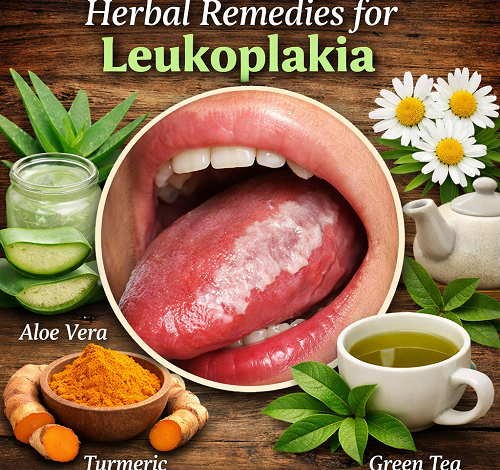
Leukoplakia is a condition characterized by white or grayish patches that develop inside the mouth. These patches often appear on the tongue, gums, inner cheeks, or the floor of the mouth. Unlike common mouth ulcers, these patches cannot be easily scraped off.
Leukoplakia is commonly associated with irritation or long-term damage to oral tissues. It is frequently seen in individuals who smoke tobacco, chew betel nut, or consume alcohol regularly. While most cases are harmless, some forms may carry a risk of developing into oral cancer, which is why proper monitoring and care are essential.
Common Causes of Leukoplakia
Understanding the root causes of leukoplakia can help individuals take preventive steps and choose the most appropriate Herbal Remedies for Leukoplakia.
1. Tobacco Use
Smoking cigarettes, cigars, or chewing tobacco is the most common cause of leukoplakia. The chemicals in tobacco irritate oral tissues and cause abnormal cell growth.
2. Alcohol Consumption
Excessive alcohol consumption can weaken the oral lining and make it more susceptible to damage and infection.
3. Chronic Irritation
Rough teeth, poorly fitting dentures, or dental appliances may irritate the inside of the mouth and trigger leukoplakia.
4. Poor Oral Hygiene
A lack of proper oral hygiene can allow bacteria and fungi to grow, increasing the risk of oral lesions.
5. Nutritional Deficiencies
Deficiencies in vitamins such as vitamin A, B-complex, and iron may contribute to poor oral health and increase the risk of leukoplakia.
Symptoms of Leukoplakia
The symptoms of leukoplakia may vary depending on the severity of the condition. Some people may not experience discomfort, while others may notice visible changes in their mouth.
Common symptoms include:
- Thick white or gray patches inside the mouth
- Patches that cannot be scraped off
- Rough or raised lesions on the tongue or cheeks
- Mild irritation or sensitivity
- Occasionally red patches (erythroplakia) which may require medical attention
If these patches persist for more than two weeks, it is advisable to seek professional evaluation.
Top Herbal Remedies for Leukoplakia
Many people prefer Natural Remedies for Leukoplakia because they support healing without harsh chemicals. Herbal treatments often contain anti-inflammatory, antibacterial, and antioxidant properties that may help restore oral health.
Below are some of the most effective Herbal Remedies for Leukoplakia.
1. Turmeric
Turmeric is widely known for its powerful anti-inflammatory and antimicrobial properties. The active compound curcumin helps fight infections and reduce inflammation in oral tissues.
How It Helps
Turmeric may help reduce irritation, support tissue healing, and prevent bacterial growth in the mouth.
How to Use
Mix turmeric powder with a small amount of warm water or honey to form a paste. Apply gently to the affected area for several minutes before rinsing. This can be done once daily.
2. Aloe Vera
Aloe vera is one of the most soothing Herbal Remedies for Leukoplakia. It contains compounds that support wound healing and reduce inflammation.
Benefits
- Promotes tissue regeneration
- Reduces irritation and burning sensation
- Supports overall oral health
How to Use
Apply fresh aloe vera gel directly to the affected area inside the mouth. Leave it for a few minutes and then rinse with water.
3. Green Tea
Green tea is rich in antioxidants called polyphenols, which may help protect oral tissues from damage and support natural healing.
Why It Works
Green tea has anti-inflammatory and antimicrobial effects that may help reduce the risk of oral lesions.
How to Use
Drink two to three cups of green tea daily or use cooled green tea as a mouth rinse.
4. Holy Basil (Tulsi)
Holy basil is an ancient medicinal herb known for its antibacterial and healing properties. It has been widely used in traditional medicine to treat oral infections.
Benefits for Leukoplakia
- Helps fight harmful bacteria
- Supports immune function
- Promotes oral tissue healing
How to Use
Chew a few fresh basil leaves daily or rinse the mouth with basil leaf tea.
5. Neem
Neem is one of the most powerful Natural Remedies for Leukoplakia due to its antibacterial and antifungal properties.
Why Neem Is Effective
Neem helps reduce bacterial growth in the mouth and may support healthy oral tissues.
How to Use
Neem leaves can be boiled in water and used as a natural mouth rinse once daily.
6. Licorice Root
Licorice root has anti-inflammatory compounds that may help soothe irritated oral tissues and promote healing.
Potential Benefits
- Reduces inflammation
- Supports tissue repair
- Helps maintain oral hygiene
How to Use
Licorice root tea can be used as a mouth rinse or consumed in moderation.
7. Coconut Oil (Oil Pulling)
Oil pulling is an ancient Ayurvedic practice that involves swishing oil in the mouth to remove toxins and bacteria.
Benefits
- Helps reduce harmful bacteria
- Improves oral hygiene
- Supports gum and tissue health
How to Use
Swish one tablespoon of coconut oil in your mouth for 10–15 minutes and then spit it out. Rinse with warm water afterward.
8. Garlic
Garlic is a natural antimicrobial herb that may help fight infections and support immune function.
Why It Helps
Garlic contains allicin, a compound known for its antibacterial and antiviral effects.
How to Use
Adding fresh garlic to your daily diet may support overall health and strengthen the immune system.
9. Chamomile
Chamomile is a gentle herb known for its soothing and anti-inflammatory properties. It may help reduce irritation and discomfort caused by leukoplakia.
Benefits
- Reduces inflammation
- Soothes oral tissues
- Supports healing
How to Use
Chamomile tea can be used as a warm mouth rinse or consumed as a relaxing herbal drink.
10. Sage
Sage has long been used as a natural remedy for oral health conditions. It contains compounds that help fight bacteria and reduce inflammation.
Benefits
- Improves oral hygiene
- Reduces bacterial growth
- Supports tissue healing
How to Use
Prepare sage tea and use it as a mouth rinse once or twice daily.
Lifestyle Tips to Support Leukoplakia Treatment
In addition to using Herbal Remedies for Leukoplakia, certain lifestyle changes can greatly improve oral health and reduce the risk of worsening symptoms.
Quit Tobacco
Stopping smoking or chewing tobacco is the most important step in preventing and managing leukoplakia.
Limit Alcohol Consumption
Reducing alcohol intake may help protect oral tissues from irritation.
Maintain Good Oral Hygiene
Brush and floss regularly to keep the mouth clean and reduce bacterial growth.
Eat a Nutrient-Rich Diet
A balanced diet rich in fruits, vegetables, and whole foods supports immune function and tissue repair.
Stay Hydrated
Drinking plenty of water helps keep oral tissues healthy and prevents dryness.
When to Seek Medical Advice
Although many Natural Remedies for Leukoplakia may support oral health, it is important to consult a healthcare professional if:
- White patches persist longer than two weeks
- Lesions become painful or grow larger
- Red patches appear alongside white patches
- Difficulty swallowing or speaking develops
Early diagnosis can help prevent complications and ensure proper treatment.
Final Thoughts
Leukoplakia is a condition that should never be ignored, but the good news is that natural approaches can support oral health and promote healing. Many Herbal Remedies for Leukoplakia, such as turmeric, aloe vera, neem, and green tea, contain powerful compounds that help fight inflammation, reduce bacterial growth, and protect oral tissues.
Combining these Natural Remedies for Leukoplakia with healthy lifestyle habits and proper oral hygiene may significantly improve oral health and reduce irritation. While herbal treatments can provide supportive care, regular dental checkups remain essential for monitoring the condition.