Herbal Remedies for Bartonellosis: Natural Ways to Support Faster Recovery

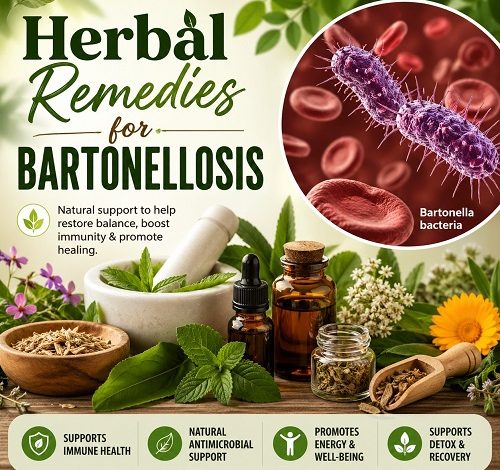
Bartonellosis is a bacterial infection caused by Bartonella species, commonly transmitted through insect bites such as fleas, ticks, lice, and sandflies. It is often associated with conditions like cat scratch disease, trench fever, and Carrion’s disease. While conventional antibiotic treatment is typically required in moderate to severe cases, many people are turning toward Herbal Remedies for Bartonellosis to support recovery, boost immunity, and reduce symptoms naturally. Natural Remedies for Bartonellosis, how they work, and how you can incorporate them safely into your wellness routine.
Understanding Bartonellosis
Bartonellosis can manifest in a variety of symptoms, depending on the strain and the individual’s immune response. Common symptoms include:
- Persistent fatigue
- Fever and chills
- Headaches
- Muscle and joint pain
- Swollen lymph nodes
- Skin rashes or lesions
- Neurological symptoms (in chronic cases)
Because symptoms often mimic other illnesses like Lyme disease, Bartonellosis can sometimes go undiagnosed or misdiagnosed.
Why Consider Herbal Remedies for Bartonellosis?
While antibiotics target the bacteria directly, Herbal Remedies can play a supportive role by:
- Strengthening the immune system
- Reducing inflammation
- Supporting detoxification
- Improving circulation
- Helping the body fight infections naturally
These remedies are especially beneficial for individuals seeking holistic approaches or complementary therapies alongside conventional treatment.
Top Herbal Remedies for Bartonellosis
1. Japanese Knotweed (Polygonum cuspidatum)
Japanese knotweed is one of the most widely recommended herbs for Bartonella and Lyme-related infections.
Benefits:
- Strong anti-inflammatory properties
- Rich in resveratrol, which supports immune health
- Helps protect blood vessels affected by infection
How to Use:
- Available as capsules, tinctures, or teas
- Typical dosage: Follow product guidelines or consult a herbalist
2. Cat’s Claw (Uncaria tomentosa)
Cat’s claw is a powerful immune-boosting herb used in traditional medicine for centuries.
Benefits:
- Enhances white blood cell activity
- Helps reduce bacterial load
- Supports joint health
Usage Tips:
- Best taken as a tincture or capsule
- Start with low doses to avoid detox reactions
3. Sida Acuta
Sida acuta is highly valued in herbal protocols for Bartonellosis.
Benefits:
- Antimicrobial properties
- Supports red blood cell health
- May reduce neurological symptoms
Note:
This herb is potent and should be used under guidance, especially for long-term use.
4. Houttuynia Cordata
This herb is known for its effectiveness against bacterial and viral infections.
Benefits:
- Strong antibacterial action
- Helps reduce inflammation
- Supports respiratory health
How to Use:
- Commonly taken as tea or extract
- May have a strong taste, so capsules are preferred by some
5. Garlic (Allium sativum)
Garlic is a natural antibiotic and immune booster.
Benefits:
- Contains allicin, which fights bacteria
- Supports detoxification
- Improves circulation
Usage:
- Raw garlic is most effective
- Can also be taken as Herbal Supplements
6. Turmeric (Curcuma longa)
Turmeric is widely used for its anti-inflammatory and antioxidant properties.
Benefits:
- Reduces inflammation caused by infection
- Supports liver detoxification
- Enhances immune response
Tip:
Combine with black pepper to improve absorption.
7. Neem (Azadirachta indica)
Neem is a powerful herb known for its antimicrobial and blood-purifying properties.
Benefits:
- Helps cleanse the bloodstream
- Supports skin healing
- Reduces bacterial activity
8. Ashwagandha (Withania somnifera)
Ashwagandha is an adaptogen that helps the body cope with stress and illness.
Benefits:
- Boosts immunity
- Reduces fatigue
- Supports nervous system health
9. Echinacea
Echinacea is a popular herb for immune support.
Benefits:
- Enhances immune defense
- Helps the body fight infections
- Reduces duration of illness
10. Milk Thistle (Silybum marianum)
Milk thistle supports liver health, which is essential during infection recovery.
Benefits:
- Promotes detoxification
- Protects liver cells
- Helps eliminate toxins
How Herbal Remedies Support Recovery
1. Immune System Strengthening
Herbs like echinacea and cat’s claw stimulate immune activity, helping the body identify and fight harmful bacteria more effectively.
2. Anti-inflammatory Effects
Chronic inflammation is a major issue in Bartonellosis. Herbs like turmeric and Japanese knotweed reduce inflammation and relieve symptoms.
3. Detoxification Support
Infections can produce toxins that burden the liver and kidneys. Milk thistle and neem help cleanse the body and support organ function.
4. Antimicrobial Action
Certain herbs directly combat bacteria, helping to reduce bacterial load naturally.
Diet and Lifestyle Tips for Bartonellosis Recovery
In addition to Herbal Remedies for Bartonellosis, lifestyle changes can significantly enhance recovery:
1. Eat an Anti-Inflammatory Diet
Focus on:
- Fresh fruits and vegetables
- Whole grains
- Healthy fats like olive oil
- Lean proteins
Avoid:
- Processed foods
- Sugar
- Alcohol
2. Stay Hydrated
Drinking plenty of water helps flush toxins and supports overall health.
3. Get Enough Rest
Fatigue is common in Bartonellosis. Prioritize sleep and allow your body time to heal.
4. Gentle Exercise
Light activities like walking or yoga can improve circulation and reduce stiffness.
5. Stress Management
Chronic stress weakens the immune system. Try meditation, breathing exercises, or herbal teas.
Potential Side Effects and Precautions
While Natural Remedies for Bartonellosis are generally safe, they are not without risks.
- Some herbs may interact with medications
- High doses can cause digestive upset
- Detox reactions (Herxheimer reaction) may occur
Important:
Always consult a healthcare professional before starting any herbal regimen, especially if you are pregnant, nursing, or taking medications.
Combining Herbal and Conventional Treatments
Herbal remedies should not replace prescribed antibiotics in severe cases. Instead, they can be used as complementary therapies.
Benefits of combining approaches:
- Faster recovery
- Reduced side effects
- Improved overall health
A balanced treatment plan often yields the best results.
Herbal Protocol Example for Bartonellosis
Here is a simple herbal support plan:
Morning:
- Warm water with lemon
- Cat’s claw supplement
- Turmeric capsule
Afternoon:
- Japanese knotweed tincture
- Healthy meal rich in vegetables
Evening:
- Milk thistle supplement
- Ashwagandha for relaxation
Before Bed:
- Herbal tea (chamomile or ginger)
Signs of Improvement
With consistent use of Herbal Remedies for Bartonellosis, you may notice:
- Reduced fatigue
- Improved energy levels
- Decreased pain and inflammation
- Better sleep quality
- Stronger immune response
Recovery timelines vary depending on the severity of the infection and individual health conditions.
When to Seek Medical Help
Seek immediate medical attention if you experience:
- Persistent high fever
- Severe neurological symptoms
- Heart-related issues
- Worsening condition despite treatment
Herbal remedies are supportive, but medical supervision is crucial for serious infections.
Final Thoughts
Bartonellosis can be a challenging condition, but a holistic approach can make a significant difference. By incorporating Herbal Remedies for Bartonellosis into your routine, you can support your body’s natural healing processes, reduce symptoms, and improve overall well-being.
These Natural Remedies for Bartonellosis offer a gentle yet effective way to complement conventional treatments, especially when combined with a healthy lifestyle, proper nutrition, and stress management.
Remember, healing takes time, and consistency is key. Always work with a qualified healthcare provider to ensure safe and effective treatment.