Herbal Remedies for Atopic Dermatitis: Natural Care for Sensitive Skin

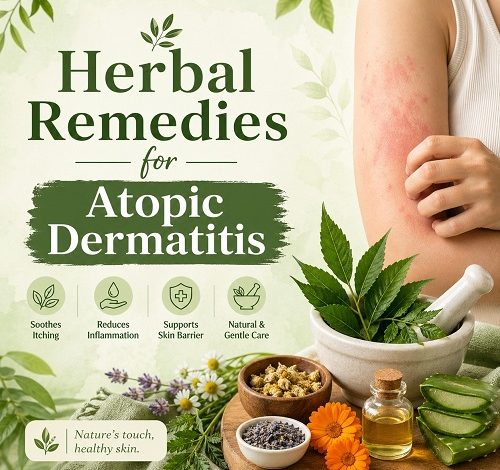
Atopic dermatitis, commonly known as eczema, is a chronic inflammatory skin condition that affects millions of people worldwide. Characterized by dry, itchy, and inflamed skin, Atopic Dermatitis can significantly impact quality of life. While conventional treatments such as corticosteroids and moisturizers are widely used, many individuals are now turning toward Herbal Remedies for Atopic Dermatitis as a safer, more natural alternative. The most effective Natural Remedies for Atopic Dermatitis, their benefits, and how you can incorporate them into your daily skincare routine for long-term relief.
Understanding Atopic Dermatitis
Atopic dermatitis is a multifactorial condition influenced by genetics, environmental triggers, immune system dysfunction, and skin barrier defects. It often begins in childhood but can persist into adulthood.
Common Symptoms
- Intense itching (especially at night)
- Dry, cracked skin
- Red or brownish-gray patches
- Thickened or scaly skin
- Oozing or crusting in severe cases
Common Triggers
- Allergens (dust mites, pollen)
- Harsh soaps and detergents
- Weather changes (cold or dry air)
- Stress
- Certain foods
Managing eczema effectively requires a holistic approach—and that’s where Herbal Remedies for Atopic Dermatitis come in.
Why Choose Herbal Remedies?
Herbal treatments have been used for centuries across various cultures. They offer several advantages:
- Fewer side effects compared to synthetic drugs
- Gentle on sensitive skin
- Anti-inflammatory and soothing properties
- Rich in natural antioxidants
- Support skin healing and repair
Unlike temporary relief from topical steroids, Natural Remedies for Atopic Dermatitis aim to address the root causes and restore skin health naturally.
Top Herbal Remedies for Atopic Dermatitis
1. Aloe Vera
Aloe vera is one of the most popular Herbal Remedies for skin conditions.
Benefits:
- Deeply hydrates the skin
- Reduces inflammation and redness
- Promotes healing of damaged skin
How to Use:
Apply fresh aloe vera gel directly to affected areas twice daily. Ensure it’s pure and free from additives.
2. Chamomile
Chamomile is known for its calming and anti-inflammatory properties.
Benefits:
- Soothes irritated skin
- Reduces itching
- Helps in skin repair
How to Use:
Brew chamomile tea, let it cool, and apply it as a compress to the affected areas.
3. Calendula
Calendula, derived from marigold flowers, is highly effective in skin healing.
Benefits:
- Antibacterial and antifungal properties
- Promotes wound healing
- Reduces inflammation
How to Use:
Use calendula cream or oil on dry, inflamed patches.
4. Turmeric
Turmeric contains curcumin, a powerful anti-inflammatory compound.
Benefits:
- Reduces redness and swelling
- Fights bacteria
- Supports skin healing
How to Use:
Mix turmeric powder with honey or coconut oil and apply as a paste.
5. Neem
Neem is widely used in traditional medicine for skin disorders.
Benefits:
- Antimicrobial properties
- Reduces itching and irritation
- Helps detoxify the skin
How to Use:
Use neem oil diluted with a carrier oil or bathe in neem-infused water.
6. Coconut Oil
Though technically not a herb, coconut oil is often included in natural treatments.
Benefits:
- Deep moisturization
- Antibacterial effects
- Strengthens skin barrier
How to Use:
Apply virgin coconut oil directly after bathing.
7. Licorice Root
Licorice root extract is known for its anti-inflammatory benefits.
Benefits:
- Reduces redness and irritation
- Calms sensitive skin
- Supports healing
How to Use:
Apply creams containing licorice extract.
8. Witch Hazel
Witch hazel is a natural astringent.
Benefits:
- Reduces inflammation
- Controls itching
- Tightens skin
How to Use:
Apply diluted witch hazel with a cotton pad.
9. Oatmeal (Colloidal Oatmeal)
Oatmeal is a time-tested remedy for eczema relief.
Benefits:
- Soothes itching
- Locks in moisture
- Reduces inflammation
How to Use:
Add colloidal oatmeal to a lukewarm bath and soak for 15–20 minutes.
10. Tea Tree Oil
Tea tree oil is known for its antimicrobial properties.
Benefits:
- Prevents infections
- Reduces inflammation
- Helps heal broken skin
How to Use:
Always dilute with a carrier oil before applying.
Internal Herbal Support
Topical treatments are effective, but internal remedies can enhance results.
Herbal Teas
- Chamomile tea
- Green tea
- Peppermint tea
These teas help reduce inflammation and support detoxification.
Herbal Supplements
- Turmeric capsules
- Evening primrose oil
- Omega-3 fatty acids
Always consult a healthcare professional before starting Herbal Supplements.
Lifestyle Tips to Enhance Herbal Treatment
Combining Herbal Remedies for Atopic Dermatitis with healthy habits can improve outcomes significantly.
1. Maintain Skin Hydration
Use natural moisturizers regularly to prevent dryness.
2. Avoid Triggers
Identify and eliminate irritants such as harsh soaps and allergens.
3. Wear Soft Fabrics
Choose cotton over synthetic materials to reduce irritation.
4. Manage Stress
Practice yoga, meditation, or breathing exercises.
5. Follow a Healthy Diet
Include anti-inflammatory foods such as:
- Fruits and vegetables
- Nuts and seeds
- Whole grains
Diet and Herbal Healing
Nutrition plays a vital role in managing eczema.
Foods to Include
- Leafy greens
- Fatty fish
- Probiotic-rich foods (yogurt, kefir)
Foods to Avoid
- Processed foods
- Sugary snacks
- Dairy (if sensitive)
A balanced diet supports the effectiveness of Natural Remedies for Atopic Dermatitis.
Precautions When Using Herbal Remedies
While herbal treatments are generally safe, keep these precautions in mind:
- Perform a patch test before using any new remedy
- Avoid overuse of essential oils
- Consult a doctor if symptoms worsen
- Be cautious with children and pregnant women
When to See a Doctor
Herbal remedies are effective for mild to moderate cases. However, seek medical attention if:
- Symptoms are severe
- Skin becomes infected
- No improvement after several weeks
- Sleep is disrupted due to itching
Combining conventional treatment with Herbal Remedies for Atopic Dermatitis can offer the best results.
Benefits of Long-Term Herbal Use
Consistent use of herbal remedies provides long-term benefits:
- Improved skin texture
- Reduced flare-ups
- Stronger skin barrier
- Better overall skin health
Unlike temporary fixes, herbal care promotes sustainable healing.
Creating Your Herbal Skincare Routine
Here’s a simple daily routine:
Morning
- Gentle cleansing
- Apply aloe vera gel
- Moisturize with coconut oil
Afternoon
- Reapply moisturizer
- Use herbal compress if needed
Evening
- Oatmeal bath (if required)
- Apply calendula or neem oil
- Drink herbal tea
Consistency is key to seeing results.
Scientific Perspective on Herbal Remedies
Modern research supports many herbal treatments:
- Aloe vera shows anti-inflammatory effects
- Turmeric reduces oxidative stress
- Oatmeal improves skin barrier function
These findings validate the effectiveness of Natural Remedies for Atopic Dermatitis.
Common Myths About Herbal Remedies
Myth 1: Herbal Means Instant Results
Reality: Herbal treatments take time but provide lasting benefits.
Myth 2: All Natural Products Are Safe
Reality: Some herbs can cause allergic reactions.
Myth 3: Herbal Remedies Replace Medical Care
Reality: They complement, not replace, professional treatment.
Final Thoughts
Managing eczema can be challenging, but incorporating Herbal Remedies for Atopic Dermatitis into your routine offers a gentle and effective path toward healthier skin. From soothing aloe vera to healing calendula and anti-inflammatory turmeric, nature provides a wide range of solutions for sensitive skin.
By combining these remedies with a healthy lifestyle, proper skincare, and awareness of triggers, you can significantly reduce symptoms and improve your quality of life.
If you’re seeking a holistic approach, Natural Remedies for Atopic Dermatitis are a powerful and time-tested option worth exploring.