Best Herbal Remedies for Cold Urticaria to Reduce Itching and Swelling

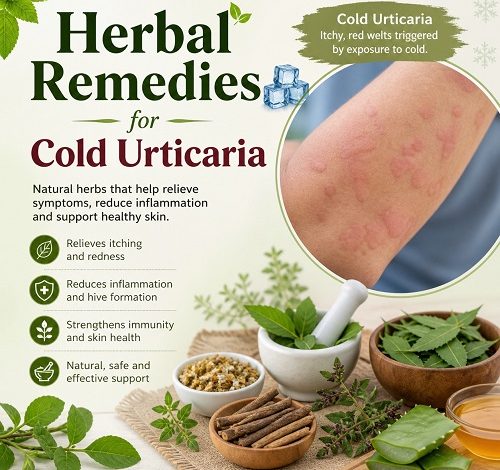
Cold urticaria is a challenging skin condition that can significantly affect daily life, especially in colder climates or during winter months. The sudden appearance of itchy welts, redness, and swelling after exposure to cold temperatures can be uncomfortable and sometimes even alarming. While conventional treatments such as antihistamines are commonly prescribed, many people are now turning towards Herbal Remedies for Cold Urticaria as a gentler, natural approach to managing symptoms. The causes, symptoms, and most effective Natural Remedies for Cold Urticaria, focusing on herbal solutions that can help reduce itching, inflammation, and discomfort.
Understanding Cold Urticaria
Cold urticaria is a type of physical urticaria triggered by exposure to cold air, water, or objects. When the skin reacts to cold stimuli, it releases histamine and other inflammatory substances, leading to:
- Red, raised welts (hives)
- Intense itching
- Swelling (angioedema)
- Burning or stinging sensation
In severe cases, it may even lead to systemic reactions such as dizziness or difficulty breathing, particularly when large areas of the body are exposed to cold water.
Common Causes and Triggers
Although the exact cause of cold urticaria is not always clear, several factors may contribute:
- Sudden exposure to cold temperatures
- Cold showers or swimming
- Handling cold objects
- Genetic predisposition
- Viral infections
- Autoimmune responses
Understanding your triggers is essential for managing the condition effectively.
Why Choose Herbal Remedies?
Many people prefer Herbal Remedies for Cold Urticaria because they:
- Have fewer side effects compared to synthetic medications
- Support the body’s natural healing processes
- Help reduce inflammation and allergic responses
- Are often easily available and cost-effective
That said, herbal treatments should be used consistently and with care, especially if you have sensitive skin or underlying health conditions.
Best Herbal Remedies for Cold Urticaria
1. Aloe Vera
Aloe vera is widely known for its soothing and anti-inflammatory properties.
Benefits:
- Reduces itching and redness
- Hydrates and cools the skin
- Promotes healing of irritated skin
How to Use:
Apply fresh aloe vera gel directly to affected areas 2–3 times daily. Leave it on for 20–30 minutes before rinsing.
2. Chamomile
Chamomile is a gentle herb with powerful anti-inflammatory and antihistamine properties.
Benefits:
- Calms irritated skin
- Reduces allergic reactions
- Soothes itching and swelling
How to Use:
- Brew chamomile tea and let it cool
- Use it as a compress on affected areas
- Alternatively, add it to bath water for full-body relief
3. Turmeric
Turmeric contains curcumin, a potent anti-inflammatory compound.
Benefits:
- Reduces inflammation
- Supports immune balance
- Helps control allergic reactions
How to Use:
- Mix turmeric powder with warm milk or water and consume daily
- Apply a turmeric paste (mixed with water or honey) to the skin
4. Neem
Neem is a powerful herb known for its antibacterial and anti-inflammatory effects.
Benefits:
- Reduces itching and swelling
- Detoxifies the skin
- Supports immune function
How to Use:
- Boil neem leaves in water and use it as a rinse
- Apply neem paste to affected areas
5. Witch Hazel
Witch hazel acts as a natural astringent and anti-inflammatory agent.
Benefits:
- Tightens skin and reduces swelling
- Relieves itching
- Minimises redness
How to Use:
Apply witch hazel extract to the affected area using a cotton pad.
6. Ginger
Ginger is known for its anti-inflammatory and circulation-boosting properties.
Benefits:
- Improves blood flow
- Reduces inflammatory response
- Helps prevent cold-induced reactions
How to Use:
- Drink ginger tea daily
- Add fresh ginger to meals
7. Licorice Root
Licorice root has natural corticosteroid-like effects.
Benefits:
- Reduces inflammation
- Supports adrenal health
- Helps regulate immune response
How to Use:
Consume licorice root tea or take it in supplement form (under guidance).
8. Oatmeal
Oatmeal is highly effective for soothing irritated skin.
Benefits:
- Relieves itching
- Moisturises dry skin
- Reduces inflammation
How to Use:
- Add colloidal oatmeal to a lukewarm bath
- Soak for 15–20 minutes
9. Peppermint
Peppermint contains menthol, which provides a cooling sensation.
Benefits:
- Reduces itching
- Soothes irritated skin
- Provides instant relief
How to Use:
Dilute peppermint oil with a carrier oil and apply gently to the skin.
10. Green Tea
Green tea is rich in antioxidants and anti-inflammatory compounds.
Benefits:
- Reduces allergic reactions
- Supports immune function
- Calms inflamed skin
How to Use:
- Drink 2–3 cups daily
- Apply cooled green tea bags to affected areas
Lifestyle Tips to Support Herbal Treatment
Using Natural Remedies for Cold Urticaria works best when combined with healthy lifestyle habits:
Avoid Sudden Temperature Changes
Gradually expose your skin to cooler temperatures rather than sudden exposure.
Wear Protective Clothing
Use gloves, scarves, and warm layers to protect your skin from cold air.
Take Lukewarm Showers
Avoid very cold or very hot water, as both can trigger symptoms.
Manage Stress
Stress can worsen allergic reactions. Consider relaxation techniques such as meditation or yoga.
Stay Hydrated
Proper hydration helps maintain healthy skin and reduces sensitivity.
Dietary Recommendations
Diet plays a crucial role in managing inflammation and allergic responses.
Foods to Include:
- Fresh fruits and vegetables
- Omega-3 rich foods (flaxseeds, walnuts)
- Herbal teas
- Whole grains
Foods to Avoid:
- Processed foods
- Excess sugar
- Artificial additives
- Alcohol and caffeine (in excess)
When to Seek Medical Advice
While Herbal Remedies for Cold Urticaria can be effective, it is important to consult a healthcare professional if:
- Symptoms are severe or worsening
- You experience difficulty breathing
- Swelling affects the throat or lips
- Home remedies do not provide relief
In some cases, medical treatment may be necessary alongside natural approaches.
Precautions When Using Herbal Remedies
- Always perform a patch test before applying any herb to the skin
- Use high-quality, organic Herbal Care Products
- Avoid mixing too many remedies at once
- Consult a professional if you are pregnant, breastfeeding, or on medication
Final Thoughts
Cold urticaria can be an uncomfortable and sometimes distressing condition, but it is manageable with the right approach. Incorporating Herbal Remedies for Cold Urticaria into your routine can help reduce itching, swelling, and inflammation naturally. These remedies not only provide relief but also support overall skin health and immune balance.
By combining these herbal solutions with mindful lifestyle choices and a balanced diet, you can significantly improve your quality of life and reduce flare-ups. While results may take time, consistency is key when using Natural Remedies for Cold Urticaria.