Top Herbal Remedies for Nonallergic Rhinitis That Provide Lasting Relief

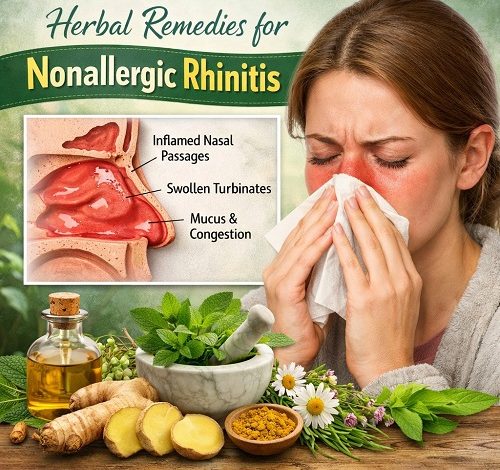
Nonallergic rhinitis can be frustrating, persistent, and uncomfortable. Unlike seasonal allergies, it is not triggered by pollen, dust mites, or pet dander. Instead, symptoms often flare up due to weather changes, strong odors, smoke, pollution, hormonal shifts, or even stress. Many people struggle with chronic nasal congestion, sneezing, postnasal drip, and a runny nose without finding long-term relief.
Fortunately, Herbal Remedies for Nonallergic Rhinitis offer natural support that may help calm nasal irritation, reduce inflammation, and promote clearer breathing. The most effective Herbal Remedies, how they work, and how to use them safely for lasting relief.
What Is Nonallergic Rhinitis?
Nonallergic rhinitis is a chronic condition characterized by inflammation of the nasal passages without an allergic cause. Symptoms can resemble allergic rhinitis, but allergy tests typically come back negative.
Common Symptoms:
- Persistent runny nose
- Nasal congestion
- Sneezing
- Postnasal drip
- Mild sinus pressure
Common Triggers:
- Cold air
- Strong smells (perfume, chemicals)
- Air pollution
- Spicy foods
- Hormonal changes
Unlike allergic rhinitis, antihistamines may not always provide relief. This is where Herbal Remedies for Nonallergic Rhinitis can become a supportive natural option.
Why Consider Herbal Remedies?
Many people prefer Herbal Remedies because they:
- Offer gentle, plant-based support
- May reduce inflammation naturally
- Help balance immune response
- Can be used long-term under guidance
- Have fewer side effects when used properly
However, it’s always important to consult a healthcare professional before starting any new herbal treatment—especially if you are pregnant, breastfeeding, or taking medications.
Top Herbal Remedies for Nonallergic Rhinitis
1. Butterbur (Petasites hybridus)
Butterbur is widely known for supporting respiratory health. It contains active compounds that may help reduce nasal inflammation and relax smooth muscle tissue.
Benefits:
- May decrease nasal congestion
- Helps calm inflammatory responses
- Supports sinus comfort
How to Use:
Look for PA-free (pyrrolizidine alkaloid-free) butterbur supplements to ensure safety. Follow dosage instructions carefully.
2. Stinging Nettle (Urtica dioica)
Stinging nettle has natural anti-inflammatory properties. Although commonly used for allergies, it may also help soothe irritated nasal tissues in nonallergic rhinitis.
Benefits:
- Reduces inflammation
- Supports respiratory health
- May decrease nasal swelling
How to Use:
Available as tea, capsules, or tincture. Drinking nettle tea daily may provide gentle long-term support.
3. Ginger (Zingiber officinale)
Ginger is a powerful anti-inflammatory and antioxidant herb. It helps improve circulation and may reduce nasal irritation.
Benefits:
- Supports immune balance
- Eases sinus pressure
- Reduces inflammation
How to Use:
Make fresh ginger tea by boiling slices in water for 10 minutes. Drink once or twice daily.
4. Turmeric (Curcuma longa)
Turmeric contains curcumin, a compound known for strong anti-inflammatory effects. Chronic nasal inflammation may respond positively to turmeric supplementation.
Benefits:
- Reduces chronic inflammation
- Supports immune health
- May improve sinus drainage
How to Use:
Add turmeric to meals or drink golden milk. Black pepper enhances curcumin absorption.
5. Eucalyptus (Eucalyptus globulus)
Eucalyptus essential oil is commonly used in steam inhalation to help clear nasal passages.
Benefits:
- Opens airways
- Reduces congestion
- Soothes irritated nasal lining
How to Use:
Add a few drops to hot water and inhale steam carefully. Never ingest essential oils.
6. Peppermint (Mentha piperita)
Peppermint contains menthol, which provides a cooling sensation and helps open nasal passages.
Benefits:
- Relieves sinus pressure
- Clears congestion
- Refreshes breathing
How to Use:
Peppermint tea or diluted essential oil steam inhalation may provide relief.
7. Astragalus (Astragalus membranaceus)
Astragalus is known in traditional herbal practices for supporting immune balance.
Benefits:
- Strengthens immune function
- May reduce chronic nasal sensitivity
- Supports respiratory resilience
How to Use:
Often taken as capsules or decoction tea.
8. Chamomile (Matricaria chamomilla)
Chamomile has calming and anti-inflammatory effects.
Benefits:
- Soothes irritated tissues
- Reduces inflammation
- Promotes relaxation (stress can worsen symptoms)
How to Use:
Drink chamomile tea in the evening to support overall comfort.
Lifestyle Tips to Enhance Herbal Remedies
Using Herbal Remedies for Nonallergic Rhinitis works best when combined with supportive lifestyle habits:
1. Use a Humidifier
Dry air worsens nasal irritation.
2. Stay Hydrated
Fluids thin mucus and improve drainage.
3. Avoid Strong Irritants
Limit exposure to smoke, perfumes, and chemical fumes.
4. Practice Nasal Irrigation
Saline rinses help remove irritants and mucus buildup.
5. Manage Stress
Chronic stress can increase nasal sensitivity.
How Long Do Herbal Remedies Take to Work?
Herbal Remedies are not instant fixes. While steam inhalation may provide quick relief, internal herbs like turmeric or astragalus may take 2–4 weeks of consistent use to show noticeable improvements.
Patience and consistency are key.
Safety Considerations
Although Herbal Remedies are natural, they can still cause side effects or interact with medications.
Important Precautions:
- Always choose high-quality, reputable brands
- Start with small doses
- Avoid essential oils internally
- Consult a healthcare provider if symptoms persist
If symptoms include severe headaches, fever, or thick green discharge, medical evaluation is necessary to rule out infection.
When to See a Doctor
Seek professional care if you experience:
- Persistent symptoms lasting months
- Worsening sinus pain
- Nosebleeds
- Loss of smell
Herbal Remedies for Nonallergic Rhinitis can support comfort, but they are not a replacement for medical diagnosis.
Final Thoughts
Living with chronic nasal irritation can be exhausting, but natural options may offer meaningful support. The best Herbal Remedies for Nonallergic Rhinitis—such as butterbur, stinging nettle, ginger, turmeric, eucalyptus, peppermint, astragalus, and chamomile—provide anti-inflammatory, soothing, and immune-supportive benefits.
When used consistently and combined with healthy lifestyle habits, these Herbal Remedies may help reduce congestion, calm nasal tissues, and promote clearer breathing over time.
If you are searching for a gentle, plant-based approach to managing chronic nasal symptoms, these remedies may provide the lasting relief you’ve been looking for.