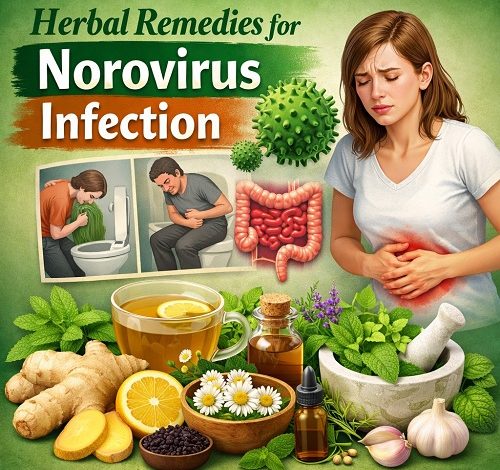
Best Herbal Remedies for Norovirus Infection to Support Digestive Health

Norovirus is one of the most common causes of stomach infections worldwide. Often referred to as the “stomach flu,” this virus spreads easily through contaminated food, water, surfaces, or close contact with infected individuals. Symptoms usually include nausea, vomiting, diarrhea, stomach cramps, fatigue, and dehydration. While the infection typically clears on its own within a few days, the symptoms can be uncomfortable and exhausting.
Many people turn to Herbal Remedies for Norovirus Infection to help soothe the digestive system, support hydration, and strengthen the immune response. Natural herbs have been used for centuries to calm stomach upset, reduce inflammation, and help the body recover faster. The most effective herbal remedies, how they work, and ways to use them safely.
Understanding Norovirus and Its Impact on Digestive Health
Norovirus is a highly contagious virus that affects the stomach and intestines. Once inside the body, it irritates the lining of the digestive tract, leading to inflammation and sudden symptoms. The infection often begins 12 to 48 hours after exposure.
Common Symptoms
- Sudden nausea
- Frequent vomiting
- Watery diarrhea
- Stomach cramps
- Mild fever
- Body aches
- Fatigue
- Dehydration
Although most healthy adults recover within 1–3 days, the infection can be more severe in children, older adults, and people with weakened immune systems.
Since there is no specific medication that cures norovirus, treatment focuses on symptom relief and maintaining hydration. This is where Herbal Remedies may offer gentle and supportive relief.
Why Choose Herbal Remedies for Norovirus Infection?
Natural treatments are becoming increasingly popular for digestive illnesses. Herbs contain bioactive compounds that can support gut health, fight inflammation, and calm stomach irritation.
Benefits of using Herbal Remedies for Norovirus Infection include:
- Supporting the body’s natural healing process
- Reducing nausea and vomiting
- Helping restore digestive balance
- Providing antioxidants and nutrients
- Being gentle on the stomach
When used alongside proper hydration and rest, herbal solutions may make recovery more comfortable.
Best Herbal Remedies for Norovirus Infection
Below are some of the most effective and widely used herbs for digestive infections and stomach flu symptoms.
1. Ginger – The Ultimate Remedy for Nausea
Ginger is one of the most well-known natural treatments for digestive upset. It has been used for centuries in traditional medicine to treat nausea, vomiting, and stomach discomfort.
Benefits
- Reduces nausea and vomiting
- Helps calm intestinal spasms
- Supports digestion
- Has anti-inflammatory properties
How to Use
- Ginger tea
- Fresh ginger in warm water
- Ginger capsules
- Ginger powder with honey
Drinking warm ginger tea several times a day can help soothe the stomach and reduce the urge to vomit.
2. Peppermint – Soothing for the Digestive System
Peppermint is another powerful herb known for its calming effects on the digestive tract. The menthol in peppermint helps relax stomach muscles and reduce cramping.
Benefits
- Relieves stomach cramps
- Reduces nausea
- Helps control gas and bloating
- Supports digestive comfort
How to Use
- Peppermint tea
- Peppermint oil capsules
- Fresh peppermint leaves in hot water
Peppermint tea is particularly useful when experiencing nausea or stomach discomfort caused by norovirus.
3. Chamomile – Gentle Relief for Stomach Irritation
Chamomile is widely known for its calming properties, but it also offers significant digestive benefits. It helps reduce inflammation in the gastrointestinal tract.
Benefits
- Reduces stomach inflammation
- Relieves cramps and spasms
- Promotes relaxation and sleep
- Supports gut healing
How to Use
- Chamomile tea before bedtime
- Chamomile extract
- Herbal digestive blends
Chamomile is especially helpful for those experiencing stomach cramps and difficulty sleeping due to illness.
4. Turmeric – Natural Anti-Inflammatory Support
Turmeric contains curcumin, a compound known for its powerful anti-inflammatory and antioxidant properties. It may help soothe irritation in the digestive system during infection.
Benefits
- Reduces inflammation
- Supports immune health
- Helps protect gut lining
- Encourages faster recovery
How to Use
- Turmeric tea
- Golden milk
- Turmeric capsules
Combining turmeric with black pepper improves absorption and effectiveness.
5. Fennel Seeds – Relief from Bloating and Gas
Fennel seeds are commonly used to support digestion and relieve stomach discomfort. They can help reduce bloating, cramping, and gas.
Benefits
- Relieves digestive spasms
- Supports healthy digestion
- Reduces bloating
- Helps calm the stomach
How to Use
- Fennel tea
- Chewing fennel seeds after meals
- Herbal digestive mixtures
This herb is particularly helpful during the recovery phase after vomiting and diarrhea.
6. Licorice Root – Soothing for the Gut Lining
Licorice root has long been used in herbal medicine for gastrointestinal issues. It helps coat and soothe the digestive tract.
Benefits
- Protects stomach lining
- Reduces irritation
- Supports immune function
- Helps reduce inflammation
How to Use
- Licorice root tea
- Deglycyrrhizinated licorice (DGL) supplements
- Herbal blends for digestion
However, licorice should be used in moderation, especially for people with high blood pressure.
7. Slippery Elm – Natural Digestive Support
Slippery elm contains mucilage, a gel-like substance that coats the digestive tract and provides soothing relief.
Benefits
- Protects irritated tissues
- Supports digestive healing
- Helps reduce diarrhea
- Provides gentle nourishment
How to Use
- Slippery elm powder mixed with warm water
- Capsules
- Herbal teas
This herb can be especially beneficial when the stomach lining is irritated after repeated vomiting.
Hydration Herbs That Support Recovery
Hydration is the most important part of recovering from norovirus. Some herbs can support hydration while also soothing the digestive system.
Helpful Herbal Drinks
- Ginger tea
- Mint tea
- Chamomile tea
- Lemon balm tea
- Rice water with herbs
These drinks help replenish fluids and electrolytes lost through vomiting and diarrhea.
Foods to Combine with Herbal Remedies
When recovering from norovirus, the digestive system is sensitive. Simple foods combined with Herbal Remedies for Norovirus Infection can speed up recovery.
Recommended Foods
- Bananas
- Rice
- Applesauce
- Toast
- Clear soups
- Coconut water
- Herbal teas
These foods are easy to digest and help restore energy.
Lifestyle Tips to Recover Faster
Along with Herbal Remedies, lifestyle habits can help the body recover from norovirus more quickly.
- Rest
The body needs energy to fight infection. Adequate rest helps the immune system function properly.
- Stay Hydrated
Drink small sips of fluids regularly to avoid dehydration.
- Eat Light Foods
Avoid heavy, greasy, or spicy foods until digestion improves.
- Practice Hygiene
Wash hands frequently and disinfect surfaces to prevent spreading the virus.
- Avoid Dairy and Alcohol
These can irritate the digestive system during recovery.
Preventing Future Norovirus Infections Naturally
While herbs can support recovery, prevention is always better than treatment.
Prevention Tips
- Wash hands thoroughly with soap
- Avoid contaminated food or water
- Wash fruits and vegetables well
- Disinfect surfaces regularly
- Strengthen immunity with a healthy diet
Certain herbs like turmeric, ginger, and garlic may also help support immune defenses.
Are Herbal Remedies Safe?
Most Herbal Remedies for Norovirus Infection are safe when used properly. However, there are some precautions to consider.
Safety Tips
- Consult a healthcare professional if pregnant or breastfeeding
- Avoid mixing herbs with medications without advice
- Use recommended dosages
- Stop use if allergic reactions occur
Herbal treatments should support recovery, not replace medical care when symptoms become severe.
When to Seek Medical Help
Although norovirus usually resolves on its own, some cases require medical attention.
Seek medical care if you experience:
- Severe dehydration
- Blood in stool
- High fever
- Symptoms lasting more than 3 days
- Inability to keep fluids down
Children, elderly individuals, and those with weakened immune systems should be monitored carefully.
Final Thoughts
Norovirus infections can be unpleasant and exhausting, but supportive care can make a big difference. Herbal Remedies for Norovirus Infection provide natural ways to calm the digestive system, reduce nausea, and support overall recovery. Herbs such as ginger, peppermint, chamomile, turmeric, fennel, licorice root, and slippery elm have long histories in traditional medicine for digestive relief.
When combined with proper hydration, light nutrition, rest, and hygiene, these Herbal Remedies can help the body regain balance and restore digestive health naturally.
Natural healing methods continue to gain attention for their gentle yet effective support. While herbs may not cure the virus itself, they can make the recovery process far more comfortable and supportive for the body.