Top Herbal Remedies for Premenstrual Syndrome for Fast and Effective Relief

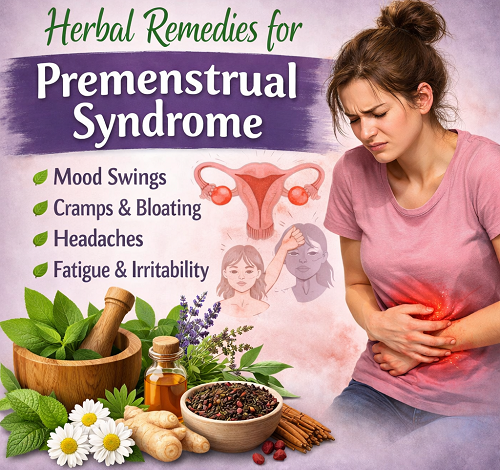
Premenstrual Syndrome (PMS) affects millions of women worldwide, causing a range of physical, emotional, and behavioral symptoms in the days leading up to menstruation. From bloating and fatigue to mood swings and irritability, PMS can significantly impact daily life. Fortunately, many women are turning to Herbal Remedies for Premenstrual Syndrome as a natural and effective way to manage these symptoms.
The most effective Herbal Remedies for Premenstrual Syndrome, how they work, and how you can safely incorporate them into your routine for fast and lasting relief.
Understanding Premenstrual Syndrome (PMS)
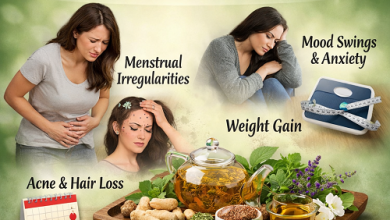
Premenstrual Syndrome refers to a combination of symptoms that occur during the luteal phase of the menstrual cycle, typically 1–2 weeks before menstruation. These symptoms can vary widely in severity and may include:
- Mood swings and irritability
- Anxiety or depression
- Fatigue and low energy
- Breast tenderness
- Bloating and water retention
- Headaches
- Food cravings
The primary cause of PMS is believed to be hormonal fluctuations, particularly changes in estrogen and progesterone levels. These hormonal shifts can also affect neurotransmitters like serotonin, influencing mood and behavior.
Why Choose Herbal Remedies for Premenstrual Syndrome?
Many women prefer Natural Remedies for Premenstrual Syndrome because they:
- Are derived from plant-based sources
- Have fewer side effects compared to synthetic medications
- Address root causes such as hormonal imbalance
- Provide holistic support for both physical and emotional symptoms
Herbal remedies have been used for centuries in traditional medicine systems and are now gaining popularity in modern wellness practices.
Top Herbal Remedies for Premenstrual Syndrome
1. Chasteberry (Vitex Agnus-Castus)
Chasteberry is one of the most well-researched Herbal Remedies for Premenstrual Syndrome. It helps regulate hormones by influencing the pituitary gland and balancing progesterone levels.
Benefits:
- Reduces breast tenderness
- Alleviates mood swings
- Helps regulate menstrual cycles
How to Use:
Take as a supplement in capsule or tincture form daily for best results.
2. Evening Primrose Oil
Rich in gamma-linolenic acid (GLA), evening primrose oil supports hormonal balance and reduces inflammation.
Benefits:
- Relieves breast pain
- Reduces bloating
- Improves skin health
How to Use:
Available in capsule form; take daily during the menstrual cycle.
3. Ginger
Ginger is a powerful anti-inflammatory herb that helps relieve pain and digestive discomfort.
Benefits:
- Reduces menstrual cramps
- Eases nausea and bloating
- Improves digestion
How to Use:
Drink ginger tea or add fresh ginger to meals.
4. Turmeric
Turmeric contains curcumin, which has strong anti-inflammatory and antioxidant properties.
Benefits:
- Reduces pain and inflammation
- Supports mood balance
- Improves overall health
How to Use:
Add turmeric to food or take as a supplement with black pepper for better absorption.
5. Chamomile
Chamomile is well-known for its calming and relaxing effects, making it ideal for emotional PMS symptoms.
Benefits:
- Reduces anxiety and irritability
- Promotes better sleep
- Relieves mild cramps
How to Use:
Drink chamomile tea before bedtime.
6. Peppermint
Peppermint is effective for digestive issues and tension headaches associated with PMS.
Benefits:
- Relieves bloating and gas
- Reduces headaches
- Improves focus and clarity
How to Use:
Drink peppermint tea or inhale essential oil vapors.
7. Dong Quai
Often referred to as “female ginseng,” Dong Quai is a traditional Chinese herb used to support women’s reproductive health.
Benefits:
- Balances hormones
- Improves blood circulation
- Reduces cramps
How to Use:
Available in capsules, powders, or teas.
8. Ashwagandha
Ashwagandha is an adaptogenic herb that helps the body cope with stress and hormonal fluctuations.
Benefits:
- Reduces stress and anxiety
- Balances cortisol levels
- Enhances mood
How to Use:
Take as a supplement or mix powder into warm milk.
9. Fennel
Fennel is known for its ability to relieve menstrual pain and improve digestion.
Benefits:
- Reduces cramps
- Eases bloating
- Supports hormonal balance
How to Use:
Drink fennel tea or chew fennel seeds after meals.
10. St. John’s Wort
This herb is commonly used for mild depression and mood disorders.
Benefits:
- Improves mood
- Reduces irritability
- Supports emotional well-being
How to Use:
Take as a supplement, but consult a healthcare provider due to potential interactions.
How to Use Herbal Remedies Safely
While Herbal Remedies for Premenstrual Syndrome are generally safe, it’s important to use them responsibly:
- Start with small doses
- Follow recommended guidelines
- Consult a healthcare professional, especially if pregnant or taking medications
- Avoid combining multiple herbs without proper guidance
Lifestyle Tips to Enhance Herbal Remedies
To maximize the effectiveness of Natural Remedies for Premenstrual Syndrome, consider these lifestyle changes:
1. Maintain a Balanced Diet
Eat nutrient-rich foods such as fruits, vegetables, whole grains, and lean proteins. Avoid excessive sugar, caffeine, and processed foods.
2. Exercise Regularly
Physical activity helps reduce stress, improve mood, and alleviate physical symptoms.
3. Stay Hydrated
Drinking enough water can reduce bloating and fatigue.
4. Practice Stress Management
Techniques like yoga, meditation, and deep breathing can help regulate emotions.
5. Get Adequate Sleep
Aim for 7–9 hours of quality sleep each night to support hormonal balance.
Combining Herbal Remedies for Better Results
Many women find that combining different Herbal Remedies for Premenstrual Syndrome provides more comprehensive relief. For example:
- Chamomile + Ashwagandha for stress and sleep
- Ginger + Fennel for digestive issues
- Chasteberry + Evening Primrose Oil for hormonal balance
Always consult a professional before combining herbs to avoid unwanted interactions.
When to See a Doctor
While Natural Remedies for Premenstrual Syndrome can be highly effective, some cases may require medical attention. Consult a healthcare provider if:
- Symptoms are severe or worsening
- PMS interferes with daily activities
- You suspect Premenstrual Dysphoric Disorder (PMDD)
- Herbal remedies do not provide relief
Final Thoughts
PMS can be challenging, but it doesn’t have to control your life. With the right approach, including the use of Herbal Remedies for Premenstrual Syndrome, you can achieve fast and effective relief naturally.
From hormone-balancing herbs like chasteberry to calming options like chamomile, these Natural Remedies for Premenstrual Syndrome offer a holistic way to manage symptoms without relying solely on pharmaceuticals. By combining herbal treatments with healthy lifestyle habits, you can support your body and mind throughout your menstrual cycle.
Remember, every woman’s body is different. It may take some experimentation to find the best combination of Herbal Remedies that works for you. Stay consistent, listen to your body, and consult a healthcare professional when needed.