

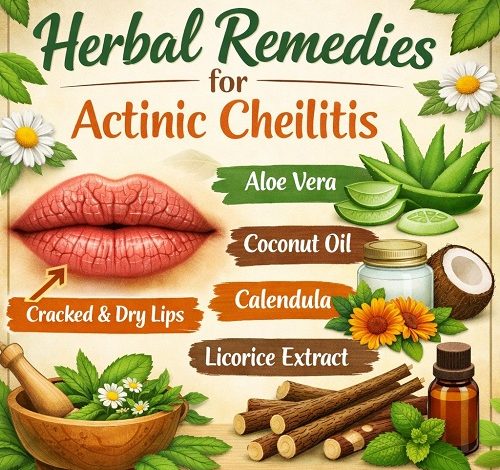
Actinic cheilitis is a common yet often overlooked condition that affects the lips, especially the lower lip. It is primarily caused by long-term exposure to ultraviolet (UV) radiation from the sun. Over time, this exposure leads to dryness, scaling, cracking, and even precancerous changes in the lip tissue. While medical treatments are available, many people are now turning towards Herbal Remedies for Actinic Cheilitis to soothe irritation and support natural healing. The most effective herbal approaches, how they work, and how to use them safely. If you’re looking for gentle, plant-based solutions, these Natural Remedies for Actinic Cheilitis may help restore the health and appearance of your lips.
Actinic Cheilitis
Before diving into remedies, it is important to understand the condition itself. Actinic cheilitis develops due to chronic sun exposure, making it more common in people who spend a lot of time outdoors. Symptoms may include:
- Persistent dryness and roughness
- Cracked or peeling lips
- White or scaly patches
- Loss of clear border between lip and skin
- Tenderness or burning sensation
If left untreated, actinic cheilitis can progress into more serious conditions, so early care is essential.
Why Choose Herbal Remedies?
Many conventional treatments, such as topical medications or procedures, can be effective but may come with side effects like irritation or discomfort. Herbal Remedies for Actinic Cheilitis offer a gentler alternative with multiple benefits:
- Naturally soothing and hydrating
- Rich in antioxidants and anti-inflammatory compounds
- Support skin regeneration
- Fewer side effects when used properly
These remedies focus on healing the lips while protecting them from further damage.
Top Herbal Remedies for Actinic Cheilitis
1. Aloe Vera Gel
Aloe vera is one of the most widely used Herbal Remedies for skin healing.
Benefits:
- Deeply hydrates dry lips
- Reduces inflammation and redness
- Promotes tissue repair
How to Use:
Apply fresh aloe vera gel directly to the lips 2–3 times daily. Leave it on for at least 20 minutes before rinsing or leaving it overnight.
2. Calendula (Marigold)
Calendula is known for its powerful skin-soothing properties.
Benefits:
- Speeds up wound healing
- Reduces irritation and swelling
- Helps repair damaged skin
How to Use:
Use calendula-infused oil or balm on your lips twice daily for best results.
3. Coconut Oil
Coconut oil is a natural moisturiser with antimicrobial properties.
Benefits:
- Prevents dryness and cracking
- Protects lips from infection
- Forms a barrier against environmental damage
How to Use:
Apply a small amount of virgin coconut oil to your lips throughout the day, especially before sun exposure.
4. Chamomile
Chamomile is a gentle herb known for calming irritated skin.
Benefits:
- Reduces inflammation
- Soothes sensitive lips
- Promotes healing
How to Use:
Brew chamomile tea, let it cool, and apply it to your lips using a cotton pad.
5. Green Tea Extract
Green tea is rich in antioxidants, particularly polyphenols.
Benefits:
- Fights free radical damage
- Supports skin repair
- May help prevent further UV damage
How to Use:
Apply cooled green tea or use products containing green tea extract on the lips daily.
6. Turmeric
Turmeric has strong anti-inflammatory and antioxidant properties.
Benefits:
- Reduces inflammation
- Supports skin regeneration
- Helps protect against oxidative stress
How to Use:
Mix a pinch of turmeric with honey or aloe vera and apply it as a lip mask for 10–15 minutes.
7. Shea Butter
Shea butter is a rich, nourishing natural fat extracted from shea nuts.
Benefits:
- Deeply moisturises lips
- Repairs cracked skin
- Provides mild sun protection
How to Use:
Apply pure shea butter as a lip balm several times a day.
8. Licorice Root Extract
Licorice root is often used for its skin-brightening and healing effects.
Benefits:
- Reduces pigmentation
- Soothes inflamed skin
- Supports healing of damaged tissue
How to Use:
Use a lip balm or cream containing licorice extract.
9. Rosehip Oil
Rosehip oil is rich in vitamins A and C, essential for skin repair.
Benefits:
- Promotes cell regeneration
- Improves skin texture
- Reduces dryness
How to Use:
Apply a few drops of rosehip oil to the lips before bedtime.
10. Honey
Raw honey is a natural humectant and antibacterial agent.
Benefits:
- Locks in moisture
- Heals cracked lips
- Prevents infection
How to Use:
Apply a thin layer of honey to your lips and leave it on for 15–20 minutes.
Combining Herbal Remedies for Better Results
Using a combination of Natural Remedies for Actinic Cheilitis can enhance results. For example:
- Aloe vera + coconut oil for hydration and healing
- Turmeric + honey for anti-inflammatory effects
- Rosehip oil + shea butter for overnight repair
Consistency is key when using herbal treatments.
Lifestyle Tips to Support Healing
While Herbal Remedies for Actinic Cheilitis are effective, they work best when combined with healthy habits:
1. Protect Your Lips from the Sun
Always use a natural lip balm with SPF or wear a wide-brimmed hat when outdoors.
2. Stay Hydrated
Drink plenty of water to keep your lips hydrated from within.
3. Avoid Irritants
Limit exposure to harsh chemicals, smoking, and excessive alcohol.
4. Maintain a Healthy Diet
Include foods rich in antioxidants, such as fruits, vegetables, and nuts.
Precautions When Using Herbal Remedies
Although herbal treatments are generally safe, keep these points in mind:
- Always do a patch test before using a new remedy
- Use high-quality, natural ingredients
- Avoid overuse, especially with strong herbs like turmeric
- Consult a healthcare professional if symptoms persist
When to See a Doctor
While Natural Remedies for Actinic Cheilitis can help manage symptoms, medical attention is necessary if you notice:
- Persistent sores that do not heal
- Severe pain or bleeding
- Rapid changes in the appearance of the lips
Early diagnosis and treatment are crucial to prevent complications.
Final Thoughts
Actinic cheilitis can be uncomfortable and concerning, but with the right care, it is manageable. Herbal Remedies for Actinic Cheilitis offer a gentle, natural way to soothe irritation, repair damaged lips, and support long-term skin health.
From aloe vera and calendula to rosehip oil and honey, these time-tested Herbal Remedies provide effective relief without harsh side effects. By combining these remedies with proper sun protection and a healthy lifestyle, you can significantly improve the condition of your lips.
If you are looking for safe and natural options, these Natural Remedies for Actinic Cheilitis are a great place to start. Consistency, patience, and proper care will help you achieve healthier, smoother lips over time.