
What Is Stye ?
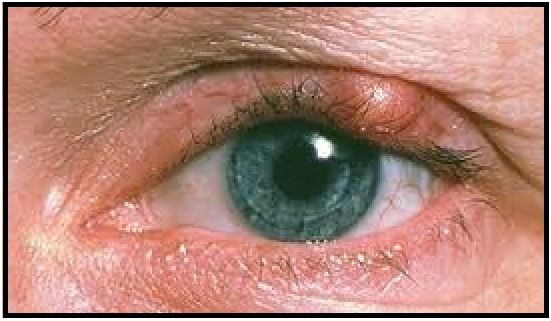
Also known as hordeolum, Stye is an infection of the sebaceous gland of Zeis art he base of the eyelashes. It may also be an infection of the apocrine sweat glands. Although generally it forms on the outside of the eyelid, it may form on the inside as well. It tends to look like a red boil or pimple which may prove to be extremely painful and is filled with pus. Generally, it does not require any treatment since it is characterized by a short durational acute onset. However, discomfort can be relieved if one applies a warm washcloth on the affected eye.Causes Of Stye:
Stye is caused by a clogged or blocked oil gland and by the bacterium called Staphylococcus aureu, which tends to live on the skin surface. Our skin is home a number of bacteria which generally do not cause any harm. One of them is the bacteria that causes stye. The lump may only develop if conditions are appropriate for the bacteria to become overabundant. This cannot occur in isolation; therefore it’s a combination of a blocked sebaceous gland and the presence of the bacteria which brings about the development of stye.Symptoms Of Stye:
The following signs and symptoms are exhibited:- A lump on the top or bottom eyelid
- Localized swelling of the eyelid
- Localized pain
- Redness
- Tenderness
- Crusting of the eyelid margins
- Burning in the eye
- Droopiness of the eyelid
- Itching on the eye
- Blurred vision
- Mucous discharge in the eye
- Irritation of the eye
- Light sensitivity
- Tearing
- Discomfort during blinking
- Sensation of a foreign body in the eye
Diagnosis Of Stye:
The can simply be diagnosed via the oncologist examining the eye and taking a medical history to find out about the presence of symptoms.Treatment Of Stye:
Normally, stye tends to disappear on its own within a week after onset. However, if it persists and causes discomfort, treatment can be sought. Treatment of stye consists of the following:- Antibiotic eye drops
- topical antibiotic cream to apply
- Antibiotics in tablet or pill form.
- Surgery to relieve pressure.
- Making a small cut in the lump to drain the pus, to relieve pain and swelling
By : Natural Health News