Best Herbal Remedies for Amebiasis to Support a Healthy Digestive System

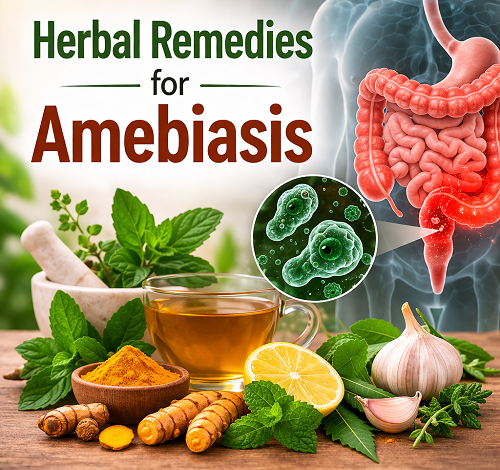
Digestive infections can significantly impact overall health, energy levels, and daily comfort. One such infection is amebiasis, a parasitic disease caused by Entamoeba histolytica. This parasite primarily infects the intestines and spreads through contaminated food, water, or poor sanitation. Symptoms may include diarrhea, abdominal pain, fatigue, and sometimes more serious complications if left untreated.
While medical treatment is essential in many cases, many people look for supportive natural approaches to help maintain digestive health and reduce discomfort. Herbal Remedies for Amebiasis have long been used in traditional medicine to promote gut balance, support immunity, and assist the body in fighting infections naturally.
The best Herbal Remedies for Amebiasis, how they work, and how they can support a healthier digestive system. We will also discuss Natural Remedies for Amebiasis that complement herbal solutions for better gut health.
Understanding Amebiasis and Its Effects on Digestive Health
Amebiasis occurs when a person ingests cysts of the parasite Entamoeba histolytica. Once inside the body, the parasite multiplies in the intestines and can cause inflammation and digestive disturbances.
Common Symptoms of Amebiasis
Some people may experience mild symptoms, while others may develop more severe digestive issues. Common symptoms include:
- Persistent diarrhea
- Stomach cramps and abdominal pain
- Fatigue and weakness
- Loss of appetite
- Nausea
- Bloody stools in severe cases
If untreated, the infection may spread beyond the intestines and affect other organs such as the liver.
Because the digestive system becomes irritated and inflamed during infection, many individuals seek Herbal Remedies for Amebiasis to soothe the gut and help the body recover naturally.
Why Consider Herbal Remedies for Amebiasis?
Herbal medicine has been used for centuries to support digestive health and combat intestinal parasites. Certain herbs contain antimicrobial, anti-inflammatory, and immune-supporting compounds that may help the body manage infections more effectively.
Benefits of herbal remedies include:
- Supporting the body’s natural defense mechanisms
- Helping restore digestive balance
- Reducing inflammation in the gut
- Supporting immune system function
- Providing gentle, natural digestive support
Although herbs cannot replace professional medical treatment in severe cases, they can serve as helpful Natural Remedies for Amebiasis when used responsibly.
Best Herbal Remedies for Amebiasis
Below are some of the most effective Herbal Remedies for Amebiasis that have traditionally been used to support digestive health and combat intestinal parasites.
1. Garlic
Garlic is one of the most powerful natural antimicrobial herbs used in traditional medicine. It contains a compound called allicin, which has strong antibacterial and antiparasitic properties.
Garlic may help:
- Inhibit parasite growth
- Improve immune response
- Support digestive health
How to use:
Fresh garlic cloves can be consumed raw, added to meals, or taken as garlic supplements.
Garlic is widely considered one of the most reliable Natural Remedies for Amebiasis because of its natural infection-fighting properties.
2. Neem
Neem has long been used in Ayurvedic medicine for its powerful cleansing and antimicrobial effects.
Benefits of neem include:
- Fighting harmful microorganisms
- Supporting detoxification
- Reducing intestinal inflammation
Neem may help cleanse the digestive tract and support the body’s natural efforts to eliminate parasites.
How to use:
Neem leaves can be consumed as herbal tea or taken in capsule form.
Neem remains a well-known choice among Herbal Remedies for Amebiasis due to its strong antiparasitic qualities.
3. Turmeric
Turmeric is famous for its anti-inflammatory compound called curcumin, which helps reduce inflammation throughout the body.
Turmeric may help:
- Reduce intestinal inflammation
- Support immune health
- Promote digestive healing
During amebiasis, the digestive tract becomes irritated. Turmeric may help soothe the digestive system and promote recovery.
How to use:
Turmeric can be added to warm water, milk, or meals as a daily health tonic.
Because of its healing properties, turmeric is often included in Natural Remedies for Amebiasis to support gut health.
4. Papaya Seeds
Papaya seeds have been traditionally used as a natural remedy for intestinal parasites. They contain enzymes that may help break down parasite membranes.
Benefits include:
- Supporting parasite elimination
- Promoting healthy digestion
- Improving gut balance
How to use:
Papaya seeds can be crushed and mixed with honey or blended into smoothies.
These seeds are a powerful yet simple option among Herbal Remedies for Amebiasis.
5. Oregano
Oregano contains carvacrol and thymol, two compounds known for their strong antimicrobial effects.
Potential benefits include:
- Fighting parasites and harmful bacteria
- Supporting immune health
- Improving digestive balance
How to use:
Oregano oil capsules or oregano tea may be used as part of a natural digestive support routine.
Because of its potent antimicrobial properties, oregano is considered one of the strongest Natural Remedies for Amebiasis.
6. Ginger
Ginger is a widely used digestive herb known for its soothing and anti-inflammatory effects.
Ginger may help:
- Reduce nausea and stomach discomfort
- Support digestion
- Improve gut motility
How to use:
Fresh ginger tea or ginger powder can be consumed daily to support digestive health.
Ginger is often recommended as a gentle yet effective addition to Herbal Remedies for Amebiasis.
7. Black Walnut
Black walnut hull has traditionally been used in herbal medicine to support parasite cleansing.
Benefits include:
- Supporting parasite elimination
- Improving intestinal health
- Providing antioxidant protection
How to use:
Black walnut is typically available as tinctures or capsules.
Many herbal practitioners include black walnut in Natural Remedies for Amebiasis due to its traditional use in parasite cleansing protocols.
8. Clove
Clove is another powerful herb that may help eliminate parasites and support digestive health.
Cloves contain eugenol, a compound known for its antimicrobial and antifungal properties.
Clove may help:
- Eliminate parasite eggs
- Improve digestion
- Reduce inflammation in the gut
How to use:
Cloves can be consumed as tea or added to herbal blends.
Clove complements other Herbal Remedies for Amebiasis in natural parasite-support programs.
Additional Natural Remedies for Amebiasis
Along with herbs, certain lifestyle and dietary practices can also support recovery and digestive health.
1. Stay Hydrated
Amebiasis often causes diarrhea, which can lead to dehydration. Drinking plenty of fluids such as water, coconut water, and herbal teas is essential.
2. Eat Easily Digestible Foods
During recovery, focus on foods that are gentle on the digestive system, including:
- Rice
- Bananas
- Yogurt
- Boiled vegetables
- Soups and broths
These foods support gut healing and reduce digestive stress.
3. Maintain Proper Hygiene
Since amebiasis spreads through contaminated food and water, good hygiene practices are essential.
Important habits include:
- Washing hands regularly
- Drinking purified water
- Properly washing fruits and vegetables
- Avoiding contaminated food sources
These habits help prevent reinfection and support long-term digestive health.
How Herbal Remedies Support a Healthy Digestive System
Herbs play an important role in maintaining digestive balance. Many Herbal Remedies for Amebiasis work through several mechanisms, including:
Antimicrobial Activity
Certain herbs contain natural compounds that may inhibit harmful microorganisms.
Anti-Inflammatory Effects
Digestive infections often cause inflammation. Herbs such as turmeric and ginger help soothe the intestinal lining.
Immune Support
A strong immune system helps the body defend itself against infections.
Gut Healing
Some herbs help restore the natural balance of gut bacteria and support intestinal repair.
When used properly, these Natural Remedies for Amebiasis may support the body’s healing process and promote overall digestive wellness.
Precautions When Using Herbal Remedies
Although herbal treatments are natural, they should still be used responsibly.
Important precautions include:
- Consult a healthcare professional before using herbal supplements
- Avoid excessive doses of herbs
- Use herbs from reputable sources
- Seek medical care if symptoms become severe
Amebiasis can sometimes become serious if left untreated, so professional medical guidance is always recommended.
When to Seek Medical Attention
While Herbal Remedies for Amebiasis can provide supportive benefits, certain symptoms require medical attention.
Seek medical care if you experience:
- Severe abdominal pain
- Bloody diarrhea
- Persistent fever
- Extreme fatigue
- Symptoms lasting longer than a few days
Medical treatment may include prescription medications to eliminate the parasite.
Herbal support can still play a complementary role alongside conventional treatment.
Final Thoughts
Amebiasis is a digestive infection that can cause uncomfortable symptoms and disrupt daily life. Supporting the digestive system during recovery is essential for restoring overall health.
Fortunately, several Herbal Remedies for Amebiasis have been traditionally used to support gut health, fight harmful microorganisms, and reduce inflammation. Herbs such as garlic, neem, turmeric, ginger, oregano, papaya seeds, black walnut, and clove offer natural digestive support and may help the body recover more effectively.
When combined with healthy habits, proper hydration, and good hygiene practices, these Natural Remedies for Amebiasis can contribute to a stronger digestive system and improved well-being.
However, it is important to remember that herbal remedies should complement—not replace—professional medical care. If symptoms are severe or persistent, always consult a healthcare professional for proper diagnosis and treatment.
By combining modern medical guidance with traditional herbal wisdom, individuals can take proactive steps toward maintaining a healthy digestive system and preventing future infections.