Top 10 Herbal Remedies for Anxiety During Pregnancy That Are Safe and Effective

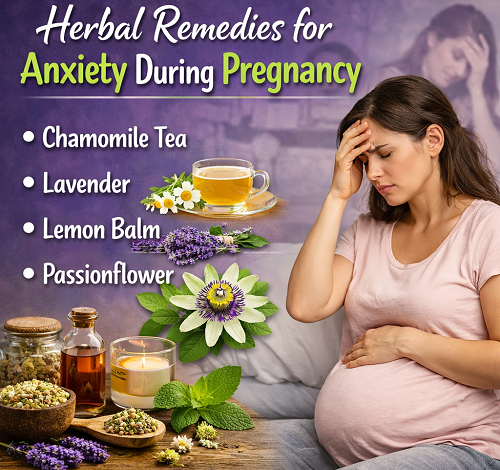
Pregnancy is a beautiful journey, but it can also bring emotional ups and downs. Hormonal changes, physical discomfort, and concerns about your baby’s health can all contribute to anxiety. While some level of worry is normal, persistent anxiety can affect both mother and baby.
Many expectant mothers look for Herbal Remedies for Anxiety During Pregnancy as a natural alternative to conventional medications. However, not all herbal remedies are safe during pregnancy. The Top 10 Herbal Remedies for Anxiety During Pregnancy that are generally considered safe and effective when used correctly and under medical supervision.
⚠️ Important: Always consult your healthcare provider before using any herbal remedies during pregnancy.
Understanding Anxiety During Pregnancy
Anxiety during pregnancy may show up as:
- Excessive worrying
- Irritability
- Restlessness
- Difficulty sleeping
- Rapid heartbeat
- Muscle tension
Hormonal fluctuations, especially changes in estrogen and progesterone, can influence neurotransmitters like serotonin and GABA, which regulate mood.
While severe anxiety may require professional treatment, mild to moderate symptoms often respond well to lifestyle changes and carefully selected herbal remedies.
Top 10 Herbal Remedies for Anxiety During Pregnancy
1. Chamomile (German Chamomile)
Chamomile is one of the most widely used herbal remedies for relaxation and sleep support.
Benefits:
- Promotes calmness
- Helps reduce mild insomnia
- Supports digestive comfort
Why It Helps Anxiety:
Chamomile contains apigenin, an antioxidant that binds to brain receptors involved in reducing anxiety.
Safety During Pregnancy:
German chamomile tea in moderate amounts (1 cup daily) is generally considered safe. Avoid concentrated extracts unless approved by your doctor.
2. Lemon Balm (Melissa officinalis)
Lemon balm is a gentle calming herb traditionally used to reduce stress and nervous tension.
Benefits:
- Reduces anxiety symptoms
- Supports sleep
- Eases digestive discomfort
Safety:
Often considered safe in mild tea form during pregnancy. Avoid high-dose supplements without medical supervision.
3. Lavender (Lavandula angustifolia)
Lavender is widely known for its soothing aroma and calming effects.
Benefits:
- Reduces nervous tension
- Improves sleep quality
- Lowers stress levels
Best Use in Pregnancy:
- Aromatherapy (diffused in room)
- Lavender tea in small amounts
Avoid ingesting lavender essential oil.
4. Ginger (Zingiber officinale)
While commonly used for nausea, ginger may also support emotional balance.
Benefits:
- Reduces pregnancy nausea
- May ease mild anxiety
- Supports digestion
Safety:
Ginger is widely regarded as safe during pregnancy in moderate dietary amounts.
5. Peppermint (Mentha piperita)
Peppermint is another gentle herbal remedy often used for stress-related digestive symptoms.
Benefits:
- Soothes stomach discomfort
- Refreshes mood
- Mild calming effect
Safety:
Peppermint tea is generally safe when consumed in moderate amounts.
6. Passionflower (Passiflora incarnata)
Passionflower is traditionally used for anxiety and sleep disorders.
Benefits:
- Supports relaxation
- May improve sleep
- Helps calm nervous tension
Pregnancy Caution:
Use only under medical supervision. Limited pregnancy safety data exists.
7. Oat Straw (Avena sativa)
Oat straw is a nourishing herb that supports the nervous system.
Benefits:
- Reduces stress
- Provides mineral support
- Gentle mood stabilizer
Safety:
Generally considered safe when consumed as tea.
8. Holy Basil (Tulsi)
Holy basil is an adaptogenic herb known for stress reduction.
Benefits:
- Supports stress resilience
- Balances mood
- Boosts immunity
Pregnancy Warning:
Some sources advise caution during pregnancy. Use only with professional guidance.
9. Rose (Rosa spp.)
Rose petals and rose tea have mild mood-enhancing properties.
Benefits:
- Uplifts mood
- Mild relaxation
- Pleasant aroma
Safety:
Generally safe in tea form.
10. Ashwagandha (Withania somnifera) – Use With Caution
Ashwagandha is a powerful adaptogen for stress.
Benefits:
- Reduces cortisol
- Supports adrenal health
- Improves mood
Important:
Many experts recommend avoiding ashwagandha during pregnancy due to potential uterine stimulation.
Herbal Remedies to Avoid During Pregnancy
Some herbs may worsen anxiety or pose risks:
- Valerian root (limited safety data)
- Kava (linked to liver toxicity)
- John’s Wort (drug interactions)
- High-dose essential oils internally
Always check with a healthcare provider before use.
How to Safely Use Herbal Remedies During Pregnancy
To safely use Herbal Remedies for Anxiety During Pregnancy, follow these guidelines:
1. Choose Tea Over Capsules
Teas are generally milder and safer.
2. Avoid High Doses
More is not better during pregnancy.
3. Limit to One Herb at a Time
This helps monitor reactions.
4. Consult Your Doctor
Especially if you have high-risk pregnancy conditions.
Additional Natural Ways to Reduce Anxiety During Pregnancy
Herbal remedies work best alongside lifestyle strategies:
- Prenatal yoga
- Deep breathing exercises
- Regular walking
- Adequate sleep
- Magnesium-rich foods
- Support groups
Combining these approaches enhances effectiveness.
When to Seek Medical Help
Seek professional care if anxiety causes:
- Panic attacks
- Persistent insomnia
- Loss of appetite
- Difficulty functioning daily
- Depressive symptoms
Your healthcare provider may recommend therapy, support groups, or medication if necessary.
Final Thoughts
Finding safe and effective Herbal Remedies for Anxiety During Pregnancy requires careful consideration. While many herbal remedies can gently ease stress and support emotional well-being, safety must always come first.
Gentle herbs like chamomile, lemon balm, peppermint, oat straw, and rose are often considered safe in tea form. However, stronger adaptogens such as ashwagandha and holy basil should only be used with medical guidance.
Pregnancy is a sensitive time, and anxiety management should be personalized. Combining herbal remedies with relaxation techniques, healthy nutrition, and emotional support creates a holistic approach to mental well-being.