Herbal Remedies for Limited Scleroderma: Natural Ways to Support Skin and Joint Health

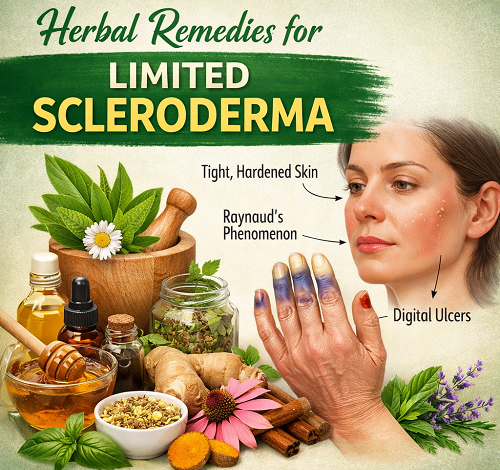
Living with limited scleroderma can be physically and emotionally challenging. Tightened skin, joint discomfort, digestive issues, and circulation problems often interfere with daily life. While conventional medical treatments remain essential, many individuals explore complementary approaches to ease symptoms and improve quality of life.
Herbal Remedies for Limited Scleroderma and how natural plant-based therapies may help support skin flexibility, reduce inflammation, and promote joint comfort.
Understanding Limited Scleroderma
Limited scleroderma is a subtype of Scleroderma, an autoimmune condition that causes the body to produce excessive collagen. This overproduction leads to thickened, tight skin and may affect blood vessels and internal organs.
Limited scleroderma is often associated with the CREST syndrome, which includes:
- Calcinosis (calcium deposits under the skin)
- Raynaud’s phenomenon (reduced blood flow to fingers and toes)
- Esophageal dysfunction
- Sclerodactyly (tightening of the skin on fingers)
- Telangiectasia (small dilated blood vessels)
Although there is currently no cure, symptoms can often be managed with a combination of medical care and supportive therapies — including Herbal Remedies.
Why Consider Herbal Remedies for Limited Scleroderma?
Herbal medicine has been used for centuries to manage inflammatory and autoimmune conditions. Many herbs possess:
- Anti-inflammatory properties
- Antioxidant activity
- Immune-modulating effects
- Circulation-enhancing benefits
- Skin-supporting nutrients
While Herbal Remedies for Limited Scleroderma are not replacements for prescribed treatments, they may help reduce symptom severity and improve overall wellness when used responsibly under medical supervision.
Top Herbal Remedies for Limited Scleroderma
1. Turmeric (Curcuma longa)
Turmeric contains curcumin, a powerful anti-inflammatory compound.
Potential Benefits:
- May reduce joint inflammation
- Supports immune regulation
- Helps combat oxidative stress
- Promotes skin healing
Chronic inflammation contributes to tissue damage in autoimmune disorders. Turmeric’s anti-inflammatory effects may help ease stiffness and discomfort.
How to Use:
- 500–1000 mg curcumin supplements daily
- Turmeric tea with black pepper (enhances absorption)
- Added to meals
2. Ginger (Zingiber officinale)
Ginger is widely known for its anti-inflammatory and circulation-boosting effects.
Potential Benefits:
- May relieve joint pain
- Supports digestive function
- Improves blood circulation
- May help manage Raynaud’s symptoms
Because circulation issues are common in limited scleroderma, ginger may support blood flow and warmth in extremities.
How to Use:
- Fresh ginger tea
- 1–2 grams powdered ginger daily
- Capsules
3. Gotu Kola (Centella asiatica)
Centella asiatica is traditionally used for connective tissue support.
Potential Benefits:
- Supports collagen balance
- Enhances skin elasticity
- Promotes wound healing
- Improves circulation
This herb may help address skin tightening by supporting healthier connective tissue function.
How to Use:
- 300–600 mg standardized extract
- Tea infusions
- Topical creams
4. Boswellia (Indian Frankincense)
Boswellia serrata contains boswellic acids that help reduce inflammation.
Potential Benefits:
- Reduces joint stiffness
- Supports immune balance
- May decrease chronic inflammatory response
This makes it one of the most promising Herbal Remedies for Limited Scleroderma affecting joints.
How to Use:
- 300–500 mg extract 2–3 times daily
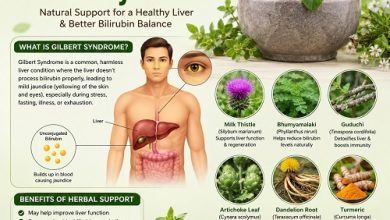
5. Milk Thistle (Silybum marianum)
Milk thistle is known for liver support and antioxidant properties.
Potential Benefits:
- Detoxification support
- Reduces oxidative stress
- Supports immune function
Since autoimmune diseases often involve immune dysregulation, supporting detox pathways may be beneficial.
6. Evening Primrose Oil
Oenothera biennis provides gamma-linolenic acid (GLA), an anti-inflammatory fatty acid.
Potential Benefits:
- Improves skin hydration
- Supports joint flexibility
- Reduces inflammation
This may help ease dryness and stiffness common in limited scleroderma.
7. Ashwagandha (Withania somnifera)
Withania somnifera is an adaptogenic herb that supports stress balance.
Potential Benefits:
- Modulates immune response
- Reduces stress-triggered flare-ups
- Supports energy levels
Stress can worsen autoimmune symptoms, so adaptogens may provide supportive relief.
Herbal Remedies for Limited Scleroderma and Skin Health
Skin tightening is one of the hallmark symptoms of limited scleroderma. Herbal support may include:
- Aloe vera for hydration and soothing
- Calendula for wound healing
- Gotu kola for collagen regulation
- Coconut oil for moisture retention
Topical herbal creams combined with internal supplementation may offer the most benefit.
Herbal Remedies for Limited Scleroderma and Joint Support
Joint stiffness and discomfort can significantly limit mobility. Anti-inflammatory herbs such as:
- Turmeric
- Boswellia
- Ginger
- Devil’s claw
may help ease inflammation and improve flexibility.
Gentle movement, stretching, and physical therapy should complement herbal approaches.
Circulation Support for Raynaud’s Phenomenon
Raynaud’s phenomenon causes fingers and toes to turn white or blue due to restricted blood flow.
Herbs that may support circulation include:
- Ginger
- Ginkgo biloba
- Cayenne pepper
Improving blood vessel function may reduce the severity of cold-induced attacks.
Dietary and Lifestyle Support Alongside Herbal Remedies
For best results, Herbal Remedies for Limited Scleroderma should be combined with:
Anti-Inflammatory Diet
- Leafy greens
- Berries
- Omega-3 fatty acids
- Whole grains
- Lean proteins
Gentle Exercise
Stress Management
- Meditation
- Deep breathing
- Adequate sleep
Skin Care Routine
- Daily moisturizing
- Avoiding harsh chemicals
- Protecting skin from cold exposure
Safety Considerations
Although Herbal Remedies are natural, they can still:
- Interact with medications
- Affect blood pressure
- Influence immune function
Always consult a rheumatologist or healthcare provider before starting new supplements, especially if you are taking immunosuppressants.
Pregnant or breastfeeding individuals should seek medical advice before using herbal care products.
What Does Research Say?
Scientific research on Herbal Remedies for Limited Scleroderma is still emerging. However:
- Turmeric has documented anti-inflammatory effects
- Boswellia has been studied for arthritis
- Gotu kola shows promise in connective tissue repair
- Ginkgo supports circulation
More clinical trials are needed specifically for limited scleroderma, but these herbs show encouraging supportive potential.
Frequently Asked Questions
Are Herbal Remedies for Limited Scleroderma a cure?
No. They are supportive therapies that may help manage symptoms.
How long before results appear?
Many herbs require 4–8 weeks of consistent use for noticeable improvements.
Can herbs replace prescribed medications?
No. They should complement, not replace, medical treatment.
Final Thoughts
Living with limited scleroderma requires a comprehensive approach that addresses inflammation, immune balance, circulation, and skin health. While conventional treatments remain central, incorporating Herbal Remedies for Limited Scleroderma may provide additional symptom relief and improved quality of life.
Natural herbs like turmeric, ginger, gotu kola, boswellia, milk thistle, evening primrose oil, and ashwagandha offer promising supportive benefits. When used responsibly under medical supervision, these Herbal Remedies may help support skin elasticity, joint comfort, and overall well-being.
If you’re considering adding herbal supplements to your routine, speak with your healthcare provider to ensure safety and proper dosing.
With the right balance of medical care, lifestyle support, and carefully selected Herbal Remedies, managing limited scleroderma becomes a more empowered and holistic journey.