
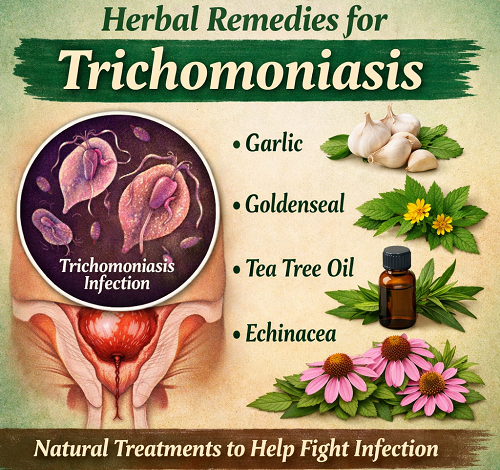
Trichomoniasis is one of the most common sexually transmitted infections (STIs) worldwide. Caused by the parasite Trichomonas vaginalis, this infection can affect both men and women, though it is more often symptomatic in women. Symptoms may include vaginal discharge, itching, burning sensation during urination, and discomfort during intercourse. In men, trichomoniasis is often asymptomatic but can cause urethral irritation and discharge in some cases.
While conventional treatments like antibiotics are widely used, many people are exploring natural alternatives that may support healing, boost immunity, and prevent recurrence. Herbal remedies have gained attention for their potential effectiveness in managing trichomoniasis safely and naturally. The most effective herbal remedies for trichomoniasis, their benefits, and how to use them safely.
Understanding Trichomoniasis
Before diving into herbal solutions, it is crucial to understand the infection itself. Trichomoniasis is transmitted primarily through sexual contact, although sharing contaminated towels or personal hygiene items can sometimes contribute to transmission. If left untreated, trichomoniasis can increase susceptibility to other infections, including HIV, and in pregnant women, it may lead to premature birth or low birth weight.
Conventional medicine typically prescribes antibiotics like metronidazole or tinidazole to eradicate the infection. While effective, antibiotics may sometimes lead to side effects such as nausea, diarrhea, and yeast infections. Furthermore, some strains are developing resistance, prompting interest in herbal remedies for trichomoniasis as complementary or preventive options.
Why Consider Herbal Remedies?
Herbal remedies have been used for centuries to treat infections naturally. They are often preferred for the following reasons:
- Fewer Side Effects: Compared to synthetic drugs, herbs are generally gentler on the digestive and immune systems.
- Immune Support: Many herbs enhance immune function, helping the body fight off infections more efficiently.
- Anti-Parasitic Properties: Certain plants possess natural antimicrobial and antiparasitic compounds.
- Symptom Relief: Herbs can reduce inflammation, itching, and discomfort associated with trichomoniasis.
It is essential to note that while herbal remedies can support healing, they are most effective when combined with proper medical guidance, hygiene, and lifestyle adjustments.
Top Herbal Remedies for Trichomoniasis
Here are some of the most effective herbal remedies that have shown potential in combating trichomoniasis:
1. Garlic (Allium sativum)
Garlic is a powerhouse of natural antimicrobial compounds, including allicin, which has demonstrated effectiveness against a range of pathogens, including parasites.
How to Use:
- Consume 2–3 raw garlic cloves daily with meals.
- Garlic supplements can be taken as per recommended dosage.
- For topical relief, garlic-infused oil may be applied externally in mild cases, but avoid direct contact with sensitive mucous membranes to prevent irritation.
Benefits: Garlic not only helps fight the infection but also supports overall immunity.
2. Goldenseal (Hydrastis canadensis)
Goldenseal contains berberine, an alkaloid known for its antimicrobial and anti-inflammatory properties. It is often used to manage vaginal infections, including trichomoniasis.
How to Use:
- Goldenseal capsules or tinctures can be taken according to package instructions.
- A goldenseal wash can be prepared by diluting the extract with water for external cleansing (avoid internal use unless under supervision).
Benefits: Reduces inflammation, promotes healing, and helps fight microbial infections.
3. Neem (Azadirachta indica)
Neem is widely recognized in traditional medicine for its antiparasitic and antimicrobial properties. Studies suggest that neem can inhibit the growth of Trichomonas vaginalis.
How to Use:
- Neem leaves can be boiled in water to make a decoction for washing the affected area.
- Neem oil diluted with a carrier oil can be used externally for relief from irritation.
Benefits: Neem promotes a healthier vaginal environment and may prevent recurrence.
4. Tea Tree Oil (Melaleuca alternifolia)
Tea tree oil is known for its strong antifungal, antibacterial, and antiparasitic properties. It can be a helpful external remedy to reduce itching and irritation.
How to Use:
- Always dilute tea tree oil with a carrier oil (e.g., coconut oil) before applying externally.
- Use a cotton pad to gently apply the solution to the affected area.
- Do not ingest tea tree oil.
Benefits: Relieves itching, reduces inflammation, and may inhibit parasitic growth.
5. Echinacea (Echinacea purpurea)
Echinacea is primarily known for boosting the immune system, helping the body fight infections more efficiently. While it does not directly kill parasites, it strengthens the body’s natural defenses.
How to Use:
- Take echinacea supplements or teas daily.
- Echinacea tinctures can be added to warm water and consumed 2–3 times daily.
Benefits: Enhances immunity, reduces inflammation, and promotes faster recovery.
6. Goldthread (Coptis chinensis)
Goldthread contains berberine, similar to goldenseal, making it effective against parasitic infections. It is particularly used in traditional Chinese medicine to address infections like trichomoniasis.
How to Use:
- Goldthread root can be boiled to prepare a tea or decoction.
- Supplements are available for standardized doses.
Benefits: Natural antimicrobial action and supports urinary tract health.
7. Cranberry (Vaccinium macrocarpon)
Cranberry is well-known for preventing urinary tract infections. While it may not directly eliminate Trichomonas vaginalis, it helps maintain a healthy urinary and vaginal environment, reducing the risk of secondary infections.
How to Use:
- Drink unsweetened cranberry juice daily.
- Cranberry supplements are available as capsules or tablets.
Benefits: Helps restore natural pH balance, reduces irritation, and supports urinary tract health.
8. Calendula (Calendula officinalis)
Calendula is an herbal remedy with anti-inflammatory and antimicrobial properties. It can soothe irritated skin and mucous membranes affected by trichomoniasis.
How to Use:
- Prepare a calendula tea for washing the affected area externally.
- Calendula cream or ointment can be applied externally to reduce inflammation.
Benefits: Reduces redness, itching, and discomfort.
9. Turmeric (Curcuma longa)
Turmeric contains curcumin, a compound known for its potent anti-inflammatory and antimicrobial properties. It can support healing when used both internally and externally.
How to Use:
- Take turmeric capsules or add turmeric powder to meals.
- Turmeric paste can be applied externally on irritated skin (avoid sensitive areas).
Benefits: Reduces inflammation, supports immunity, and aids in tissue repair.
10. Olive Leaf (Olea europaea)
Olive leaf extract is rich in oleuropein, a compound with antimicrobial and immune-boosting effects. It may help in fighting parasitic infections naturally.
How to Use:
- Olive leaf capsules or tinctures can be consumed as per dosage instructions.
- Olive leaf tea can be prepared by steeping dried leaves in hot water.
Benefits: Helps combat infection, enhances immunity, and promotes overall wellness.
Lifestyle Tips to Support Healing
In addition to using herbal remedies for trichomoniasis, adopting certain lifestyle habits can help manage symptoms and prevent recurrence:
- Maintain Good Hygiene: Regular washing of genital areas with mild, non-irritating cleansers. Avoid harsh soaps.
- Wear Breathable Clothing: Cotton underwear allows ventilation, reducing moisture that can promote parasite growth.
- Safe Sexual Practices: Use condoms and avoid sexual contact until treatment is complete.
- Boost Immunity: A balanced diet rich in fruits, vegetables, and whole grains supports your body’s natural defenses.
- Stay Hydrated: Drinking plenty of water helps flush out toxins and supports urinary tract health.
- Avoid Irritants: Limit use of scented soaps, douches, and feminine sprays that may disrupt natural vaginal flora.
Precautions When Using Herbal Remedies
While herbal remedies are generally safe, certain precautions should be considered:
- Consult a Healthcare Provider: Before starting any herbal treatment, especially if pregnant, nursing, or taking other medications.
- Avoid Overuse: Excessive use may lead to irritation or side effects.
- Quality Matters: Use high-quality, standardized herbal products to ensure safety and effectiveness.
- Monitor Symptoms: If symptoms persist or worsen, seek medical attention immediately.
Integrating Herbal Remedies with Conventional Treatments
For persistent or severe trichomoniasis, herbal remedies can complement conventional antibiotic therapy rather than replace it. Combining herbal remedies with medical treatment can help:
- Reduce side effects of antibiotics.
- Boost immunity and prevent reinfection.
- Promote faster healing and symptom relief.
Always inform your healthcare provider about any herbs or supplements you are using to avoid interactions.
Conclusion
Herbal remedies offer a natural approach to managing trichomoniasis, promoting healing, and preventing recurrence. Herbs like garlic, goldenseal, neem, tea tree oil, and echinacea have demonstrated antimicrobial, antiparasitic, and immune-boosting properties that may support recovery. By combining these remedies with proper hygiene, lifestyle changes, and, when necessary, conventional treatments, individuals can manage trichomoniasis more effectively and naturally.
While herbal remedies are promising, they should be used responsibly, under guidance, and as part of a comprehensive approach to sexual and reproductive health. Exploring the healing power of herbs empowers individuals to take a proactive role in managing infections while supporting overall well-being.