Top Herbal Remedies for Myocardial Ischemia to Support Heart Health Naturally

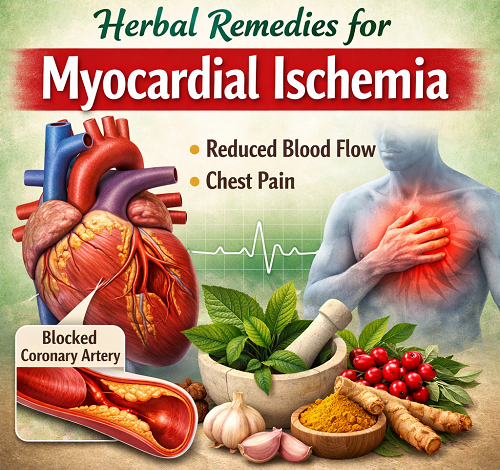
Myocardial ischemia is a serious condition that occurs when blood flow to the heart muscle is reduced, often due to narrowed or blocked coronary arteries. This reduced blood supply limits oxygen delivery to the heart, which can lead to chest pain (angina), fatigue, and in severe cases, heart attacks. While conventional medical treatments remain essential, many people are turning toward Herbal Remedies for Myocardial Ischemia as supportive options to promote heart health naturally.
The most effective Natural Remedies for Myocardial Ischemia, how they work, and how to incorporate them safely into your daily routine.
Understanding Myocardial Ischemia
Before diving into herbal solutions, it’s important to understand the root cause of myocardial ischemia. The condition is commonly associated with:
- Coronary artery disease (CAD)
- High cholesterol levels
- High blood pressure
- Smoking
- Diabetes
- Sedentary lifestyle
When arteries become narrowed due to plaque buildup (atherosclerosis), the heart muscle receives insufficient oxygen, leading to symptoms like:
- Chest discomfort or pressure
- Shortness of breath
- Irregular heartbeat
- Fatigue
Managing these underlying causes is key, and Herbal Remedies for Myocardial Ischemia can play a supportive role alongside medical treatment.
Why Choose Herbal Remedies?
Herbal medicine has been used for centuries to support cardiovascular health. Many herbs contain powerful antioxidants, anti-inflammatory compounds, and natural vasodilators that help improve blood circulation and protect heart tissues.
Benefits of using Natural Remedies for Myocardial Ischemia include:
- Improved blood flow
- Reduced inflammation
- Lower cholesterol levels
- Enhanced oxygen delivery to the heart
- Minimal side effects when used correctly
Top Herbal Remedies for Myocardial Ischemia
1. Hawthorn (Crataegus)
Hawthorn is one of the most well-known Herbal Remedies for Myocardial Ischemia. It has been widely used to support heart function and improve circulation.
Benefits:
- Dilates blood vessels
- Improves blood flow to the heart
- Strengthens heart muscle contractions
- Reduces blood pressure
How to Use:
Hawthorn can be consumed as tea, capsules, or tincture. Regular use may help reduce symptoms of angina and improve overall heart health.
2. Garlic (Allium sativum)
Garlic is a powerful natural remedy known for its cardiovascular benefits.
Benefits:
- Lowers LDL (bad cholesterol)
- Prevents blood clot formation
- Improves arterial flexibility
- Enhances circulation
How to Use:
Consume raw garlic cloves or take garlic supplements daily. Adding garlic to meals is also an easy way to benefit from its properties.
3. Turmeric (Curcuma longa)
Turmeric contains curcumin, a potent anti-inflammatory and antioxidant compound.
Benefits:
- Reduces inflammation in blood vessels
- Prevents plaque buildup
- Improves endothelial function
- Supports overall heart health
How to Use:
Add turmeric to food or take it as a supplement with black pepper for better absorption.
4. Ginger (Zingiber officinale)
Ginger is another effective herb for cardiovascular support.
Benefits:
- Improves blood circulation
- Reduces cholesterol levels
- Prevents blood clotting
- Supports healthy blood pressure
How to Use:
Drink ginger tea or add fresh ginger to meals regularly.
5. Ginkgo Biloba
Ginkgo biloba is known for enhancing blood circulation and oxygen delivery.
Benefits:
- Improves blood flow to the heart
- Reduces oxidative stress
- Enhances oxygen supply to tissues
- Supports vascular health
How to Use:
Available in capsule or extract form, typically taken once or twice daily.
6. Arjuna (Terminalia arjuna)
Arjuna is a traditional Ayurvedic herb widely used for heart conditions.
Benefits:
- Strengthens heart muscles
- Improves coronary artery circulation
- Reduces angina symptoms
- Helps regulate blood pressure
How to Use:
Arjuna bark powder or capsules can be taken under guidance.
7. Green Tea
Green tea is rich in antioxidants called catechins.
Benefits:
- Reduces cholesterol levels
- Improves arterial function
- Prevents plaque formation
- Supports heart health
How to Use:
Drink 2–3 cups of green tea daily for best results.
8. Cayenne Pepper (Capsicum)
Cayenne pepper contains capsaicin, which promotes circulation.
Benefits:
- Improves blood flow
- Reduces blood pressure
- Prevents clot formation
- Supports cardiovascular function
How to Use:
Add small amounts to meals or take in capsule form.
9. Ashwagandha (Withania somnifera)
Ashwagandha is an adaptogenic herb that helps reduce stress, a key factor in heart disease.
Benefits:
- Reduces stress hormones
- Improves heart function
- Supports healthy cholesterol levels
- Enhances overall cardiovascular health
How to Use:
Available in powder or capsule form.
10. Flaxseed
Flaxseed is rich in omega-3 fatty acids and fiber.
Benefits:
- Lowers cholesterol levels
- Reduces inflammation
- Supports healthy blood vessels
- Improves heart health
How to Use:
Add ground flaxseed to smoothies, yogurt, or meals.
Lifestyle Tips to Enhance Herbal Remedies
While Herbal Remedies for Myocardial Ischemia are beneficial, combining them with a healthy lifestyle will maximize results.
1. Adopt a Heart-Healthy Diet
- Eat more fruits and vegetables
- Include whole grains
- Avoid processed foods and trans fats
- Reduce salt intake
2. Exercise Regularly
Engage in moderate physical activity such as walking, cycling, or yoga for at least 30 minutes a day.
3. Manage Stress
Practice relaxation techniques like meditation, deep breathing, or mindfulness.
4. Quit Smoking
Smoking significantly increases the risk of myocardial ischemia.
5. Maintain Healthy Weight
Obesity puts extra strain on the heart.
Precautions and Safety
Although Natural Remedies for Myocardial Ischemia are generally safe, it’s important to take precautions:
- Always consult a healthcare provider before starting any herbal supplement
- Avoid combining herbs with prescribed medications without medical advice
- Monitor for allergic reactions
- Follow recommended dosages
Some herbs may interact with medications such as blood thinners, beta-blockers, or cholesterol-lowering drugs.
When to Seek Medical Help
Herbal remedies should never replace emergency medical care. Seek immediate medical attention if you experience:
- Severe chest pain
- Pain radiating to arm or jaw
- Sudden shortness of breath
- Dizziness or fainting
These could be signs of a heart attack.
Combining Herbal and Conventional Treatments
The best approach to managing myocardial ischemia is an integrative one. Combining Herbal Remedies for Myocardial Ischemia with conventional treatments such as medications, lifestyle changes, and medical procedures can provide optimal results.
Doctors may prescribe:
- Nitroglycerin
- Beta-blockers
- Statins
- Antiplatelet drugs
Herbal remedies can complement these treatments by improving overall cardiovascular health.
Final Thoughts
Myocardial ischemia is a serious condition that requires proper medical attention, but incorporating Herbal Remedies for Myocardial Ischemia can significantly support heart health naturally. From hawthorn and garlic to turmeric and Arjuna, these herbs offer powerful benefits that enhance circulation, reduce inflammation, and protect the heart.
By combining these Natural Remedies for Myocardial Ischemia with a healthy lifestyle, you can take proactive steps toward better cardiovascular health and improved quality of life.