Top Herbal Remedies for Juvenile Rheumatoid Arthritis That Support Joint Health

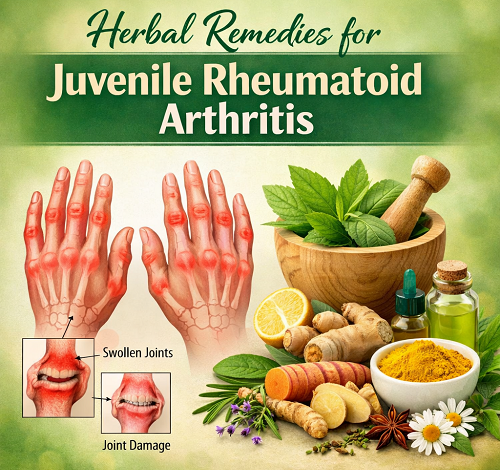
Juvenile Rheumatoid Arthritis (JRA), more accurately known today as Juvenile Idiopathic Arthritis (JIA), is a chronic inflammatory condition that affects children under the age of 16. It can cause persistent joint pain, swelling, stiffness, and fatigue. For many families, managing symptoms becomes a long-term journey involving medication, physical therapy, and lifestyle adjustments.
Alongside conventional medical treatment, many parents explore Herbal Remedies for Juvenile Rheumatoid Arthritis to help support joint comfort, mobility, and overall well-being. While herbal approaches are not a cure, certain herbs may provide complementary support by reducing inflammation, boosting immunity balance, and promoting joint health.
The most effective Herbal Remedies that may support children dealing with juvenile arthritis — always with safety and medical supervision in mind.
Understanding Juvenile Rheumatoid Arthritis
Juvenile Rheumatoid Arthritis is an autoimmune condition in which the immune system mistakenly attacks healthy joint tissues. It can affect one joint or multiple joints and may even impact the eyes or internal organs in certain cases.
Common symptoms include:
- Joint swelling and pain
- Morning stiffness
- Reduced range of motion
- Fatigue
- Occasional fever or rash
Medical treatment typically includes NSAIDs, DMARDs, biologics, and physical therapy. However, integrative approaches using Herbal Remedies for Juvenile Rheumatoid Arthritis are increasingly being studied for their anti-inflammatory and immune-modulating properties.
Top Herbal Remedies for Juvenile Rheumatoid Arthritis
Below are some of the most researched and traditionally used herbs that may support joint health in children — always under professional guidance.
1. Turmeric (Curcuma longa)
Turmeric is one of the most well-known anti-inflammatory herbs in the world. Its active compound, curcumin, has been widely studied for its ability to reduce inflammatory markers.
How It Helps:
- Reduces joint inflammation
- Supports immune balance
- May decrease stiffness
- Provides antioxidant protection
Curcumin works by inhibiting inflammatory pathways such as NF-kB and cytokine production. Some pediatric rheumatologists allow turmeric in dietary forms (like golden milk) or in carefully dosed supplements.
Important: Curcumin supplements should only be used under pediatric supervision due to dosing considerations.
2. Ginger (Zingiber officinale)
Ginger is another powerful anti-inflammatory herb that may complement Herbal Remedies for Juvenile Rheumatoid Arthritis.
Benefits:
- Reduces pain and swelling
- Supports circulation
- Aids digestion (important when children take medications)
Ginger contains compounds called gingerols and shogaols, which help reduce inflammatory chemicals in the body. Mild ginger tea or small dietary additions may be safe for children when recommended by a healthcare provider.
3. Boswellia (Indian Frankincense)
Boswellia serrata has been used in Ayurvedic medicine for centuries for joint disorders.
How It Works:
- Blocks inflammatory enzymes (5-LOX pathway)
- May improve joint mobility
- Supports cartilage preservation
Boswellia is often used in adult arthritis cases, but pediatric use should be guided strictly by a specialist. It may help reduce joint stiffness when combined with conventional therapy.
4. Ashwagandha (Withania somnifera)
Ashwagandha is an adaptogenic herb known for immune modulation and stress reduction.
Potential Benefits:
- Supports immune system regulation
- Reduces stress-related inflammation
- Enhances overall vitality
Since JRA is an autoimmune condition, immune balance is essential. Ashwagandha may help regulate immune overactivity, but pediatric dosing must be handled cautiously.
5. Green Tea (Camellia sinensis)
Green tea contains epigallocatechin gallate (EGCG), a powerful antioxidant.
Joint Health Support:
- Reduces oxidative stress
- May protect cartilage
- Helps calm inflammatory responses
While strong green tea extracts are not suitable for young children, mild green tea consumption in older children (with doctor approval) may provide antioxidant benefits.
6. Devil’s Claw (Harpagophytum procumbens)
Devil’s Claw is traditionally used for joint discomfort and inflammation.
Benefits:
- May reduce pain perception
- Supports joint flexibility
- Acts as a natural anti-inflammatory
This herb is more commonly used in adults, and pediatric usage should be strictly monitored due to potency.
7. Willow Bark (Salix alba)
Willow bark contains salicin, a natural compound related to aspirin.
How It Helps:
- May reduce mild joint pain
- Acts as natural analgesic
- Supports inflammation control
Because of its aspirin-like properties, it should only be used under medical supervision in children.
Supporting Joint Health Naturally
In addition to specific Herbal Remedies for Juvenile Rheumatoid Arthritis, lifestyle habits significantly impact outcomes.
1. Anti-Inflammatory Diet
- Omega-3 rich foods (flaxseed, chia seeds)
- Colorful fruits and vegetables
- Limited processed sugars
- Adequate hydration
2. Gentle Physical Activity
- Swimming
- Stretching
- Yoga for children
- Physical therapy exercises
3. Adequate Rest
Children with JRA often experience fatigue. Balanced rest and activity cycles are crucial.
Safety Considerations When Using Herbal Remedies
When considering Herbal Remedies for Juvenile Rheumatoid Arthritis, safety is the top priority.
Important Guidelines:
- Always consult a pediatric rheumatologist
- Avoid self-dosing
- Watch for allergic reactions
- Check herb-drug interactions
- Use high-quality, reputable brands
Some herbs can interact with:
- NSAIDs
- Methotrexate
- Biologic medications
Professional guidance ensures herbs complement rather than interfere with treatment.
Do Herbal Remedies Cure Juvenile Rheumatoid Arthritis?
It is essential to clarify that Herbal Remedies do not cure Juvenile Rheumatoid Arthritis. However, they may:
- Help reduce inflammation
- Support immune balance
- Improve comfort
- Enhance overall well-being
They work best as complementary support within a comprehensive treatment plan.
When to Seek Immediate Medical Care
Parents should seek urgent medical help if a child experiences:
- High fever
- Severe joint swelling
- Eye pain or vision changes
- Difficulty walking
- Persistent fatigue
Early and consistent medical treatment prevents long-term joint damage.
Final Thoughts
Exploring Herbal Remedies for Juvenile Rheumatoid Arthritis can be part of a thoughtful, integrative approach to supporting children with chronic joint inflammation. Herbs like turmeric, ginger, boswellia, and green tea show promise in reducing inflammation and supporting joint health.
However, the key is balance — herbal support should always complement, not replace, medical treatment. With proper supervision, lifestyle care, and targeted natural support, children with JRA can maintain mobility, reduce discomfort, and enjoy a better quality of life.
If you’re considering Herbal Remedies, speak with your child’s healthcare provider to create a safe, personalized plan tailored to their needs.