
Eye health is essential to overall well-being, yet certain serious conditions like eye melanoma can threaten vision and quality of life. While conventional medical treatments such as surgery, radiation therapy, and laser therapy remain the primary approaches for managing this condition, many people seek complementary options to support overall eye wellness. This has led to growing interest in Herbal Remedies for Eye Melanoma.
What eye melanoma is, how it affects the body, and the top herbal remedies that may help support eye health naturally. It is important to remember that herbal approaches should never replace professional medical treatment but may serve as supportive care under proper medical supervision.
Understanding Eye Melanoma
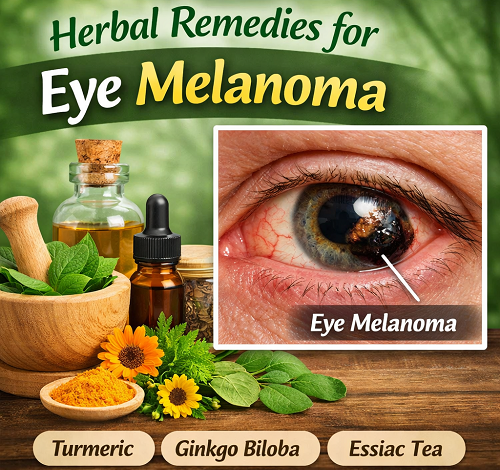
Eye melanoma, also known as ocular melanoma or uveal melanoma, is a rare but serious type of cancer that develops in the pigment-producing cells of the eye. It most commonly affects the uvea, which includes the iris, ciliary body, and choroid.
Common Symptoms May Include:
- Blurred or distorted vision
- Dark spots on the iris
- Flashes of light
- Loss of peripheral vision
- Eye pain (in advanced cases)
Because early-stage eye melanoma may not cause noticeable symptoms, regular eye examinations are critical for early detection.
Why Consider Herbal Support?
While medical intervention is crucial, some individuals explore Herbal Remedies for Eye Melanoma to:
- Support immune system function
- Reduce oxidative stress
- Promote cellular protection
- Improve overall eye health
- Support recovery during conventional treatment
10 Herbal Remedies for Eye Melanoma
Many herbal plants contain antioxidants, anti-inflammatory compounds, and immune-modulating properties that may contribute to general wellness.
Let’s explore the top options.
1. Turmeric (Curcuma longa)
Turmeric is widely known for its powerful anti-inflammatory and antioxidant properties. The active compound, curcumin, has been extensively studied for its potential anti-cancer effects.
How It May Help:
- Helps reduce oxidative stress
- Supports immune system balance
- May inhibit abnormal cell growth (based on laboratory studies)
- Promotes anti-inflammatory activity
Curcumin’s antioxidant properties may help protect healthy eye tissues from free radical damage.
How to Use:
- Turmeric tea
- Curcumin supplements
- Added to warm milk or food
For better absorption, turmeric is often combined with black pepper (piperine).
2. Green Tea (Camellia sinensis)
Green tea contains powerful polyphenols known as catechins, particularly EGCG (epigallocatechin gallate).
Potential Benefits:
- Strong antioxidant support
- Helps reduce cellular stress
- Supports healthy immune response
- May slow abnormal cell activity (in laboratory research)
Green tea is considered one of the most researched Herbal Remedies for overall wellness.
How to Use:
- 2–3 cups of freshly brewed green tea daily
- Green tea extract capsules (under supervision)
3. Milk Thistle (Silybum marianum)
Milk thistle is primarily known for liver health, but it also has potent antioxidant properties due to silymarin.
Why It May Be Helpful:
- Supports detoxification pathways
- Helps combat oxidative damage
- Protects cells from inflammation
- Promotes overall systemic balance
Because the liver plays a role in filtering toxins, supporting it may indirectly support overall health during treatment.
4. Ginkgo Biloba
Ginkgo biloba has long been used to improve blood circulation and cognitive function. It may also support eye health.
Potential Eye Benefits:
- Enhances blood flow to the retina
- Supports oxygen delivery to tissues
- Reduces oxidative stress
- Promotes healthy visual function
Improved circulation may help maintain healthier ocular tissues.
5. Bilberry (Vaccinium myrtillus)
Bilberry is rich in anthocyanins, which are powerful antioxidants known for supporting eye health.
Key Benefits:
- Strengthens blood vessels
- Supports retinal function
- Protects against free radical damage
- May help reduce inflammation
Bilberry is often used in natural eye health formulas due to its visual-supporting properties.
6. Ashwagandha (Withania somnifera)
Ashwagandha is an adaptogenic herb widely used in traditional medicine to help the body manage stress.
How It May Support:
- Enhances immune system regulation
- Reduces inflammation
- Helps balance stress hormones
- Supports cellular health
Chronic stress can weaken immune defense, so adaptogens like ashwagandha may provide indirect support.
7. Garlic (Allium sativum)
Garlic is well known for its immune-supportive and anti-inflammatory effects.
Possible Benefits:
- Boosts immune response
- Contains sulfur compounds with antioxidant properties
- Supports healthy circulation
- Promotes anti-inflammatory activity
Garlic may help create a supportive internal environment for overall wellness.
8. Aloe Vera
Aloe vera is rich in antioxidants, vitamins, and anti-inflammatory compounds.
Why Consider It:
- Supports immune function
- Provides antioxidant activity
- Helps reduce inflammation
- Supports detoxification
It is commonly consumed as aloe vera juice (internally) for systemic health support.
9. Reishi Mushroom (Ganoderma lucidum)
Reishi mushroom has been used for centuries in traditional medicine for immune support.
Potential Benefits:
- Immune modulation
- Anti-inflammatory support
- Antioxidant properties
- Promotes overall vitality
Reishi is often considered one of the most powerful Herbal Remedies for Eye Melanoma in complementary wellness practices due to its immune-supporting qualities.
10. Omega-Rich Herbal Oils (Flaxseed)
Flaxseed contains omega-3 fatty acids and lignans.
Benefits for Eye Health:
- Reduces inflammation
- Supports tear production
- Protects ocular tissues
- Provides antioxidant compounds
Healthy fats are essential for maintaining cell membrane integrity in eye tissues.
The Role of Antioxidants in Eye Health
Oxidative stress plays a significant role in cellular damage. Many Herbal Remedies for Eye Melanoma are rich in antioxidants that help neutralize free radicals.
Antioxidants may help:
- Protect healthy cells
- Support immune surveillance
- Reduce inflammatory responses
- Promote overall eye tissue protection
However, these effects are supportive and not curative.
Important Safety Considerations
Before using any herbal supplements, consider the following:
- Always consult an oncologist or healthcare provider.
- Some herbs may interact with chemotherapy or radiation.
- Dosage matters — more is not always better.
- Quality of supplements is crucial.
- Pregnant or breastfeeding individuals should exercise caution.
Never delay conventional medical treatment in favor of herbal approaches.
Integrating Herbal Support with Conventional Treatment
If approved by your doctor, herbal support may be integrated alongside:
- Surgery
- Radiation therapy
- Immunotherapy
- Laser treatments
The goal is not to replace treatment but to enhance overall well-being and possibly reduce side effects.
Lifestyle Habits That Complement Herbal Remedies
Herbs work best when combined with healthy lifestyle practices.
1. Anti-Inflammatory Diet
- Leafy greens
- Colorful vegetables
- Berries
- Healthy fats
- Whole grains
2. Adequate Sleep
Quality sleep supports immune repair mechanisms.
3. Stress Management
Meditation, breathing exercises, and light yoga may improve overall resilience.
4. Regular Eye Checkups
Routine monitoring is essential for early detection and tracking progress.
Can Herbal Remedies Cure Eye Melanoma?
It is critical to understand that there is currently no scientific evidence proving that Herbal Remedies for Eye Melanoma can cure the condition.
Herbs may provide:
- Supportive antioxidant protection
- Immune system modulation
- Inflammation reduction
- General health enhancement
But they should never be considered a standalone treatment for cancer.
Frequently Asked Questions
Are Herbal Remedies safe for eye melanoma?
They may be safe when used under medical supervision. Always consult your healthcare provider.
How long does it take to see benefits?
Herbal support works gradually and varies from person to person.
Can I combine multiple herbs?
Possibly, but professional guidance is strongly recommended to avoid interactions.
Final Thoughts
Eye melanoma is a serious condition requiring immediate and professional medical care. However, supportive wellness strategies may help improve overall health and resilience during treatment. The growing interest in Herbal Remedies for Eye Melanoma reflects a broader desire to integrate natural approaches with modern medicine.
Herbs like turmeric, green tea, bilberry, reishi mushroom, and ginkgo biloba contain powerful antioxidant and anti-inflammatory compounds that may support general eye health and immune function. When used responsibly and under medical supervision, these Herbal Remedies may contribute to a more holistic health strategy.