Top 10 Herbal Remedies for Menorrhagia to Control Heavy Periods Naturally

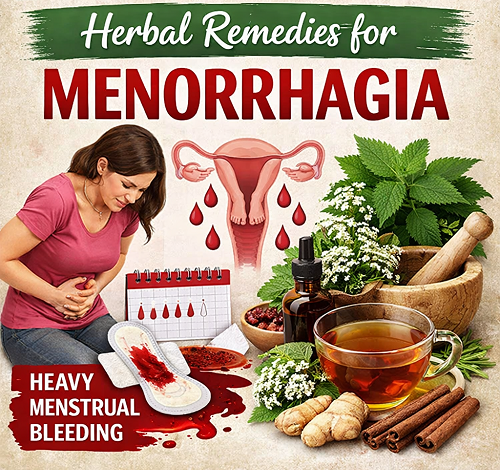
Menorrhagia, commonly known as heavy menstrual bleeding, is a condition that affects many women worldwide. It can disrupt daily life, lead to fatigue, and even cause anemia if left untreated. While medical treatments are available, many women prefer to explore Herbal Remedies for Menorrhagia as a natural and holistic way to manage their symptoms.
The top 10 Herbal Remedies for Menorrhagia, how they work, and how you can incorporate them safely into your routine. These remedies not only aim to reduce excessive bleeding but also support overall reproductive health.
Menorrhagia
Menorrhagia is characterized by:
- Excessive menstrual bleeding lasting more than 7 days
- Needing to change sanitary products every 1–2 hours
- Passing large blood clots
- Fatigue or shortness of breath
Common causes include hormonal imbalance, uterine fibroids, polycystic ovary syndrome (PCOS), thyroid disorders, or certain medications.
While medical consultation is essential for diagnosis, many women turn to Natural Remedies for Menorrhagia to complement their treatment.
Why Choose Herbal Remedies?
Herbal remedies have been used for centuries in traditional medicine systems such as Ayurveda and Traditional Chinese Medicine. They offer:
- Fewer side effects compared to synthetic drugs
- Holistic healing (addressing root causes)
- Hormonal balance support
- Improved uterine health
However, it’s important to use herbs responsibly and consult a healthcare professional when necessary.
Top 10 Herbal Remedies for Menorrhagia
1. Ashoka (Saraca indica)
Ashoka is one of the most effective herbs for female reproductive health.
Benefits:
- Helps regulate menstrual flow
- Strengthens uterine muscles
- Reduces excessive bleeding
How to Use:
- Ashoka bark decoction
- Herbal capsules or powders
2. Shepherd’s Purse
This herb is widely known for its ability to stop bleeding.
Benefits:
- Acts as a natural astringent
- Helps control heavy bleeding quickly
- Supports blood clotting
How to Use:
- Tea made from dried leaves
- Liquid extract
3. Ginger
Ginger is a powerful anti-inflammatory herb that also helps regulate periods.
Benefits:
- Reduces menstrual pain
- Helps manage heavy bleeding
- Improves circulation
How to Use:
- Ginger tea (boil fresh slices in water)
- Add to meals regularly
4. Cinnamon
Cinnamon is known for its warming and balancing properties.
Benefits:
- Helps regulate menstrual cycles
- Reduces heavy bleeding
- Relieves cramps
How to Use:
- Cinnamon tea
- Sprinkle powder in warm milk
5. Turmeric
Turmeric is a natural healer with anti-inflammatory and hormone-balancing effects.
Benefits:
- Regulates hormonal imbalance
- Reduces inflammation
- Controls excessive bleeding
How to Use:
- Turmeric milk
- Add to daily cooking
6. Aloe Vera
Aloe vera is beneficial for hormonal balance and uterine health.
Benefits:
- Helps regulate menstrual flow
- Supports detoxification
- Reduces inflammation
How to Use:
- Fresh aloe vera juice with honey
- Herbal formulations
7. Red Raspberry Leaf
This herb is often called the “woman’s herb.”
Benefits:
- Strengthens uterine walls
- Reduces heavy bleeding
- Improves overall reproductive health
How to Use:
- Herbal tea
- Capsules
8. Chasteberry (Vitex)
Chasteberry is widely used for hormonal balance.
Benefits:
- Regulates estrogen and progesterone levels
- Reduces heavy periods
- Helps with PMS symptoms
How to Use:
- Capsules or tincture
9. Nettle Leaf
Nettle is rich in iron and essential nutrients.
Benefits:
- Prevents anemia caused by heavy bleeding
- Supports blood health
- Reduces excessive flow
How to Use:
- Nettle tea
- Powder supplements
10. Dong Quai
A popular herb in Traditional Chinese Medicine.
Benefits:
- Improves blood circulation
- Regulates menstrual cycle
- Supports hormonal balance
How to Use:
- Capsules
- Herbal blends
How to Use Herbal Remedies Safely
While Herbal Remedies for Menorrhagia are natural, they should still be used with care.
Tips for Safe Use:
- Start with small doses
- Use high-quality herbal products
- Avoid mixing multiple herbs without guidance
- Consult a doctor if you are pregnant or on medication
Lifestyle Tips to Support Herbal Treatment
Herbal remedies work best when combined with healthy lifestyle choices.
1. Maintain a Balanced Diet
- Include iron-rich foods (spinach, dates, lentils)
- Eat fresh fruits and vegetables
- Avoid processed foods
2. Stay Hydrated
Drinking enough water helps maintain proper blood circulation and reduces fatigue.
3. Manage Stress
Stress can worsen hormonal imbalance. Try:
- Yoga
- Meditation
- Deep breathing
4. Exercise Regularly
Light exercise improves blood flow and hormonal balance.
When to See a Doctor
Although Natural Remedies for Menorrhagia can be effective, medical attention is necessary if:
- Bleeding is extremely heavy
- You feel dizzy or weak
- Periods last longer than 10 days
- You suspect underlying conditions
Herbal remedies should complement—not replace—professional care.
Benefits of Herbal Remedies for Menorrhagia
Using Herbal Remedies offers multiple advantages:
- Natural hormone regulation
- Reduced dependency on medication
- Improved reproductive health
- Better overall well-being
These remedies focus on healing the body from within rather than just masking symptoms.
Common Myths About Herbal Remedies
Myth 1: Herbal remedies work instantly
Reality: They take time but provide long-term benefits.
Myth 2: All herbs are safe
Reality: Some herbs can interact with medications.
Myth 3: More herbs mean faster results
Reality: Overuse can cause side effects.
Final Thoughts
Menorrhagia can be challenging, but it is manageable with the right approach. Incorporating Herbal Remedies for Menorrhagia into your routine can provide a natural and effective way to control heavy periods while supporting overall health.
From Ashoka and ginger to red raspberry leaf and chasteberry, these Natural Remedies for Menorrhagia offer a holistic path toward balance and relief. However, consistency and proper usage are key to achieving the best results.
Always listen to your body, maintain a healthy lifestyle, and seek medical advice when needed. With the right combination of herbal care and self-care, you can take control of heavy periods naturally and improve your quality of life.