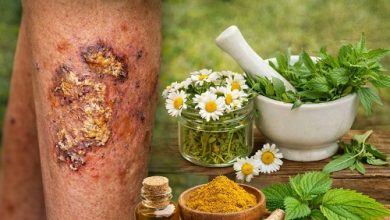
Herbal Remedy for Cellulitis That Helps Reduce Pain and Inflammation Naturally


Cellulitis is a painful and potentially serious skin condition that affects thousands of people every year. Characterized by redness, swelling, warmth, and tenderness, cellulitis often develops when bacteria enter the skin through a cut, wound, or weakened immune barrier. While conventional medical treatment—particularly antibiotics—is essential in severe cases, many people are now exploring natural approaches to complement medical care.
A Herbal Remedy for Cellulitis can play a supportive role in reducing inflammation, easing pain, strengthening immunity, and improving skin recovery. For individuals seeking gentler, plant-based options, Herbal Remedies for Cellulitis offer promising anti-inflammatory, antimicrobial, and healing properties that have been used in traditional medicine for centuries.
How herbal remedies may help reduce pain and inflammation naturally, how they work, which herbs are most effective, and how to use them safely alongside conventional treatment.
Understanding Cellulitis: Causes, Symptoms, and Risks
Cellulitis is a bacterial infection of the deeper layers of the skin, most commonly caused by Streptococcus or Staphylococcus bacteria. These microorganisms enter the skin through:
- Cuts or open wounds
- Insect bites
- Surgical incisions
- Chronic skin conditions like eczema
- Poor circulation or weakened immunity
Common Symptoms of Cellulitis
- Red, swollen skin that spreads rapidly
- Warmth and tenderness in the affected area
- Pain or discomfort
- Fever and chills (in more severe cases)
- Skin tightness or blistering
If left untreated, cellulitis can spread to the bloodstream or lymph nodes, making prompt medical evaluation essential.
Why Consider a Herbal Remedy for Cellulitis?
A Herbal Remedy for Cellulitis does not replace antibiotics when they are medically required. Instead, herbal solutions are commonly used as supportive therapies to:
- Reduce inflammation and swelling
- Ease pain and discomfort
- Support immune system function
- Promote faster skin healing
- Improve circulation and lymphatic drainage
Many herbs contain natural compounds with antibacterial, antifungal, antioxidant, and anti-inflammatory properties. When used responsibly, Herbal Remedies for Cellulitis may enhance the body’s natural healing process and improve overall skin health.
How Herbal Remedies Help Reduce Pain and Inflammation
Inflammation is the body’s natural response to infection, but excessive inflammation can worsen pain and delay healing. Herbal remedies work through several mechanisms:
- Blocking inflammatory pathways
- Reducing oxidative stress
- Supporting lymphatic flow
- Improving blood circulation
- Enhancing immune response
Certain herbs contain bioactive compounds like flavonoids, terpenoids, alkaloids, and polyphenols that help calm inflamed tissues and protect the skin from further damage.
Top Herbal Remedies for Cellulitis Pain and Inflammation
1. Turmeric (Curcuma longa)
Turmeric is one of the most widely researched anti-inflammatory herbs. Its active compound, curcumin, has powerful antioxidant and antibacterial properties.
Benefits:
- Reduces swelling and redness
- Helps relieve pain
- Supports immune response
- Promotes tissue repair
How to Use:
- Taken as capsules or powder mixed with warm water
- Applied topically as a paste (with caution on broken skin)
Turmeric is a cornerstone Herbal Remedy for Cellulitis due to its multi-targeted healing action.
2. Garlic (Allium sativum)
Garlic has strong natural antimicrobial properties and has been used traditionally to fight infections.
Benefits:
- Supports the body’s defense against bacteria
- Reduces inflammation
- Boosts immune function
How to Use:
- Consumed raw or lightly cooked
- Available in odorless supplement form
Garlic works internally to support the immune system while helping control bacterial growth.
3. Calendula (Calendula officinalis)
Calendula is well known for its skin-healing and soothing properties.
Benefits:
- Calms irritated skin
- Supports wound healing
- Reduces redness and pain
- Helps prevent secondary infection
How to Use:
- Applied topically as a cream, ointment, or infused oil
Calendula is especially helpful for external skin support when cellulitis affects surface tissues.
4. Echinacea
Echinacea is a popular immune-boosting herb often used during infections.
Benefits:
- Strengthens immune response
- Reduces inflammation
- Helps the body fight bacterial infections
How to Use:
- Taken as tea, tincture, or capsule
Echinacea supports internal defense mechanisms, making it a valuable part of Herbal Remedies for Cellulitis.
5. Neem (Azadirachta indica)
Neem has a long history in Ayurvedic medicine for treating skin infections.
Benefits:
- Antibacterial and antifungal
- Reduces swelling and redness
- Supports skin detoxification
How to Use:
- Neem leaf extract capsules
- Neem oil (diluted) for external application
Neem is particularly useful in managing recurring skin infections.
6. Ginger (Zingiber officinale)
Ginger contains compounds like gingerols and shogaols that help reduce inflammation and improve circulation.
Benefits:
- Reduces pain and swelling
- Improves blood flow
- Supports immune health
How to Use:
- Ginger tea
- Capsules or powdered ginger in food
Improved circulation helps deliver nutrients to infected areas, promoting healing.
7. Tea Tree Oil
Tea tree oil is widely known for its antibacterial and anti-inflammatory properties.
Benefits:
- Helps inhibit bacterial growth
- Reduces skin inflammation
- Supports surface-level skin healing
How to Use:
- Always diluted with a carrier oil
- Applied topically (never on open wounds without guidance)
Tea tree oil is commonly included in topical Herbal Remedies for Cellulitis.
Internal vs External Herbal Approaches
Internal Herbal Support
Internal remedies focus on:
- Immune system strengthening
- Reducing systemic inflammation
- Supporting lymphatic drainage
Examples include turmeric, garlic, echinacea, and ginger.
External Herbal Support
External remedies aim to:
- Soothe inflamed skin
- Reduce redness and discomfort
- Support local healing
Examples include calendula, neem oil, and diluted tea tree oil.
Using both approaches together may offer a more comprehensive natural support strategy.
Lifestyle Factors That Enhance Herbal Remedies
Herbal treatments work best when combined with supportive lifestyle changes:
Hydration
Adequate water intake helps flush toxins and supports lymphatic circulation.
Anti-Inflammatory Diet
Focus on:
Rest and Elevation
Resting the affected limb and elevating it can reduce swelling and discomfort.
Proper Skin Care
- Keep skin clean and moisturized
- Treat cuts or wounds promptly
- Avoid scratching or irritation
Safety Considerations When Using Herbal Remedies
While Herbal Remedies for Cellulitis are natural, they must be used responsibly:
- Always consult a healthcare provider before starting herbal supplements
- Do not discontinue prescribed antibiotics without medical advice
- Avoid applying herbs to open wounds unless guided by a professional
- Watch for allergic reactions or skin sensitivity
Herbal remedies are most effective as complementary support, not as a replacement for medical treatment in severe cases.
When to Seek Medical Attention
Even when using a Herbal Remedy for Cellulitis, medical care is essential if you experience:
- Rapidly spreading redness
- High fever or chills
- Severe pain
- Swelling that worsens
- Signs of infection spreading
Prompt treatment prevents complications and ensures safe recovery.
Conclusion: A Balanced Natural Approach to Cellulitis Relief
A Herbal Remedy for Cellulitis can play a valuable role in reducing pain, inflammation, and discomfort while supporting the body’s natural healing process. Herbs like turmeric, garlic, calendula, echinacea, neem, and ginger offer anti-inflammatory and immune-supporting benefits that may enhance recovery when used responsibly.
By combining Herbal Remedies for Cellulitis with medical care, healthy lifestyle habits, and proper skin management, individuals can take a holistic approach to managing cellulitis more comfortably and naturally.
Always remember: natural remedies are most effective when used as part of a well-informed, balanced strategy focused on safety, consistency, and professional guidance.