
Herbal Remedies for Ingrown Toenails: Natural Ways to Relieve Pain and Infection Fast

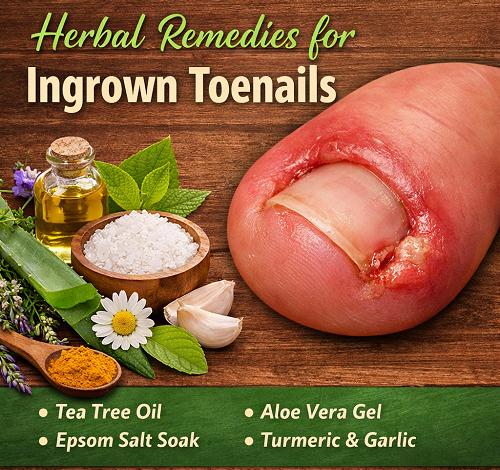
Ingrown toenails are painful, frustrating, and surprisingly common. Whether caused by improper nail trimming, tight shoes, injury, or genetics, this condition can quickly turn from mild discomfort into redness, swelling, and even infection.
If you’re searching for Herbal Remedies for Ingrown Toenails, you’re likely looking for safe, natural solutions that reduce pain and promote healing—without immediately resorting to surgery or harsh chemicals.
How Herbal Remedies can help soothe inflammation, fight infection, and support faster recovery—plus when it’s time to see a doctor.
What Is an Ingrown Toenail?
An ingrown toenail occurs when the edge of the nail grows into the surrounding skin instead of over it. The medical term is onychocryptosis.
Common Symptoms:
- Pain along one or both sides of the nail
- Redness and swelling
- Tenderness when touched
- Warmth around the area
- Pus or drainage (if infected)
The big toe is most often affected, but any toenail can become ingrown.
Why Choose Herbal Remedies for Ingrown Toenails?
Many mild to moderate cases can be managed at home. Herbal Remedies for Ingrown Toenails work by:
- Reducing inflammation
- Fighting bacterial growth
- Drawing out infection
- Softening skin and nail tissue
- Supporting natural healing
They are especially helpful in early stages before severe infection develops.
Top Herbal Remedies for Ingrown Toenails
Below are the most effective natural options backed by traditional use and modern understanding of plant-based healing.
1. Tea Tree Oil – Natural Antibacterial Powerhouse
Tea tree oil is one of the most powerful plant-based antimicrobials.
Why It Works:
- Kills bacteria and fungi
- Reduces swelling
- Prevents infection spread
- Speeds up tissue repair
How to Use:
- Soak your foot in warm water for 15–20 minutes.
- Dry thoroughly.
- Mix 2–3 drops of tea tree oil with a carrier oil (like coconut oil).
- Apply directly to the affected area twice daily.
Consistency is key.
2. Epsom Salt Soak with Herbal Additions
Epsom salt helps soften skin and reduce inflammation. When combined with herbs, its effectiveness increases.
Add These Herbs:
- Chamomile
- Calendula
- Thyme
Method:
- Add 1–2 tablespoons Epsom salt to warm water.
- Add herbal infusion or essential oil.
- Soak foot 20 minutes, 1–2 times daily.
This softens the nail edge and may help lift it gently.
3. Calendula – Skin-Healing Superstar
Calendula is well-known for wound healing.
Benefits:
- Anti-inflammatory
- Antibacterial
- Promotes tissue regeneration
Apply calendula cream or oil directly after soaking. Cover lightly with a breathable bandage.
4. Turmeric Paste – Natural Anti-Inflammatory
Turmeric contains curcumin, a powerful anti-inflammatory compound.
How to Use:
- Mix turmeric powder with a few drops of coconut oil.
- Apply thick paste to affected area.
- Cover with gauze.
- Leave for several hours or overnight.
It helps reduce redness and may slow bacterial growth.
5. Aloe Vera – Cooling and Soothing Relief
Fresh aloe gel provides:
- Immediate pain relief
- Anti-inflammatory action
- Moisturizing support
- Faster healing
Apply pure aloe gel 2–3 times daily.
6. Apple Cider Vinegar Soak
Apple cider vinegar (ACV) has mild antibacterial properties.
Instructions:
- Mix 1 part ACV with 2 parts warm water.
- Soak for 15–20 minutes daily.
ACV can help prevent worsening infection in early stages.
7. Garlic – Traditional Infection Fighter
Garlic contains allicin, known for antimicrobial properties.
Use Carefully:
- Crush fresh garlic.
- Apply briefly (10–15 minutes).
- Remove and rinse.
Do not leave too long, as it can irritate skin.
8. Oregano Oil – Potent Herbal Antiseptic
Oregano oil contains carvacrol, a strong antimicrobial compound.
Always dilute heavily before applying to avoid skin burns.
Step-by-Step Herbal Treatment Plan
If you’re serious about using Herbal Remedies for Ingrown Toenails, follow this structured approach:
Step 1: Daily Soak
Warm water + Epsom salt + chamomile or calendula.
Step 2: Gently Lift Nail Edge
After soaking, use clean cotton or dental floss to carefully lift the nail edge (if tolerable).
Step 3: Apply Herbal Antimicrobial
Tea tree oil, calendula, or turmeric paste.
Step 4: Keep It Clean and Dry
Change socks daily. Wear open-toed shoes when possible.
Step 5: Repeat Twice Daily
Healing often begins within 3–5 days.
Preventing Infection Naturally
Prevention is just as important as treatment.
Natural Prevention Tips:
- Trim nails straight across (not rounded).
- Avoid cutting nails too short.
- Wear wide-toe shoes.
- Keep feet dry.
- Use herbal foot soaks weekly.
Herbal foot care routines can prevent recurrence.
When Herbal Remedies Are Not Enough
While Herbal Remedies for Ingrown Toenails are highly effective for mild cases, medical care may be needed if you notice:
- Increasing swelling
- Severe pain
- Thick pus
- Fever
- Red streaks spreading
- No improvement after 5–7 days
People with diabetes or poor circulation should consult a doctor immediately.
Understanding Infection Risks
An untreated ingrown toenail can develop into:
- Abscess
- Cellulitis
- Chronic infection
- Nail deformity
Natural treatments work best early—don’t delay action.
Diet and Nutrition to Support Healing
Healing isn’t just external.
Add These Nutrients:
- Vitamin C (immune support)
- Zinc (tissue repair)
- Omega-3s (reduce inflammation)
- Garlic (natural antimicrobial support)
- Turmeric (systemic anti-inflammatory)
Hydration also improves skin resilience.
Common Mistakes to Avoid
Even with the best Herbal Remedies, mistakes can slow recovery:
- Cutting the nail corner too deep
- Using undiluted essential oils
- Skipping daily soaking
- Wearing tight shoes
- Ignoring signs of infection
Consistency and proper technique matter.
Frequently Asked Questions
How long do Herbal Remedies for Ingrown Toenails take to work?
Mild cases may improve in 3–5 days. Moderate cases may take 1–2 weeks.
Can herbs cure infected ingrown toenails?
Early infections often respond well. Severe infections require antibiotics or medical care.
Is surgery always necessary?
No. Surgery is usually reserved for chronic or severe recurring cases.
Final Thoughts
Ingrown toenails may seem minor—but they can quickly become painful and infected if ignored. The good news? Early intervention with Herbal Remedies for Ingrown Toenails can dramatically reduce discomfort and prevent complications.
Natural treatments like tea tree oil, calendula, turmeric, and aloe vera provide anti-inflammatory, antibacterial, and healing support—without harsh chemicals.
However, always monitor your symptoms carefully. If pain worsens or infection spreads, seek professional care promptly.