Herbal Remedies for Hyperhidrosis: Control Excessive Sweating Naturally

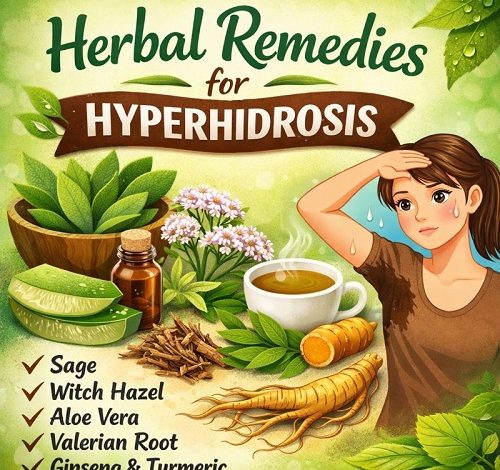
Excessive sweating, medically known as hyperhidrosis, can significantly impact one’s confidence, social life, and daily comfort. While conventional treatments like antiperspirants, medications, and even surgical procedures exist, many people are turning to herbal remedies for hyperhidrosis to manage their condition naturally. These remedies provide a holistic approach, targeting the root causes of excessive sweating while minimizing side effects commonly associated with pharmaceutical treatments.
The most effective Herbal Remedies, their mechanisms, and additional natural remedies for hyperhidrosis that can help restore balance and improve quality of life.
Understanding Hyperhidrosis
Before delving into herbal remedies for hyperhidrosis, it’s essential to understand what causes excessive sweating. Hyperhidrosis occurs when the sweat glands become overactive, producing more sweat than necessary to regulate body temperature. It can be classified into two types:
- Primary Hyperhidrosis: This type has no identifiable medical cause and often affects the palms, feet, underarms, and face. It usually begins in adolescence or early adulthood.
- Secondary Hyperhidrosis: Caused by underlying medical conditions such as thyroid disorders, diabetes, infections, or hormonal imbalances. It can also result from certain medications or menopause.
Excessive sweating may seem purely cosmetic, but it can lead to skin infections, body odor, and emotional stress. Therefore, seeking effective treatments, including herbal remedies, is crucial.
Why Choose Herbal Remedies for Hyperhidrosis?
Modern treatments for hyperhidrosis, including prescription antiperspirants, oral medications, Botox injections, and surgeries, can be effective but may have drawbacks:
- Side effects: Oral medications may cause dry mouth, dizziness, or gastrointestinal issues. Botox injections can be painful and expensive.
- Temporary relief: Many treatments only offer short-term solutions, requiring frequent reapplication or repeat procedures.
- Invasiveness: Surgical interventions carry risks and require recovery time.
In contrast, herbal remedies for hyperhidrosis offer natural, gentle alternatives. They work by regulating sweat gland activity, reducing stress-induced sweating, balancing hormones, and promoting overall skin health. Additionally, these remedies often have antioxidant, antimicrobial, and anti-inflammatory properties that support general wellness.
Top Herbal Remedies for Hyperhidrosis
Several herbs have shown promising results in controlling excessive sweating. Here are some of the most effective herbal remedies:
1. Sage (Salvia officinalis)
Sage is one of the most popular herbal remedies for hyperhidrosis due to its natural astringent properties. It contains tannins that help tighten pores and reduce sweat production.
How to use:
- Sage Tea: Boil 1-2 teaspoons of dried sage leaves in water for 10 minutes. Drink 2-3 cups daily.
- Topical Application: Apply cooled sage tea to underarms or palms using a cotton ball.
Benefits:
- Reduces overactive sweat glands
- Controls body odor
- Rich in antioxidants
2. Chamomile (Matricaria chamomilla)
Chamomile is well-known for its calming effects, which can help reduce stress-induced sweating. Stress is a common trigger for hyperhidrosis, making chamomile a valuable herb.
How to use:
- Chamomile Tea: Steep 1-2 teaspoons of chamomile flowers in hot water for 5-10 minutes. Drink 2 cups daily.
- Compress: Soak a cloth in chamomile tea and apply to affected areas.
Benefits:
- Calms the nervous system
- Reduces stress-related sweating
- Provides anti-inflammatory support
3. Witch Hazel (Hamamelis virginiana)
Witch hazel is an astringent that tightens skin and helps reduce sweat secretion. It’s particularly effective when applied topically to underarms and hands.
How to use:
- Apply witch hazel extract with a cotton ball to areas prone to excessive sweating twice daily.
Benefits:
- Minimizes sweat production
- Soothes irritated skin
- Reduces body odor
4. Green Tea (Camellia sinensis)
Green tea contains tannins and antioxidants that help regulate sweat gland activity. Its calming effects also reduce stress, a major trigger for hyperhidrosis.
How to use:
- Drink 2-3 cups of green tea daily.
- Alternatively, apply cooled green tea to affected areas with a cotton pad.
Benefits:
- Reduces sweating naturally
- Supports skin health
- Improves overall wellbeing
5. Black Cohosh (Actaea racemosa)
Primarily known for balancing hormones in women, black cohosh can help control sweating caused by hormonal fluctuations, such as menopause-related hyperhidrosis.
How to use:
- Take black cohosh supplements or teas as recommended by a healthcare provider.
Benefits:
- Regulates hormonal sweat triggers
- Reduces night sweats
- Supports overall hormonal balance
6. Thyme (Thymus vulgaris)
Thyme has antiseptic and astringent properties that make it useful for controlling hyperhidrosis. It can reduce both sweating and the associated body odor.
How to use:
- Boil thyme leaves in water, let it cool, and apply to affected areas.
- Drink thyme tea to help regulate internal sweat mechanisms.
Benefits:
- Reduces excess sweating
- Prevents bacterial growth on skin
- Provides a refreshing aroma
7. Lemon Balm (Melissa officinalis)
Lemon balm has calming and astringent properties, making it a perfect herbal remedy for stress-induced hyperhidrosis.
How to use:
- Drink lemon balm tea 2-3 times a day.
- Apply lemon balm extract to palms and underarms.
Benefits:
- Soothes nervous system
- Reduces overactive sweat glands
- Enhances mood and relaxation
Other Effective Natural Remedies for Hyperhidrosis
Alongside herbal remedies for hyperhidrosis, several other natural approaches can help control excessive sweating:
1. Apple Cider Vinegar
Apple cider vinegar works as a natural antiperspirant by balancing the body’s pH and reducing bacterial growth on the skin.
How to use:
- Apply diluted apple cider vinegar to underarms, hands, or feet with a cotton ball before bedtime.
- Drink a tablespoon of apple cider vinegar diluted in water daily to regulate internal sweating.
2. Baking Soda
Baking soda neutralizes body odor and absorbs excess moisture, making it a useful natural remedy for hyperhidrosis.
How to use:
- Mix 2 tablespoons of baking soda with water to form a paste and apply to affected areas for 10-15 minutes before washing off.
3. Coconut Oil
Coconut oil contains lauric acid, which has antibacterial properties. While it doesn’t stop sweating, it helps reduce odor and soothe irritated skin.
How to use:
- Massage coconut oil into underarms or palms after cleansing.
4. Dietary Adjustments
Certain foods can trigger excessive sweating. Incorporating natural remedies in your diet can help manage hyperhidrosis.
- Avoid spicy foods, caffeine, and alcohol
- Include sage, green tea, and magnesium-rich foods
- Stay hydrated to regulate body temperature
5. Stress Management Techniques
Stress and anxiety are major triggers of hyperhidrosis. Combining herbal remedies with relaxation techniques enhances effectiveness.
- Practice yoga or meditation daily
- Use deep breathing exercises
- Engage in regular physical activity
Tips for Using Herbal Remedies Safely
While herbal remedies for hyperhidrosis are generally safe, certain precautions are necessary:
- Consult a healthcare provider if you are pregnant, nursing, or taking medications.
- Patch test topical applications to prevent allergic reactions.
- Use consistently for best results; herbal remedies often take time to show noticeable effects.
- Combine approaches: Herbal remedies work best when paired with lifestyle changes, such as diet modifications and stress management.
Lifestyle Practices to Enhance Herbal Treatments
Herbal remedies can be significantly more effective when combined with practical lifestyle changes:
- Wear breathable fabrics like cotton or linen to reduce sweating.
- Maintain hygiene by showering regularly and keeping affected areas dry.
- Use natural absorbents, such as cornstarch or arrowroot powder, to control moisture.
- Manage weight: Excess body weight can increase sweating.
When to Seek Medical Advice
While herbal remedies and other natural treatments can control mild to moderate hyperhidrosis, it’s important to seek medical advice in the following cases:
- Excessive sweating disrupts daily life
- Sweating occurs only on one side of the body
- Accompanied by fever, weight loss, or other unusual symptoms
- Persistent night sweats
A healthcare professional can determine whether your hyperhidrosis is primary or secondary and recommend additional treatment options if necessary.
Conclusion
Excessive sweating can be distressing, but it’s manageable with the right approach. Herbal remedies for hyperhidrosis provide a natural, safe, and effective way to reduce sweat production and improve confidence. Herbs like sage, chamomile, witch hazel, green tea, and black cohosh target overactive sweat glands and stress-induced sweating, while other natural remedies like apple cider vinegar and dietary adjustments support overall management.
By combining herbal remedies, lifestyle changes, and stress management techniques, individuals can take control of hyperhidrosis without relying solely on medications or invasive procedures. With patience and consistency, natural treatments offer a holistic path to comfort, confidence, and freedom from excessive sweating.