Herbal Remedies for Avascular Necrosis That May Help Reduce Pain Naturally

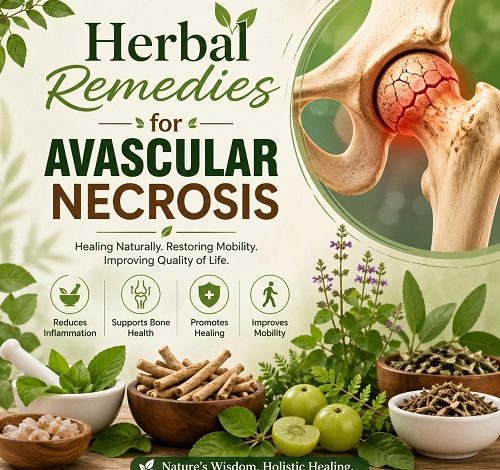
Avascular necrosis (AVN), also known as osteonecrosis, is a painful condition that occurs when blood supply to a bone is disrupted, leading to bone tissue death. Over time, this can result in joint collapse, stiffness, and severe discomfort—most commonly affecting the hips, shoulders, knees, and ankles.
While conventional treatments such as medications, physical therapy, or surgery are often recommended, many individuals are increasingly exploring Herbal Remedies for Avascular Necrosis as a complementary approach to help manage symptoms and improve quality of life. These natural options may support circulation, reduce inflammation, and promote bone health when used responsibly. The most effective Natural Remedies for Avascular Necrosis, how they work, and how you can incorporate them into your daily routine safely.
Understanding Avascular Necrosis
Before diving into remedies, it’s important to understand what causes AVN.
Common Causes:
- Long-term corticosteroid use
- Excessive alcohol consumption
- Trauma or injury to joints
- Blood clotting disorders
- Autoimmune conditions
Symptoms:
- Joint pain (especially with movement)
- Limited range of motion
- Stiffness
- Gradual worsening of pain even at rest
Early intervention is key. While Herbal Remedies cannot reverse advanced bone damage, they may help slow progression and relieve symptoms.
Why Consider Herbal Remedies for Avascular Necrosis?
Many people turn to herbal and natural treatments because they:
- Have fewer side effects compared to synthetic drugs
- Support overall wellness
- Address inflammation and circulation holistically
- Can be used alongside conventional treatments
However, it’s essential to approach these remedies as supportive, not curative.
Top Herbal Remedies for Avascular Necrosis
1. Turmeric (Curcuma longa)
Turmeric is one of the most powerful natural anti-inflammatory herbs.
Benefits:
- Contains curcumin, which reduces inflammation
- Helps alleviate joint pain
- May improve blood circulation
How to Use:
- Add turmeric powder to meals
- Drink turmeric milk (golden milk)
- Take standardized curcumin supplements
2. Ashwagandha (Withania somnifera)
Ashwagandha is an adaptogenic herb widely used in Ayurvedic medicine.
Benefits:
- Reduces stress and inflammation
- Supports bone regeneration
- Enhances immune function
Usage:
- Powder mixed with warm milk
- Capsules or herbal extracts
3. Boswellia (Indian Frankincense)
Boswellia is known for its strong anti-inflammatory properties.
Benefits:
- Reduces joint swelling
- Improves mobility
- Helps in chronic inflammatory conditions
Usage:
- Capsules or resin extracts
- Often combined with other joint-support herbs
4. Ginger (Zingiber officinale)
Ginger is another powerful herb with anti-inflammatory and analgesic effects.
Benefits:
- Reduces pain and stiffness
- Improves blood flow
- Supports digestion and immunity
Usage:
- Fresh ginger tea
- Powder in cooking
- Supplements
5. Guggul (Commiphora mukul)
Guggul is commonly used in Ayurveda for bone and joint disorders.
Benefits:
- Supports bone healing
- Reduces inflammation
- Helps detoxify the body
Usage:
- Tablets or resin extracts under supervision
6. Moringa
Moringa is a nutrient-rich herb packed with vitamins and minerals.
Benefits:
- Rich in calcium and magnesium
- Supports bone strength
- Reduces oxidative stress
Usage:
- Moringa powder in smoothies
- Capsules
7. Devil’s Claw
A traditional African herb known for pain relief.
Benefits:
- Natural analgesic
- Reduces joint inflammation
- Improves mobility
Usage:
- Capsules or teas
Natural Remedies for Avascular Necrosis Beyond Herbs
In addition to herbal solutions, several natural approaches can enhance their effectiveness.
1. Dietary Changes
A nutrient-rich diet plays a vital role in managing AVN.
Recommended Foods:
- Leafy greens (spinach, kale)
- Fatty fish (rich in omega-3)
- Nuts and seeds
- Whole grains
Avoid:
- Alcohol
- Processed foods
- Excess sugar
2. Physical Therapy and Gentle Exercise
Low-impact activities can help maintain joint function.
Best Exercises:
- Swimming
- Cycling
- Yoga
- Stretching routines
Avoid high-impact exercises that strain affected joints.
3. Weight Management
Maintaining a healthy weight reduces pressure on joints, especially the hips and knees.
4. Hot and Cold Therapy
- Cold packs reduce inflammation
- Heat therapy relaxes muscles and improves blood flow
5. Massage Therapy
Massage with herbal oils (like sesame or eucalyptus) may:
- Improve circulation
- Reduce stiffness
- Relieve pain
Lifestyle Tips to Support Recovery
1. Limit Alcohol Intake
Alcohol is a major risk factor for AVN and should be avoided.
2. Quit Smoking
Smoking restricts blood flow and worsens bone health.
3. Stay Hydrated
Proper hydration supports circulation and joint lubrication.
4. Get Enough Rest
Allow your body time to heal and regenerate.
Combining Herbal Remedies with Medical Treatment
It’s important to understand that Herbal Remedies for Avascular Necrosis should complement—not replace—medical care.
Conventional Treatments Include:
- Pain medications
- Bisphosphonates
- Physical therapy
- Surgical procedures (in advanced cases)
Best Approach:
Use a holistic strategy combining:
- Medical guidance
- Herbal support
- Lifestyle modifications
Precautions and Safety Tips
While herbal remedies are natural, they are not risk-free.
Important Guidelines:
- Consult a healthcare provider before starting any herb
- Avoid self-medicating with high doses
- Be cautious of herb-drug interactions
- Choose high-quality, reputable products
Can Herbal Remedies Cure Avascular Necrosis?
This is a critical question.
The honest answer:
Herbal remedies cannot cure advanced AVN or reverse bone death. However, they can:
- Reduce inflammation
- Ease pain
- Support circulation
- Improve overall joint health
When used early and consistently, Natural Remedies for Avascular Necrosis may help slow disease progression and enhance quality of life.
Sample Daily Routine Using Herbal Remedies
Here’s an example of how to incorporate these remedies:
Morning:
- Warm water with turmeric
- Ashwagandha supplement
Afternoon:
- Balanced meal with leafy greens and healthy fats
- Ginger tea
Evening:
- Boswellia or guggul supplement
- Light stretching or yoga
Night:
- Turmeric milk
- Gentle massage with herbal oil
Frequently Asked Questions
1. How long do herbal remedies take to work?
Results vary, but most people notice improvements within a few weeks to months.
2. Are these remedies safe for long-term use?
Many are safe when used properly, but long-term use should be monitored by a professional.
3. Can I combine multiple herbs?
Yes, but it’s best to do so under expert guidance to avoid interactions.
Final Thoughts
Living with avascular necrosis can be challenging, but incorporating Herbal Remedies for Avascular Necrosis into your daily routine may offer meaningful relief. From powerful anti-inflammatory herbs like turmeric and ginger to bone-supporting remedies like moringa and guggul, nature provides a wide range of options to support your healing journey.
While these remedies are not a substitute for medical treatment, they can play a valuable role in a holistic approach. By combining Natural Remedies for Avascular Necrosis with a healthy lifestyle, proper nutrition, and professional care, you can take proactive steps toward reducing pain and improving your overall well-being.