
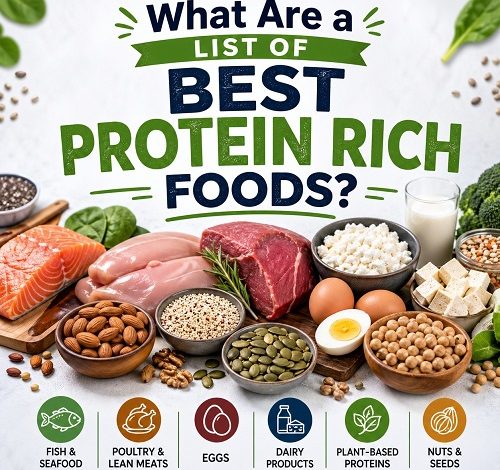
Protein is one of the most essential nutrients your body needs to function properly. Whether you’re looking to build muscle, lose weight, boost energy, or simply maintain a healthy lifestyle, protein plays a crucial role in nearly every biological process. But the big question many people ask is: what are the best protein-rich foods you should be eating today? 15 powerful protein-rich foods that are not only nutritious but also easy to include in your daily diet. From animal-based sources to plant-based options, this list covers everything you need to know to optimize your protein intake.
Why Protein Is So Important
Before diving into the list, it’s important to understand why protein matters so much.
Protein is made up of amino acids, often referred to as the “building blocks of life.” These amino acids are essential for:
- Muscle growth and repair
- Hormone production
- Immune system support
- Healthy skin, hair, and nails
- Enzyme function
If you’re not getting enough protein, your body may experience fatigue, muscle loss, weakened immunity, and slower recovery from illness or exercise.
How Much Protein Do You Need?
The recommended daily intake varies depending on your age, gender, and activity level. On average:
- Sedentary adults: 0.8 grams per kg of body weight
- Active individuals: 1.2–2.0 grams per kg
- Athletes: Up to 2.2 grams per kg
Now, let’s explore the top 15 protein-rich foods you should consider adding to your diet.
15 Best Protein Rich Foods to Try Today
1. Eggs
Eggs are one of the most complete protein sources available. They contain all nine essential amino acids and are incredibly versatile.
Protein Content: ~6 grams per egg
Benefits:
- Supports muscle growth
- Rich in vitamins like B12 and D
- Helps keep you full longer
2. Chicken Breast
Chicken breast is a staple for anyone looking to increase protein intake without consuming excess fat.
Protein Content: ~31 grams per 100g
Benefits:
- Low in fat
- Ideal for muscle building
- Easy to cook in multiple ways
3. Greek Yogurt
Greek yogurt is thicker and richer than regular yogurt, offering significantly more protein.
Protein Content: ~10 grams per 100g
Benefits:
- Great for gut health
- Contains probiotics
- Perfect for breakfast or snacks
4. Lentils
Lentils are an excellent plant-based protein source, especially for vegetarians and vegans.
Protein Content: ~9 grams per 100g (cooked)
Benefits:
- High in fiber
- Supports heart health
- Budget-friendly
5. Salmon
Salmon is not only rich in protein but also packed with omega-3 fatty acids.
Protein Content: ~25 grams per 100g
Benefits:
- Improves brain health
- Supports heart function
- Reduces inflammation
6. Almonds
Almonds are a convenient snack that provides protein along with healthy fats.
Protein Content: ~6 grams per 28g
Benefits:
- Good for heart health
- Rich in vitamin E
- Supports weight management
7. Cottage Cheese
Cottage cheese is a slow-digesting protein, making it perfect for nighttime consumption.
Protein Content: ~11 grams per 100g
Benefits:
- Supports muscle repair overnight
- Low in calories
- High in calcium
8. Quinoa
Quinoa is one of the few plant foods that contains all essential amino acids.
Protein Content: ~8 grams per cup (cooked)
Benefits:
- Gluten-free
- Rich in fiber and minerals
- Great rice alternative
9. Tofu
Tofu is a popular protein source among vegetarians and vegans.
Protein Content: ~10 grams per 100g
Benefits:
- Versatile in cooking
- Low in calories
- Contains iron and calcium
10. Peanut Butter
Peanut butter is both delicious and nutritious when consumed in moderation.
Protein Content: ~8 grams per 2 tablespoons
Benefits:
- Great energy booster
- Contains healthy fats
- Easy to add to meals
11. Chickpeas
Chickpeas, also known as garbanzo beans, are widely used in many cuisines.
Protein Content: ~9 grams per 100g
Benefits:
- Supports digestion
- Helps control blood sugar
- Great for salads and curries
12. Milk
Milk is a complete protein source and provides a range of essential nutrients.
Protein Content: ~8 grams per cup
Benefits:
- Strengthens bones
- Hydrating
- Good for post-workout recovery
13. Oats
Oats are often overlooked as a protein source but offer a decent amount along with fiber.
Protein Content: ~5 grams per cup (cooked)
Benefits:
- Supports heart health
- Keeps you full longer
- Ideal for breakfast
14. Lean Beef
Lean beef is a powerhouse of protein and essential nutrients like iron and zinc.
Protein Content: ~26 grams per 100g
Benefits:
- Supports muscle growth
- Boosts energy levels
- Rich in B vitamins
15. Pumpkin Seeds
Pumpkin seeds are small but packed with nutrients, including protein.
Protein Content: ~7 grams per 28g
Benefits:
- Rich in magnesium
- Supports immune health
- Easy to snack on
Animal vs Plant Protein: Which Is Better?
Both animal and plant-based proteins have their advantages.
Animal Protein
- Complete amino acid profile
- Higher protein density
- Easier for muscle building
Plant Protein
- High in fiber
- Lower in saturated fat
- Better for heart health
Best approach: Combine both for a balanced diet.
Tips to Increase Your Protein Intake
If you want to boost your protein intake, here are some simple tips:
- Add eggs or yogurt to breakfast
- Snack on nuts and seeds
- Include a protein source in every meal
- Replace refined grains with quinoa or oats
- Use legumes like lentils and chickpeas in meals
Common Myths About Protein
Myth 1: More protein is always better
Too much protein can strain kidneys and lead to imbalances.
Myth 2: Only meat has protein
Plant-based foods like lentils, quinoa, and tofu are excellent sources.
Myth 3: Protein is only for bodybuilders
Everyone needs protein for basic body functions.
Protein for Weight Loss
Protein is highly effective for weight loss because it:
- Reduces appetite
- Increases metabolism
- Preserves muscle mass
High-protein diets can help you feel full longer and reduce overall calorie intake.
Protein for Muscle Building
If your goal is muscle growth:
- Focus on high-quality protein sources
- Eat protein after workouts
- Combine with strength training
Foods like chicken, eggs, and lean beef are particularly effective.
Final Thoughts
So, what are a list of best protein rich foods? The answer lies in choosing a variety of nutrient-dense options that fit your lifestyle and dietary preferences.
From eggs and chicken to lentils and quinoa, these 15 powerful protein-rich foods can transform your health, boost your energy, and help you achieve your fitness goals.
The key is balance. Don’t rely on just one source—mix and match different foods to ensure you’re getting all essential amino acids and nutrients.