Top Herbal Remedies for Alzheimer’s Disease to Improve Memory Naturally

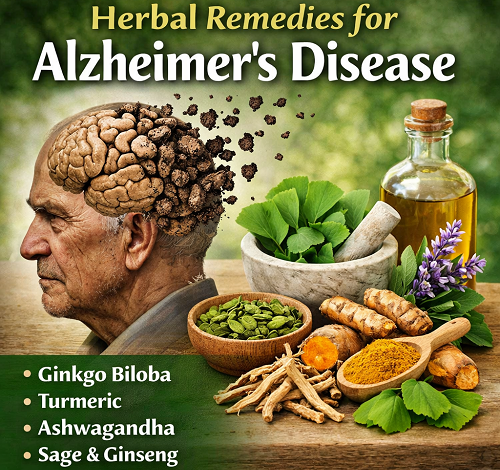
Alzheimer’s disease is a progressive neurological condition that affects memory, thinking, and behavior. As the most common cause of dementia, Alzheimer’s Disease has become a growing concern worldwide. While there is currently no definitive cure, many people are turning toward Herbal Remedies for Alzheimer’s Disease to support brain health and improve cognitive function naturally.
The most effective herbs, their benefits, and how they can be used as part of a holistic approach. If you’re searching for Natural Remedies for Alzheimer’s Disease, this article provides valuable insights backed by traditional knowledge and modern research.
Understanding Alzheimer’s Disease
Alzheimer’s disease gradually damages brain cells, leading to memory loss, confusion, and difficulty performing everyday tasks. It is often associated with:
- Plaque buildup in the brain (beta-amyloid)
- Neurofibrillary tangles
- Oxidative stress and inflammation
- Neurotransmitter imbalances
While pharmaceutical treatments may help manage symptoms, many individuals prefer Herbal Remedies due to their natural origin and fewer side effects.
Why Choose Herbal Remedies for Alzheimer’s Disease?
Herbal medicine has been used for centuries in traditional systems like Ayurveda and Traditional Chinese Medicine. The benefits of using Herbal Remedies for Alzheimer’s Disease include:
- Natural cognitive enhancement
- Antioxidant and anti-inflammatory properties
- Improved blood circulation to the brain
- Reduced risk of side effects compared to synthetic drugs
These remedies aim to support brain function rather than just mask symptoms.
Top Herbal Remedies for Alzheimer’s Disease
1. Ginkgo Biloba
Ginkgo Biloba is one of the most researched herbs for brain health.
Benefits:
- Improves blood flow to the brain
- Enhances memory and focus
- Reduces oxidative stress
Studies suggest that Ginkgo may slow cognitive decline in early stages of Alzheimer’s.
2. Bacopa Monnieri (Brahmi)
Widely used in Ayurveda, Bacopa Monnieri is known for its powerful memory-enhancing properties.
Benefits:
- Boosts memory retention
- Reduces anxiety and stress
- Supports neuron communication
It is particularly effective in improving learning ability and mental clarity.
3. Ashwagandha
Ashwagandha is an adaptogenic herb that helps the body cope with stress.
Benefits:
- Reduces cortisol levels
- Protects brain cells from damage
- Supports overall cognitive function
It may also help in reducing the progression of neurodegenerative disorders.
4. Turmeric (Curcumin)
Turmeric contains curcumin, a compound known for its anti-inflammatory and antioxidant effects.
Benefits:
- Reduces brain inflammation
- Helps clear amyloid plaques
- Enhances memory and mood
Regular consumption may support long-term brain health.
5. Sage (Salvia)
Sage has been traditionally used to improve memory and mental performance.
Benefits:
- Enhances cognitive function
- Supports neurotransmitter activity
- Improves concentration
Sage extracts have shown promising results in Alzheimer’s patients.
6. Gotu Kola
Gotu Kola is another powerful herb used in traditional medicine.
Benefits:
- Improves circulation to the brain
- Supports nerve regeneration
- Enhances memory and focus
It is often used alongside other herbs for synergistic effects.
7. Rosemary
Rosemary is not just a culinary herb—it also supports brain health.
Benefits:
- Improves concentration and memory
- Contains neuroprotective compounds
- Reduces oxidative stress
Even inhaling rosemary aroma may boost cognitive performance.
8. Green Tea (Camellia Sinensis)
Green tea is rich in antioxidants and beneficial compounds.
Benefits:
- Protects brain cells
- Enhances alertness
- Reduces cognitive decline
Its combination of caffeine and L-theanine supports mental clarity.
9. Lion’s Mane Mushroom
This medicinal mushroom is gaining popularity for brain health.
Benefits:
- Stimulates nerve growth factor (NGF)
- Supports brain cell regeneration
- Improves memory and focus
It may help slow the progression of Alzheimer’s symptoms.
10. Ginseng
Ginseng is known for its ability to boost energy and cognitive performance.
Benefits:
- Enhances memory
- Reduces mental fatigue
- Supports brain function
It is widely used in traditional medicine for longevity and mental clarity.
How to Use Herbal Remedies Safely
While Herbal Remedies for Alzheimer’s Disease can be beneficial, it’s important to use them correctly:
- Consult a healthcare professional before starting any herbal treatment
- Use standardized extracts for consistent results
- Follow recommended dosages
- Monitor for potential interactions with medications
Combining multiple herbs should be done carefully under expert guidance.
Lifestyle Tips to Enhance Herbal Benefits
Herbs work best when combined with a healthy lifestyle. Consider the following:
1. Balanced Diet
Include brain-boosting foods such as:
- Leafy greens
- Nuts and seeds
- Fatty fish
2. Regular Exercise
Physical activity improves blood flow to the brain and supports cognitive function.
3. Mental Stimulation
Engage in activities like:
- Reading
- Puzzles
- Learning new skills
4. Quality Sleep
Sleep is essential for memory consolidation and brain repair.
5. Stress Management
Practice:
- Meditation
- Yoga
- Deep breathing
Scientific Perspective on Herbal Remedies
Modern research is increasingly supporting the use of Natural Remedies for Alzheimer’s Disease. Many herbs contain bioactive compounds that:
- Reduce inflammation
- Protect neurons
- Improve neurotransmitter activity
However, more large-scale clinical trials are needed to confirm long-term effectiveness.
Are Herbal Remedies a Cure?
It’s important to understand that Herbal Remedies for Alzheimer’s Disease are not a cure. Instead, they:
- Help manage symptoms
- Support cognitive function
- Improve quality of life
Early intervention and consistent use may provide the best results.
Combining Herbal and Conventional Treatments
For optimal care, many experts recommend integrating herbal remedies with conventional treatments. This approach:
- Enhances overall effectiveness
- Reduces side effects
- Provides holistic support
Always consult a healthcare provider before combining therapies.
Final Thoughts
Alzheimer’s disease can be challenging, but natural approaches offer hope. By incorporating Herbal Remedies for Alzheimer’s Disease into your daily routine, you can support brain health and potentially slow cognitive decline.
From Ginkgo Biloba to Ashwagandha and Turmeric, these herbs provide powerful benefits when used correctly. Combined with a healthy lifestyle, they form a strong foundation for improving memory and overall well-being.
If you’re exploring Natural Remedies for Alzheimer’s Disease, start with small, consistent changes and seek professional guidance for the best results.