Effective Herbal Remedies for Candidiasis to Relieve Itching and Discomfort

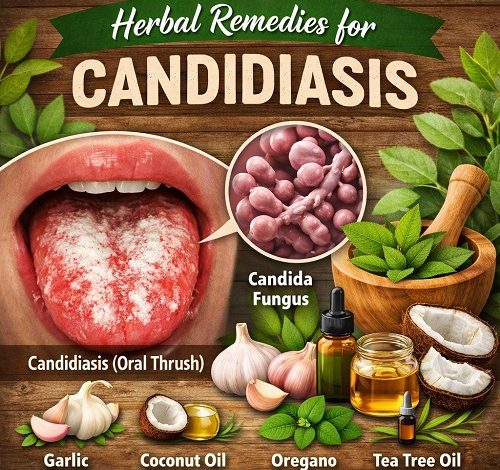
Candidiasis is a common fungal infection that affects millions of people worldwide. Whether it appears as oral thrush, vaginal yeast infection, skin rashes, or digestive imbalance, the itching, burning, and irritation can be extremely uncomfortable. Many individuals seek Herbal Remedies for Candidiasis because they want safer, gentler options compared to repeated antifungal medications.
Scientifically supported and traditionally used natural remedies that may help relieve symptoms, restore balance, and support long-term healing.
Understanding Candidiasis
Candidiasis is caused by an overgrowth of Candida, most commonly Candida albicans. This yeast normally lives in small amounts on the skin, mouth, gut, and vaginal tract without causing harm. However, when the immune system is weakened or when beneficial bacteria are disrupted (often by antibiotics, high sugar intake, diabetes, or stress), Candida can multiply excessively.
Common Types of Candidiasis
- Oral Thrush – White patches inside the mouth or on the tongue
- Vaginal Yeast Infection – Itching, discharge, burning sensation
- Skin Candidiasis – Red, itchy rash in warm, moist areas
- Invasive Candidiasis – Rare but serious systemic infection
While severe cases require medical treatment, mild to moderate infections often respond well to Herbal Remedies for Candidiasis and supportive natural remedies.
Why Choose Herbal Remedies for Candidiasis?
Many people prefer herbal approaches for several reasons:
- Fewer side effects
- Long-term immune support
- Restoration of gut balance
- Reduced risk of antifungal resistance
- Gentle healing of irritated tissues
Herbs not only help fight fungal overgrowth but also soothe itching, reduce inflammation, and support the body’s natural defenses.
Top Herbal Remedies for Candidiasis
1. Garlic (Natural Antifungal Powerhouse)
Garlic contains allicin, a powerful compound known for antifungal and antimicrobial properties. Studies suggest garlic can inhibit the growth of Candida albicans and other fungal strains.
How It Helps:
- Reduces fungal growth
- Supports immune response
- Fights inflammation
- Balances gut flora
How to Use:
- Raw crushed garlic (1–2 cloves daily)
- Garlic capsules
- Diluted garlic oil (topical use only)
Garlic remains one of the most effective Herbal Remedies for Candidiasis when used consistently.
2. Coconut Oil
Coconut oil contains caprylic acid and lauric acid, which have antifungal properties. Caprylic acid is particularly effective against Candida species.
Benefits:
- Damages fungal cell membranes
- Soothes irritated skin
- Moisturizes affected areas
- Supports gut health when consumed
Usage:
- 1–2 tablespoons daily internally
- Apply externally for skin candidiasis
Coconut oil is one of the most widely used natural remedies for fungal infections.
3. Oregano Oil
Oregano oil contains carvacrol and thymol, compounds known for potent antifungal activity.
Why It Works:
- Inhibits Candida growth
- Reduces inflammation
- Supports gut microbiome balance
Important:
Always dilute oregano oil before topical use. Internal use should be under professional supervision.
Oregano oil is considered one of the strongest Herbal Remedies for Candidiasis, especially for persistent infections.
4. Probiotics
Candida overgrowth often follows antibiotic use because beneficial bacteria are destroyed. Probiotics restore balance by replenishing healthy strains such as Lactobacillus.
Benefits:
- Compete with Candida for space
- Lower vaginal pH
- Support digestive health
- Strengthen immunity
Look for multi-strain probiotics with at least 10–50 billion CFU.
Probiotics are essential natural remedies for preventing recurrence.
5. Tea Tree Oil
Derived from Melaleuca alternifolia, tea tree oil has strong antifungal and antiseptic properties.
Uses:
- Diluted topical application for skin infections
- Vaginal suppositories (medical guidance required)
Never ingest tea tree oil.
Tea tree oil is especially helpful for external itching and irritation.
6. Aloe Vera
Aloe vera is soothing and anti-inflammatory. While it may not directly kill Candida, it relieves discomfort and speeds tissue healing.
Benefits:
- Reduces itching
- Promotes healing
- Calms inflamed skin
It works best when combined with antifungal herbs.
7. Turmeric
Turmeric contains curcumin, which has antifungal and anti-inflammatory effects.
Advantages:
- Inhibits fungal growth
- Supports immune balance
- Reduces inflammation
Turmeric tea or capsules can support internal healing.
Dietary Natural Remedies to Support Healing
Herbal Remedies for Candidiasis work best when combined with dietary changes.
1. Reduce Sugar Intake
Candida feeds on sugar. Limiting refined carbs can slow overgrowth.
2. Eat Fermented Foods
- Yogurt
- Kefir
- Sauerkraut
These provide beneficial bacteria.
3. Increase Fiber
Fiber supports gut detox and microbiome balance.
Lifestyle Changes That Enhance Results
- Wear breathable cotton clothing
- Avoid scented hygiene products
- Manage stress
- Improve sleep quality
- Maintain good blood sugar control
Herbal Remedies for Candidiasis are far more effective when lifestyle factors are addressed.
Safety Considerations
While natural remedies are generally safe, remember:
- Severe infections need medical treatment.
- Pregnant women should consult a doctor.
- Essential oils must be diluted.
- Persistent symptoms require testing.
If symptoms last more than 7–10 days or worsen, seek professional medical care.
How Long Do Herbal Remedies Take to Work?
Mild cases may improve within a few days. Chronic or recurrent candidiasis may take several weeks of consistent herbal support and dietary correction.
Consistency is key. Natural remedies work gradually by restoring balance rather than simply suppressing symptoms.
Preventing Recurrence
To prevent Candida from returning:
- Continue probiotics
- Maintain a low-sugar diet
- Support immune health
- Avoid unnecessary antibiotics
- Stay hydrated
Long-term prevention is just as important as short-term relief.
When to See a Doctor
Seek medical care if you experience:
- Fever
- Severe pain
- Blood in discharge
- Recurrent infections (4+ per year)
- Symptoms in immunocompromised individuals
Invasive candidiasis is a medical emergency and requires antifungal medication.
Final Thoughts
Candidiasis can be frustrating and uncomfortable, but relief is possible. With the right combination of Herbal Remedies for Candidiasis, supportive natural remedies, dietary adjustments, and lifestyle improvements, many people find lasting comfort and balance.
Garlic, oregano oil, coconut oil, probiotics, tea tree oil, aloe vera, and turmeric each offer unique antifungal or soothing properties. When used wisely and consistently, these remedies can reduce itching, calm irritation, and support the body’s natural defenses.
Remember: Natural healing is about restoring balance—not just eliminating symptoms. If symptoms persist or worsen, consult a qualified healthcare provider for proper evaluation and treatment.