
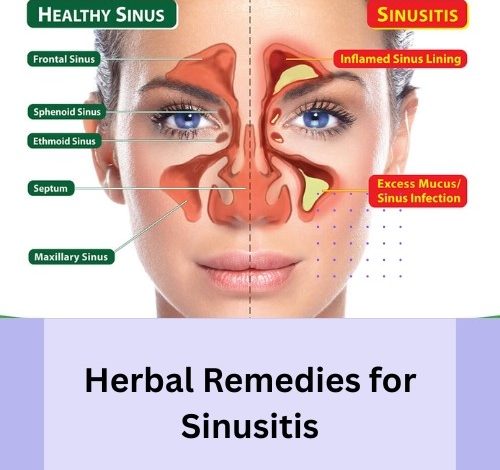
Sinusitis, also known as a sinus infection, is a common condition that affects millions of people worldwide. It occurs when the sinuses—air-filled spaces in the facial bones—become inflamed due to infection, allergies, or other factors. The result is congestion, facial pain, headache, postnasal drip, and sometimes fever. While conventional treatments like antibiotics or decongestants are commonly prescribed, many individuals are turning to natural solutions for relief. Among these, herbal remedies for sinusitis have gained popularity due to their effectiveness and minimal side effects.
The best herbal remedies for sinusitis, their mechanisms of action, and how to use them safely for faster sinus relief.
Understanding Sinusitis: Causes and Symptoms
Before diving into herbal remedies, it is essential to understand what triggers sinusitis. Sinus infections can be classified as acute or chronic:
- Acute sinusitis lasts less than four weeks and is often caused by viral infections, such as the common cold.
- Chronic sinusitis persists for more than 12 weeks and may result from bacterial infections, fungal infections, or underlying issues like nasal polyps.
Common symptoms of sinusitis include:
- Nasal congestion
- Thick nasal discharge (yellow or green)
- Facial pain or pressure, especially around the eyes, cheeks, and forehead
- Headaches
- Postnasal drip
- Cough, often worse at night
- Fever (in some cases)
Chronic sinusitis can also lead to fatigue, reduced sense of smell, and dental pain. While conventional treatments can alleviate symptoms, herbal remedies provide a natural and supportive approach for faster relief.
How Herbal Remedies Help Sinusitis
Herbal remedies for sinusitis work through multiple mechanisms:
- Anti-inflammatory effects: Many herbs reduce inflammation in the sinus tissues, helping alleviate pain and swelling.
- Antimicrobial properties: Some herbs combat bacterial, viral, or fungal infections that may cause sinusitis.
- Decongestant effects: Certain herbs help clear mucus, improving breathing and reducing nasal blockage.
- Immune support: Herbal remedies can strengthen the immune system, making it more effective at fighting infections.
Using herbs alongside lifestyle adjustments, such as staying hydrated, using a humidifier, and avoiding allergens, can significantly enhance recovery.
Top Herbal Remedies for Sinusitis
1. Eucalyptus (Eucalyptus globulus)
Eucalyptus is widely known for its respiratory benefits. The oil extracted from eucalyptus leaves contains eucalyptol, a compound that reduces inflammation, fights infections, and clears mucus.
How to use:
- Add a few drops of eucalyptus oil to hot water and inhale the steam for 10–15 minutes.
- Eucalyptus essential oil can also be applied topically on the chest (diluted with a carrier oil).
Benefits:
- Opens nasal passages
- Reduces sinus inflammation
- Has mild antimicrobial properties
2. Peppermint (Mentha piperita)
Peppermint contains menthol, which has a cooling effect that helps open congested nasal passages. Its antimicrobial and anti-inflammatory properties make it effective against sinus infections.
How to use:
- Inhale peppermint oil steam.
- Drink peppermint tea 2–3 times daily.
Benefits:
- Relieves nasal congestion
- Reduces sinus pain
- Provides soothing relief for headaches
3. Ginger (Zingiber officinale)
Ginger is a well-known anti-inflammatory and antioxidant herb. It helps reduce sinus swelling and supports the immune system to fight infections.
How to use:
- Prepare fresh ginger tea by boiling slices in water for 10 minutes.
- Add honey and lemon for added soothing effects.
Benefits:
- Reduces sinus inflammation
- Boosts immune function
- Helps clear mucus
4. Turmeric (Curcuma longa)
Turmeric contains curcumin, a powerful anti-inflammatory compound. It helps reduce sinus swelling and has antimicrobial effects against bacteria that can worsen sinusitis.
How to use:
- Mix 1 teaspoon of turmeric powder in warm milk or water.
- Take 2–3 times daily for best results.
Benefits:
- Anti-inflammatory and antimicrobial
- Helps alleviate sinus pressure
- Supports overall immune health
5. Garlic (Allium sativum)
Garlic is renowned for its natural antibacterial, antiviral, and antifungal properties. It can help fight infections that cause sinusitis and boost the immune system.
How to use:
- Consume 1–2 raw garlic cloves daily.
- Add garlic to soups and meals.
Benefits:
- Fights infection
- Supports immune system
- Reduces sinus congestion
6. Nettle Leaf (Urtica dioica)
Nettle leaf is a natural antihistamine, which makes it particularly helpful for sinusitis caused by allergies. It reduces nasal inflammation and mucus production.
How to use:
- Drink nettle leaf tea 2–3 times a day.
- Nettle supplements are also available in capsule form.
Benefits:
- Reduces allergy-related sinusitis
- Acts as a natural antihistamine
- Supports overall respiratory health
7. Thyme (Thymus vulgaris)
Thyme has strong antimicrobial properties that can help combat bacterial sinus infections. It also acts as an expectorant, helping clear mucus from the sinuses.
How to use:
- Inhale steam infused with thyme essential oil.
- Drink thyme tea 1–2 times daily.
Benefits:
- Fights infection
- Clears mucus
- Reduces sinus pressure
8. Chamomile (Matricaria chamomilla)
Chamomile has anti-inflammatory and soothing properties. It is particularly helpful for sinusitis accompanied by sinus pressure and headaches.
How to use:
- Inhale chamomile steam.
- Drink chamomile tea several times a day.
Benefits:
- Reduces sinus inflammation
- Relieves headaches
- Promotes relaxation and better sleep
9. Echinacea (Echinacea purpurea)
Echinacea is well-known for boosting the immune system and preventing infections. It helps shorten the duration of sinusitis and reduces severity.
How to use:
- Take echinacea supplements or tinctures as directed.
- Drink echinacea tea daily at the onset of symptoms.
Benefits:
- Boosts immunity
- Reduces severity of sinus infections
- Helps prevent recurring sinusitis
10. Horseradish (Armoracia rusticana)
Horseradish contains natural compounds that act as a decongestant, helping to clear mucus from the sinuses. Its antibacterial properties also help combat infections.
How to use:
- Consume fresh horseradish in small amounts.
- Mix with honey for easier ingestion.
Benefits:
- Clears nasal passages
- Reduces congestion
- Fights bacterial infections
How to Use Herbal Remedies Safely
While herbal remedies are generally safe, proper use is essential:
- Start with small doses to test for allergies or sensitivities.
- Consult a healthcare professional if you are pregnant, nursing, or taking medications.
- Do not rely solely on herbs for severe bacterial sinusitis; antibiotics may be necessary.
- Combine herbal remedies with supportive care, like hydration, saline nasal rinses, and humidifiers.
- Maintain consistency—herbal remedies may take a few days to show significant effects.
Lifestyle Tips to Enhance Sinus Relief
Herbal remedies are most effective when combined with lifestyle changes that support sinus health:
- Stay hydrated: Drink at least 8–10 glasses of water daily to thin mucus.
- Use a humidifier: Moist air helps reduce sinus inflammation and congestion.
- Apply warm compresses: Placing a warm towel over the sinus area can relieve pain and pressure.
- Practice nasal irrigation: Saline sprays or neti pots can flush out mucus and allergens.
- Avoid allergens and irritants: Pollen, dust, smoke, and strong perfumes can worsen sinusitis.
When to Seek Medical Attention
While herbal remedies for sinusitis can provide significant relief, it is crucial to recognize when professional care is necessary:
- Symptoms persist for more than 10 days without improvement.
- Severe headache, high fever, or facial swelling develops.
- Vision changes or severe eye pain occur.
- You experience recurrent sinus infections multiple times a year.
In these cases, a healthcare provider may prescribe antibiotics, imaging tests, or other treatments to prevent complications.
Conclusion
Sinusitis can be uncomfortable and disruptive, but nature offers a variety of effective solutions. Herbal remedies for sinusitis—such as eucalyptus, peppermint, ginger, turmeric, garlic, nettle, thyme, chamomile, echinacea, and horseradish—provide anti-inflammatory, antimicrobial, and decongestant benefits that promote faster sinus relief.
By integrating these herbal remedies into your daily routine and combining them with proper hydration, nasal irrigation, and lifestyle adjustments, you can significantly reduce sinus inflammation, improve breathing, and support your immune system naturally.
Always remember to monitor your symptoms and consult a healthcare provider if your sinusitis persists or worsens. With the right herbal approach, you can breathe easier and recover faster—naturally.