
Aging is a natural part of life, but losing strength and muscle mass doesn’t have to be. Many people assume that becoming weaker is inevitable as they grow older, yet modern science shows that with the right lifestyle choices, you can preserve — and even rebuild — muscle well into your later years.
Muscle loss in old age, known as sarcopenia, can affect mobility, independence, and overall quality of life. The good news? It’s largely preventable and reversible with the right approach. How to stop muscle loss, stay strong, and maintain vitality as you age.
Understanding Muscle Loss in Old Age
Muscle loss begins gradually, often starting in your 30s, but it accelerates after age 60. By the time many people reach their 70s, they may have lost up to 30% of their muscle mass if no action is taken.
What Causes Muscle Loss?
Several factors contribute to muscle decline:
- Reduced physical activity
- Hormonal changes (lower testosterone and growth hormone)
- Poor nutrition
- Chronic inflammation
- Decreased protein synthesis
- Neurological changes affecting muscle control
This condition doesn’t just affect appearance — it impacts strength, balance, metabolism, and even lifespan.
Why Preventing Muscle Loss Is So Important
Maintaining muscle mass is not just about looking fit. It plays a crucial role in:
- Mobility and independence
- Preventing falls and injuries
- Supporting metabolism
- Improving blood sugar control
- Enhancing mental health
- Boosting longevity
Without adequate muscle, everyday activities like climbing stairs, carrying groceries, or even standing up from a chair can become difficult.
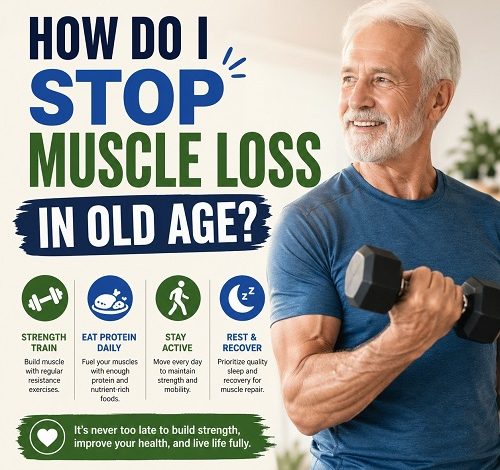
1. Prioritize Strength Training
If there’s one thing you should focus on to stop muscle loss, it’s resistance training.
Why Strength Training Works
Strength training stimulates muscle fibers, encouraging growth and preventing breakdown. It also improves bone density and joint health.
Best Types of Exercises
- Bodyweight exercises (squats, push-ups)
- Resistance bands
- Free weights (dumbbells, barbells)
- Machines at the gym
Recommended Routine
- 2–4 sessions per week
- Focus on all major muscle groups
- 8–12 repetitions per set
- 2–3 sets per exercise
Tips for Beginners
- Start slow and increase gradually
- Focus on proper form
- Consider working with a trainer
Even people in their 80s and 90s can build muscle with consistent training.
2. Eat Enough Protein
Protein is the building block of muscle. As you age, your body becomes less efficient at using protein, meaning you need more of it.
How Much Protein Do You Need?
Experts recommend:
- 1.0 to 1.2 grams per kg of body weight daily
- Up to 1.5 grams per kg if you’re active or trying to build muscle
Best Protein Sources
- Lean meats (chicken, beef)
- Fish (salmon, tuna)
- Eggs
- Dairy (milk, yogurt)
- Plant-based sources (lentils, beans, tofu)
Protein Timing Matters
Distribute protein evenly throughout the day:
- Breakfast
- Lunch
- Dinner
- Optional snacks
Avoid consuming all your protein in just one meal.
3. Stay Physically Active Daily
Beyond structured workouts, daily movement is essential.
Simple Ways to Stay Active
- Walking 30–45 minutes daily
- Gardening
- Taking stairs instead of elevators
- Stretching or yoga
- Household chores
The key is consistency — your muscles need regular stimulation to stay active.
4. Don’t Neglect Vitamin D
Vitamin D plays a critical role in muscle function and strength.
Why It Matters
Low vitamin D levels are linked to:
- Muscle weakness
- Increased fall risk
- Reduced mobility
Sources of Vitamin D
- Sunlight exposure (15–20 minutes daily)
- Fatty fish (salmon, mackerel)
- Egg yolks
- Fortified foods
If needed, supplements can help — but consult a healthcare provider first.
5. Get Enough Calories
Many older adults eat less due to reduced appetite, but insufficient calorie intake leads to muscle loss.
Signs You’re Not Eating Enough
- Unintentional weight loss
- Fatigue
- Weakness
- Reduced strength
What to Do
- Eat nutrient-dense foods
- Include healthy fats (nuts, seeds, olive oil)
- Avoid skipping meals
Fueling your body properly is essential for muscle maintenance.
6. Focus on Resistance + Balance Training
Balance training is often overlooked but critical in preventing falls and injuries.
Balance Exercises
- Standing on one leg
- Heel-to-toe walking
- Tai Chi
- Stability ball exercises
Combining strength and balance training improves coordination and reduces injury risk.
7. Improve Sleep Quality
Sleep is when your body repairs and rebuilds muscle tissue.
Effects of Poor Sleep
- Reduced muscle recovery
- Hormonal imbalance
- Increased inflammation
Tips for Better Sleep
- Aim for 7–8 hours per night
- Maintain a consistent sleep schedule
- Avoid screens before bed
- Keep your bedroom cool and dark
Good sleep is just as important as exercise and nutrition.
8. Manage Stress Levels
Chronic stress increases cortisol, a hormone that promotes muscle breakdown.
Stress Management Techniques
- Meditation
- Deep breathing exercises
- Spending time in nature
- Social interaction
- Hobbies you enjoy
Reducing stress helps protect your muscle mass and overall health.
9. Stay Hydrated
Dehydration affects muscle function and recovery.
Why Hydration Matters
- Supports nutrient transport
- Prevents muscle cramps
- Enhances performance
Hydration Tips
- Drink water throughout the day
- Increase intake during exercise
- Include water-rich foods (fruits, vegetables)
10. Consider Supplements (If Needed)
While food should always come first, some supplements can support muscle health.
Common Options
- Protein powders (whey or plant-based)
- Creatine (shown to improve muscle strength)
- Omega-3 fatty acids
- Vitamin D
Always consult a healthcare professional before starting any supplement.
11. Avoid Long Periods of Inactivity
Extended bed rest or inactivity accelerates muscle loss rapidly.
What Happens During Inactivity?
- Muscle fibers shrink
- Strength declines
- Mobility decreases
What You Can Do
- Move every hour
- Stretch regularly
- Stay active even during illness (as much as possible)
Even small movements can make a big difference.
12. Maintain Hormonal Health
Hormones like testosterone, estrogen, and growth hormone influence muscle mass.
Signs of Hormonal Imbalance
- Fatigue
- Reduced strength
- Weight gain
- Low energy
Solutions
- Regular exercise
- Balanced diet
- Medical consultation if necessary
In some cases, hormone therapy may be considered under medical supervision.
13. Build Consistency, Not Perfection
One of the biggest mistakes people make is expecting quick results.
What Really Works
- Consistent effort over time
- Small, sustainable changes
- Long-term habits
Muscle maintenance is a lifelong commitment — not a short-term fix.
Sample Weekly Plan to Prevent Muscle Loss
Here’s a simple example:
Monday: Strength training (upper body)
Tuesday: Walking + stretching
Wednesday: Strength training (lower body)
Thursday: Rest or light activity
Friday: Full-body strength training
Saturday: Balance exercises + walking
Sunday: Rest or gentle yoga
Common Mistakes to Avoid
- Skipping strength training
- Eating too little protein
- Ignoring recovery
- Being sedentary
- Overtraining without rest
Avoiding these pitfalls can significantly improve your results.
Can You Regain Lost Muscle in Old Age?
Yes — absolutely.
Studies show that even people in their 70s, 80s, and beyond can build new muscle through proper training and nutrition. The process may be slower than in younger years, but the benefits are just as significant.
Final Thoughts
Stopping muscle loss in old age is not only possible — it’s within your control. By focusing on strength training, proper nutrition, active living, and overall wellness, you can maintain your strength, independence, and quality of life for years to come.