Top Herbal Remedies for Postpartum Depression Every New Mom Should Know

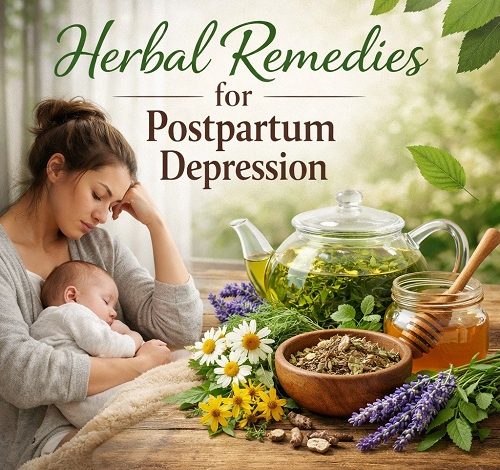
Becoming a mother is often described as one of the happiest moments in life. However, for many women, the postpartum period can bring unexpected emotional challenges. Postpartum depression (PPD) is a serious condition that affects a significant number of new mothers, leading to feelings of sadness, anxiety, fatigue, and disconnection from the baby. While medical treatment and therapy are essential in many cases, Herbal Remedies for Postpartum Depression are increasingly being explored as supportive, natural options. The most effective Natural Remedies for Postpartum Depression, focusing on safe and beneficial herbal approaches that may help restore emotional balance and well-being.
Postpartum Depression
Postpartum depression is more than just the “baby blues.” It can last for weeks or even months and may include symptoms such as:
- Persistent sadness or hopelessness
- Mood swings and irritability
- Difficulty bonding with the baby
- Sleep disturbances
- Loss of appetite or overeating
- Anxiety or panic attacks
While hormonal changes play a major role, factors such as stress, lack of sleep, nutritional deficiencies, and emotional overwhelm can contribute to the condition.
Why Consider Herbal Remedies?
Many new mothers prefer Herbal Remedies because they:
- Are natural and plant-based
- May have fewer side effects than pharmaceuticals
- Can support overall mental and physical health
- Offer gentle, long-term support
However, it’s crucial to consult a healthcare provider before starting any herbal treatment, especially while breastfeeding.
Top Herbal Remedies for Postpartum Depression
1. St. John’s Wort
St. John’s Wort is one of the most well-known herbs for mood support. It has been traditionally used to treat mild to moderate depression.
Benefits:
- Helps regulate mood
- Supports serotonin levels
- Reduces anxiety
How to Use:
Available as capsules, teas, or tinctures.
Note: This herb can interact with medications and may not be suitable during breastfeeding without medical guidance.
2. Ashwagandha
Ashwagandha is an adaptogenic herb that helps the body cope with stress and emotional imbalance.
Benefits:
- Reduces cortisol (stress hormone)
- Improves mood and energy
- Supports hormonal balance
How to Use:
Powder or capsules taken daily.
This herb is particularly beneficial for mothers experiencing fatigue and anxiety.
3. Chamomile
Chamomile is a gentle herb known for its calming and soothing effects.
Benefits:
- Promotes relaxation
- Improves sleep quality
- Reduces anxiety and irritability
How to Use:
Chamomile tea before bedtime is a popular option.
This is one of the safest Natural Remedies for Postpartum Depression especially for improving sleep.
4. Lavender
Lavender is widely used in aromatherapy and herbal medicine for its calming properties.
Benefits:
- Reduces stress and anxiety
- Enhances mood
- Promotes restful sleep
How to Use:
- Essential oil in a diffuser
- Lavender tea
- Bath soaks
Lavender is excellent for emotional relaxation and stress relief.
5. Lemon Balm
Lemon balm is a member of the mint family and is known for its mood-enhancing effects.
Benefits:
- Reduces anxiety
- Improves cognitive function
- Promotes calmness
How to Use:
Tea or tincture form.
This herb is ideal for mothers experiencing restlessness and mental fatigue.
6. Rhodiola Rosea
Rhodiola Rosea is another adaptogen that helps combat fatigue and emotional stress.
Benefits:
- Boosts energy levels
- Reduces mental exhaustion
- Enhances mood
How to Use:
Capsules or extracts taken in the morning.
It’s especially useful for mothers dealing with physical and emotional burnout.
7. Holy Basil (Tulsi)
Holy Basil is revered in traditional medicine for its powerful stress-relieving properties.
Benefits:
- Reduces anxiety and depression
- Supports immune health
- Balances hormones
How to Use:
Tea or supplements.
This herb supports both mental clarity and emotional stability.
8. Passionflower
Passionflower is known for its calming effects on the nervous system.
Benefits:
- Reduces anxiety and insomnia
- Promotes relaxation
- Improves sleep quality
How to Use:
Tea or tincture.
It’s particularly helpful for mothers experiencing sleep disturbances.
9. Maca Root
Maca root is a nutrient-rich herb that supports hormonal balance.
Benefits:
- Enhances energy and stamina
- Balances hormones
- Improves mood
How to Use:
Powder added to smoothies or capsules.
This herb is ideal for boosting overall vitality.
10. Ginseng
Ginseng is a powerful herb known for its energizing and mood-boosting properties.
Benefits:
- Reduces fatigue
- Enhances mental clarity
- Supports emotional resilience
How to Use:
Capsules or tea.
It can be particularly helpful for mothers feeling physically drained.
Combining Herbal Remedies with Lifestyle Changes
While Herbal Remedies for Postpartum Depression can be highly beneficial, they work best when combined with healthy lifestyle practices.
1. Balanced Nutrition
A diet rich in whole foods, fruits, vegetables, and healthy fats can support brain health and mood stability.
2. Regular Exercise
Light activities such as walking or yoga can boost endorphins and reduce stress.
3. Adequate Sleep
Sleep deprivation can worsen depression. Try to rest whenever possible.
4. Emotional Support
Talking to loved ones or joining support groups can make a big difference.
5. Mindfulness Practices
Meditation, deep breathing, and journaling can help manage stress and emotions.
Safety Considerations
When using Natural Remedies for Postpartum Depression, keep the following in mind:
- Always consult a healthcare provider
- Check for interactions with medications
- Start with small doses
- Monitor for side effects
- Ensure herbs are safe for breastfeeding
Not all herbs are suitable for every individual, especially during the postpartum period.
When to Seek Medical Help
Herbal remedies can provide support, but they are not a replacement for professional care in severe cases. Seek medical attention if you experience:
- Thoughts of self-harm or harming your baby
- Severe mood swings
- Inability to function daily
- Persistent depression lasting more than two weeks
Early intervention is key to recovery.
Creating a Personalized Herbal Routine
Every mother’s body and experience are unique. A personalized approach works best when incorporating Herbal Remedies.
Sample Daily Routine:
- Morning: Ashwagandha or Rhodiola supplement
- Afternoon: Lemon balm tea
- Evening: Chamomile or passionflower tea
- Night: Lavender aromatherapy
This balanced routine supports energy during the day and relaxation at night.
The Role of Herbal Teas
Herbal teas are one of the easiest ways to incorporate natural healing into your routine.
Popular blends include:
- Chamomile + Lavender for relaxation
- Lemon balm + Holy basil for stress relief
- Passionflower + mint for better sleep
These teas not only provide therapeutic benefits but also create a calming daily ritual.
Emotional Healing Through Nature
Nature itself can be a powerful healer. Spending time outdoors, even for a short walk, can enhance the effects of Herbal Remedies for Postpartum Depression.
Sunlight exposure helps regulate mood, while fresh air and greenery promote relaxation and mental clarity.
Supporting Hormonal Balance Naturally
Hormonal fluctuations are a major cause of postpartum depression. Herbs like maca root, ashwagandha, and holy basil help regulate hormones and restore balance.
Combining these herbs with proper nutrition and rest can significantly improve emotional well-being.
The Importance of Consistency
Herbal remedies often take time to show results. Consistency is key.
- Use herbs regularly
- Follow recommended dosages
- Be patient with the healing process
Natural healing is gradual but sustainable.
Final Thoughts
Postpartum depression is a challenging experience, but it is also treatable and manageable with the right support. Herbal Remedies for Postpartum Depression offer a gentle and natural way to support emotional healing, reduce stress, and restore balance.
By combining these remedies with healthy lifestyle habits and professional guidance, new mothers can find relief and regain their sense of well-being.
Remember, you are not alone in this journey. Seeking help and exploring natural solutions is a powerful step toward healing and happiness.