Trichomoniasis Symptoms, Causes, Risk Factors, Complications, Diagnosis and Treatment

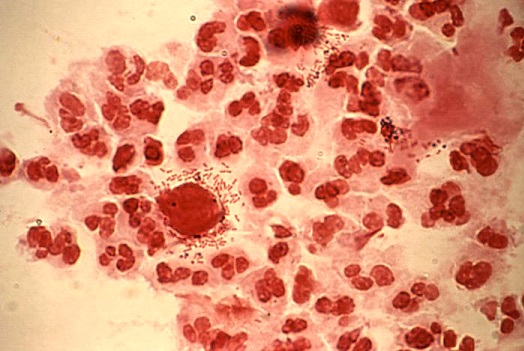
What Is Trichomoniasis ?
It is a sexually transmitted infection, triggered by a parasite. The infection can source the following indications in women:
- Painful urination.
- Genital itching.
- Vaginal discharge.
As far as males with trichomoniasis are concerned, they develop no signs. On the other hand, expected women with the infection are more likely to end up with premature deliveries.
In order to reduce the chances of re-infection with the parasite responsible for sourcing trichomoniasis, it is advice that both the partners should be treated. Usage of a megadose of metronidazole, tends to be its common treatment. One can minimize the chances of infection, simply by using a condom, during the sexual activities.
What Are The Symptoms If Trichomoniasis ?
Majority males and females with trichomoniasis develop no indications, at least initially.
Common symptoms of trichomoniasis in females can include the following:
- Genital itching, burning and redness.
- Profuse, vaginal discharge. In most cases, the discharge is smelly, and is of yellow, gray, green or white color.
- Pain during sexual intercourse or while passing urine.
Rarely, the infection sources signs in males. However, when symptoms do tend to appear, they can include the following:
- Discharge from penis.
- Burning sensation after ejaculation or while passing urine.
- Irritation that occurs inside the penis.
What Causes Trichomoniasis ?
As mentioned earlier, it is triggered by a type of parasite. This one-celled protozoan manages to spread during the sexual intercourse. An unprotected sex is the foremost reason behind successful transmission.
What Are The Risk Factors Of Trichomoniasis ?
A number of factors are known to increase the chances of trichomoniasis, these are:
- Have had other sexually transmitted infections in the past.
- Having several sexual partners.
- Have had trichomoniasis in the past.
- Having unprotected sex that is not using a condom during the sexual intercourse.
- Having sexual relationships with an individual whose medical history is unknown to you.
What Are The Complications Of Trichomoniasis ?
As mentioned earlier, an expected mother with trichomoniasis can experience the following complications related to her pregnancy:
- Premature birth.
- Low birth weight of the baby.
Transmission of infection (from the infected mother to her baby), by means of birth canal.
How Is Trichomoniasis Diagnosed ?
The detection of trichomoniasis can be done on the basis of examining the sample of:
- Urine (males).
- Vaginal fluid (females).
In the past, doctors used growing a culture for its detection, though faster and advanced options have managed to replace it for example nucleic acid amplification and rapid antigen tests.
How Is Trichomoniasis Treated ?
Trichomoniasis is commonly treated with a megadose of tinidazole or metronidazole. The treatment option is same for expected women. In the case of trichomoniasis, both the patient and the partner need medical treatment. It is important to avoid sexual activities until the problem is completely resolved, that is for a week or so.
Strictly avoid alcohol for 3 days after the intake of tinidazole or for a day after the intake of metronidazole as this can lead to intense nausea, accompanied with vomiting.
By : Natural Health News