
Hair thinning can affect more than appearance—it can also make the scalp feel less healthy and leave you searching for a treatment that supports natural hair growth. Best PRP Hair Treatment in Dubai is increasingly considered by people experiencing pattern hair loss because it uses concentrated components of their own blood and delivers them directly into areas of the scalp where hair is thinning. Research suggests platelet-rich plasma (PRP) may improve hair density in selected people, although results can vary and treatment protocols are not yet fully standardized.
What Is PRP Hair Treatment?
PRP hair treatment is a minimally invasive procedure designed to support hair follicles using platelet-rich plasma obtained from the patient’s own blood. A small blood sample is collected and processed to concentrate platelets, which contain numerous growth-related proteins and signaling substances.
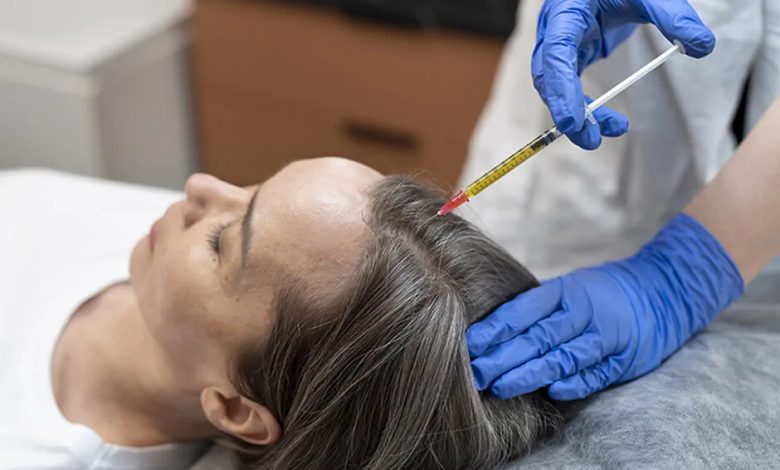
The prepared PRP is then injected into selected areas of the scalp. The goal is to create a supportive environment around weakened or miniaturized follicles and potentially encourage healthier hair growth.
PRP is most commonly discussed in connection with androgenetic alopecia, also known as male or female pattern hair loss. However, hair loss has many possible causes, so identifying the underlying condition is an important part of deciding whether PRP is appropriate.
How PRP May Support Scalp and Hair Follicle Health
Healthy-looking hair depends on functioning follicles and an appropriate scalp environment. When follicles become progressively smaller, as can happen with pattern hair loss, the resulting hairs may become finer and less noticeable.
PRP contains platelets and bioactive substances that may influence processes involved in tissue repair and follicular activity. Researchers believe these mechanisms may contribute to improvements in hair density, although the exact biological effects of PRP on hair follicles are still being investigated.
Clinical evidence is encouraging but not definitive. A 2023 systematic review and meta-analysis of randomized controlled trials found that PRP was associated with significantly increased hair density at three and six months compared with placebo.
A newer 2024 meta-analysis similarly found an increase in hair density, but it emphasized that the available studies were highly heterogeneous and generally low quality. This means PRP can be promising without guaranteeing the same outcome for every individual.
PRP for Hair Loss: Who May Benefit?
PRP may be considered for adults with certain forms of non-scarring hair loss, particularly androgenetic alopecia. The suitability of treatment depends on factors such as the pattern and duration of hair loss, follicle condition, overall scalp health, and other medical or lifestyle factors.
A professional assessment is useful because not every type of hair loss responds to the same approach. Sudden shedding, patchy bald areas, scalp inflammation, nutritional deficiencies, hormonal changes, and some medical conditions may require a different evaluation or treatment strategy.
PRP may be worth discussing if you are experiencing:
- Gradual thinning around the crown or hairline
- Reduced hair density associated with pattern hair loss
- Early or moderate follicle miniaturization
- Thinning hair where some follicles are still active
- A desire for a minimally invasive approach to hair restoration
It is important to understand that PRP is not the same as a hair transplant. A transplant physically moves follicles from one area of the scalp to another, whereas PRP aims to support existing follicles. The best option depends on the individual’s diagnosis and the amount and pattern of hair loss.
What Happens During PRP Hair Treatment?
The procedure generally involves several straightforward stages. The exact protocol can differ between clinics because there is currently no universally standardized PRP preparation and injection schedule.
1. Scalp assessment
The process usually begins with an examination of the scalp and hair-loss pattern. A practitioner may review your medical history, medications, previous treatments, and the progression of thinning.
2. Blood collection
A small amount of blood is drawn from the patient. Because the PRP is autologous, the material used for treatment comes from the individual’s own blood.
3. PRP preparation
The blood is processed to separate and concentrate the platelet-rich component. Preparation techniques can differ, and research has identified substantial variation between PRP studies in platelet concentration, activation methods, injection techniques, and treatment schedules.
4. Scalp injections
The prepared PRP is carefully introduced into areas affected by thinning. Depending on the treatment plan, topical or local anesthetic measures may be used to improve comfort.
5. Follow-up
PRP commonly involves more than one treatment session, followed by monitoring of hair density and overall progress. The appropriate schedule should be determined by a qualified practitioner rather than following a one-size-fits-all protocol.
What Results Can You Expect From PRP Hair Treatment?
PRP should be approached with realistic expectations. It is intended to support existing follicles and may improve hair density, but it cannot guarantee complete regrowth or recreate follicles that have permanently disappeared.
Research has reported improvements in hair density and, in some studies, hair thickness. A systematic review of randomized trials published in 2022 found evidence that PRP could improve both hair density and thickness in androgenetic alopecia, while also noting the need for better-designed studies to establish consistent treatment protocols.
More recent research reinforces this balanced view. A 2024 systematic review found a statistically significant increase in hair density but rated the evidence as low quality because of substantial variation among studies and publication bias.
This is why results should be assessed over time rather than immediately after a session. Hair grows through cycles, so visible changes generally require patience and follow-up assessment.
PRP Hair Treatment and Scalp Rejuvenation
The appeal of PRP goes beyond simply making hair appear fuller. By targeting areas where follicles are becoming weaker or producing finer hairs, the treatment is intended to support the scalp’s existing follicular environment.
For someone concerned about early thinning, this can make PRP an interesting option to discuss with a hair-restoration professional. The earlier stages of follicle miniaturization may be particularly important because treatment strategies are generally focused on supporting follicles that are still functioning.
However, “natural” does not mean risk-free or automatically suitable. PRP involves injections and may cause temporary discomfort, redness, swelling, itching, or minor bleeding. Reviews of the literature generally report that serious adverse events are uncommon, but individual risks should be discussed during consultation.
Choosing the Right PRP Hair Treatment in Dubai
If you are considering PRP for hair thinning, choosing a qualified provider is as important as understanding the treatment itself. PRP protocols can vary considerably, which may partly explain why research findings are not completely consistent.
Before proceeding, consider asking about:
- The practitioner’s qualifications and experience with hair-loss conditions
- How your specific type of hair loss will be diagnosed
- How the PRP is prepared and administered
- How many sessions may be recommended
- How progress will be documented
- What side effects and aftercare instructions to expect
- Whether other evidence-based hair-loss treatments should also be considered
A detailed consultation can help determine whether PRP is appropriate for your scalp and whether another treatment or a combination approach would be more suitable.
It is also useful to be cautious about claims promising instant or guaranteed hair regrowth. Current research supports PRP as a potentially useful treatment for selected patients, but researchers continue to call for standardized protocols and larger, higher-quality clinical trials.
Conclusion
Rejuvenating scalp health begins with understanding why hair is thinning and selecting a treatment that matches the condition. PRP hair treatment offers a minimally invasive approach that uses the patient’s own platelet-rich plasma to support existing hair follicles, with clinical research showing promising improvements in hair density for some people.
If you’re exploring Best PRP Hair Treatment options, a professional scalp assessment is the best starting point. With realistic expectations, appropriate patient selection, and careful follow-up, Best PRP Hair Treatment may be considered as part of a personalized strategy for healthier-looking, fuller hair.