Natural Home Remedies for Tinea Versicolor That Support Faster Skin Recovery

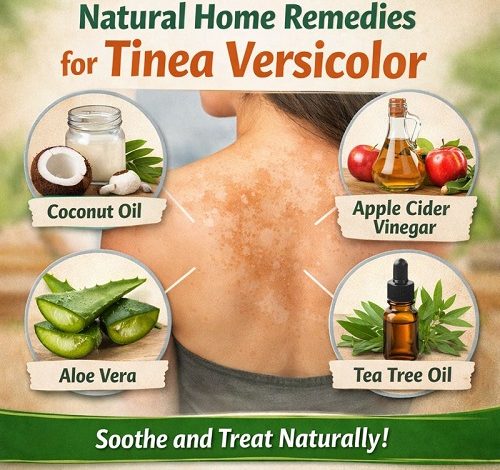
Tinea versicolor is a common but often frustrating skin condition that affects people of all ages. Although it is not dangerous or contagious, its visible patches and uneven skin tone can cause discomfort, embarrassment, and a lack of confidence. Many people prefer gentle, natural approaches before turning to medicated treatments, especially when symptoms are mild or recurring.
Natural Home Remedies for Tinea Versicolor that may help restore skin balance, reduce fungal overgrowth, and support faster skin recovery. You will also learn how lifestyle habits, hygiene, and diet can complement Natural Remedies for Tinea Versicolor for long-term results.
What Is Tinea Versicolor?
Tinea versicolor, also known as pityriasis versicolor, is a superficial fungal infection caused by Malassezia, a yeast that naturally lives on human skin. Under certain conditions, this yeast grows excessively and disrupts normal skin pigmentation.
Common Symptoms
- White, pink, brown, or yellow patches on the skin
- Fine scaling or mild flaking
- Mild itching (especially in warm weather)
- Patches that become more noticeable after sun exposure
The condition commonly affects the chest, back, neck, shoulders, and upper arms.
Why Does Tinea Versicolor Develop?
Several factors encourage fungal overgrowth:
- Hot and humid climates
- Excessive sweating
- Oily skin
- Hormonal changes
- Weakened immune response
- Use of oily skincare products
Because Malassezia already exists on the skin, treatment focuses on controlling overgrowth rather than eliminating it entirely.
Why Choose Natural Home Remedies for Tinea Versicolor?
Many people prefer Natural Home Remedies for Tinea Versicolor because they:
- Are gentle on sensitive skin
- Avoid harsh chemicals
- Support overall skin health
- Can be used alongside medical treatments
- Help reduce recurrence when used consistently
8 Natural Home Remedies for Tinea Versicolor
Natural remedies work best for mild to moderate cases and as supportive care for long-term skin balance.
1. Tea Tree Oil
Tea tree oil is one of the most widely used Natural Remedies for Tinea Versicolor due to its antifungal and antimicrobial properties.
How It Helps
- Limits fungal overgrowth
- Reduces scaling and itching
- Supports skin clarity
How to Use
- Mix 5–6 drops of tea tree oil with 1 tablespoon of coconut or olive oil
- Apply to affected areas once daily
- Leave on for 20–30 minutes before rinsing
Tip: Always perform a patch test before use.
2. Coconut Oil
Coconut oil contains caprylic acid and lauric acid, which may help inhibit fungal growth while nourishing the skin.
Benefits
- Moisturises dry patches
- Supports skin barrier repair
- Gentle enough for daily use
How to Use
- Apply a thin layer of virgin coconut oil to clean, dry skin
- Leave on overnight
- Use once or twice daily
3. Apple Cider Vinegar (ACV)
Apple cider vinegar helps restore the skin’s natural pH balance, making it harder for fungi to thrive.
How It Helps
- Creates an unfavourable environment for fungal growth
- Reduces discolouration over time
How to Use
- Mix equal parts ACV and water
- Apply using a cotton pad
- Leave on for 10–15 minutes, then rinse
Use this remedy 3–4 times per week.
4. Aloe Vera Gel
Aloe vera is well known for its soothing and skin-repairing properties.
Benefits
- Calms irritated skin
- Reduces inflammation
- Supports even skin tone recovery
How to Use
- Apply fresh aloe vera gel directly to affected areas
- Leave on for 30 minutes or overnight
- Use daily for best results
Aloe vera works well alongside other Natural Home Remedies for Tinea Versicolor.
5. Garlic Extract
Garlic contains allicin, a compound known for its antifungal properties.
How It Helps
- Limits fungal activity
- Supports immune defence
How to Use
- Crush 1–2 garlic cloves
- Mix with olive oil
- Apply carefully to affected areas
- Leave on for 10 minutes, then rinse
Caution: Garlic can irritate sensitive skin. Dilution is essential.
6. Turmeric Paste
Turmeric has long been used in traditional medicine for skin health.
Benefits
- Anti-inflammatory properties
- Supports skin healing
- May help reduce visible patches
How to Use
- Mix turmeric powder with water or yoghurt
- Apply as a paste
- Leave on for 15–20 minutes
- Rinse thoroughly
Use 2–3 times weekly.
7. Neem (Indian Lilac)
Neem is a powerful herb commonly used in natural skin treatments.
How It Helps
- Antifungal and antibacterial action
- Helps control skin yeast balance
How to Use
- Use neem oil diluted with carrier oil
- Or apply neem leaf paste
- Leave on for 20 minutes before washing
8. Yogurt and Probiotics
Probiotics help balance the skin and gut microbiome, which plays a role in fungal control.
Benefits
- Supports healthy skin flora
- May reduce recurrence
How to Use
- Apply plain, unsweetened yogurt to affected areas
- Leave on for 20 minutes
- Rinse with lukewarm water
Also consider including probiotic foods in your diet.
Lifestyle Changes That Support Faster Skin Recovery
Using Natural Remedies for Tinea Versicolor works best when combined with healthy habits.
Maintain Proper Hygiene
- Shower after sweating
- Dry skin thoroughly
- Avoid sharing towels
Choose Breathable Clothing
- Wear loose cotton fabrics
- Avoid synthetic materials in hot weather
Avoid Oily Products
- Use lightweight, non-comedogenic skincare
- Avoid heavy body oils during flare-ups
Diet Tips for Supporting Skin Health
Diet plays a supportive role in managing fungal conditions.
Helpful Foods
- Fresh vegetables and fruits
- Garlic and ginger
- Yogurt and fermented foods
- Zinc-rich foods
Foods to Limit
- Excess sugar
- Processed foods
- Refined carbohydrates
A balanced diet strengthens the immune system and supports long-term skin health.
How Long Does Natural Treatment Take?
Results vary depending on severity and consistency. While fungal activity may reduce within a few weeks, skin colour restoration can take several months. Patience and consistency are essential when using Natural Home Remedies for Tinea Versicolor.
Preventing Recurrence Naturally
Tinea versicolor often returns, especially in warm climates. Prevention is key.
- Maintain good hygiene
- Continue mild natural treatments weekly
- Avoid excessive heat and humidity
- Support immune health
Regular care helps prevent fungal overgrowth from returning.
When to See a Doctor
Natural remedies are supportive, but professional care is important if:
- Symptoms worsen
- No improvement after several weeks
- Large body areas are affected
- Severe itching or irritation occurs
Medical antifungal treatments may be necessary in persistent cases.
Final Thoughts
Natural Home Remedies for Tinea Versicolor offer a gentle and supportive approach for managing mild to moderate symptoms while promoting healthier skin. Remedies like tea tree oil, aloe vera, coconut oil, and dietary changes can help restore balance and reduce recurrence when used consistently.
While Natural Remedies for Tinea Versicolor are not a quick fix, they support long-term skin recovery and overall wellbeing. With patience, proper care, and healthy habits, clearer and more even-toned skin is achievable.