Herbal Remedies for Ovarian Cancer That May Complement Conventional Treatment

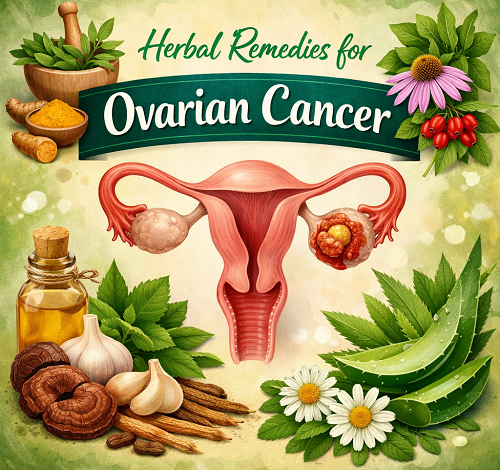
Ovarian cancer is one of the most serious gynecologic cancers affecting women worldwide. While surgery, chemotherapy, targeted therapy, and immunotherapy remain the foundation of treatment, many patients seek additional support to manage symptoms, improve quality of life, and strengthen their bodies during therapy. This is where Herbal Remedies for Ovarian Cancer are often explored as complementary approaches.
It is important to clarify from the beginning: Herbal Remedies are not a cure for ovarian cancer. They should never replace conventional treatment. However, certain herbs may help support immune function, reduce inflammation, ease side effects of chemotherapy, and promote overall wellness when used under medical supervision.
The potential role of Herbal Remedies for Ovarian Cancer, the science behind selected herbs, safety considerations, and how to integrate them responsibly into a comprehensive care plan.
Understanding Ovarian Cancer and Its Treatment
Ovarian cancer develops when abnormal cells in the ovaries begin to grow uncontrollably. The most common type is epithelial ovarian cancer. Symptoms may include:
- Abdominal bloating
- Pelvic pain
- Frequent urination
- Feeling full quickly
- Unexplained weight changes
Because symptoms can be vague, ovarian cancer is often diagnosed at a later stage.
Conventional Treatments Include:
- Surgery (removal of ovaries, fallopian tubes, uterus, or tumor masses)
- Chemotherapy (commonly platinum-based drugs)
- Targeted therapies (such as PARP inhibitors)
- Immunotherapy (in some cases)
While these treatments can be life-saving, they may cause side effects such as nausea, fatigue, neuropathy, immune suppression, digestive disturbances, and emotional stress. This is where complementary Herbal Remedies may offer supportive benefits.
The Role of Herbal Remedies in Complementary Care
When discussing Herbal Remedies for Ovarian Cancer, the goal is not tumor eradication but:
- Supporting immune function
- Reducing inflammation
- Managing treatment side effects
- Supporting liver detoxification
- Enhancing overall resilience
7 Herbal Remedies for Ovarian Cancer
Integrative oncology combines evidence-based conventional medicine with carefully selected complementary therapies. Many cancer centers now incorporate herbal medicine as part of supportive care, under professional guidance.
1. Turmeric (Curcuma longa)
One of the most researched Herbal Remedies is turmeric, particularly its active compound, curcumin.
Potential Benefits:
- Anti-inflammatory properties
- Antioxidant effects
- May influence cancer cell signaling pathways in laboratory studies
- May reduce chemotherapy-related inflammation
Laboratory research suggests curcumin may affect pathways involved in cancer cell growth. However, most studies are preclinical (test tubes or animals). Human clinical trials are still limited.
Important Note:
Turmeric can interact with blood thinners and chemotherapy drugs. Always consult an oncologist before use.
2. Green Tea (Camellia sinensis)
Green tea contains powerful antioxidants called catechins, particularly EGCG (epigallocatechin gallate).
Potential Benefits:
- Antioxidant support
- May reduce oxidative stress
- Laboratory evidence suggests it may influence cancer cell growth
- May support cardiovascular health during treatment
Some observational studies suggest green tea consumption may be associated with improved overall health outcomes, but it is not a standalone cancer therapy.
Caution:
High-dose green tea extracts may affect liver function. Moderate intake is generally safer.
3. Ginger (Zingiber officinale)
Ginger is widely recognized for its anti-nausea properties.
Potential Benefits:
- Reduces chemotherapy-induced nausea
- Anti-inflammatory effects
- May support digestion
- Helps reduce bloating
Clinical studies support ginger’s effectiveness for managing nausea in cancer patients undergoing chemotherapy. This makes it one of the most practical Herbal Remedies for Ovarian Cancer supportive care.
4. Ashwagandha (Withania somnifera)
Ashwagandha is an adaptogenic herb traditionally used in Ayurvedic medicine.
Potential Benefits:
- May reduce stress and anxiety
- Supports immune modulation
- May help reduce fatigue
- May improve sleep quality
Cancer treatment is emotionally and physically demanding. Adaptogens like ashwagandha may help the body cope with stress. However, it may not be appropriate for all hormone-sensitive cancers without medical guidance.
5. Medicinal Mushrooms (Reishi, Turkey Tail)
Medicinal mushrooms have been studied for immune-supportive properties.
Reishi (Ganoderma lucidum)
- May enhance immune function
- Contains beta-glucans
- May help reduce fatigue
Turkey Tail (Trametes versicolor)
- Studied for immune modulation
- Used in integrative oncology settings in some countries
Some clinical trials suggest mushroom extracts may improve immune markers in cancer patients, but more high-quality studies are needed.
6. Milk Thistle (Silybum marianum)
Chemotherapy places strain on the liver. Milk thistle contains silymarin, a compound believed to support liver health.
Potential Benefits:
- Antioxidant support
- Liver protection
- May reduce oxidative stress
However, milk thistle can interact with certain chemotherapy agents, so oncologist supervision is essential.
7. Flaxseed (Linum usitatissimum)
Flaxseed contains lignans and omega-3 fatty acids.
Potential Benefits:
- May support hormone balance
- Anti-inflammatory properties
- Supports digestive health
Some research suggests lignans may influence estrogen metabolism, but more human trials are needed in ovarian cancer specifically.
Safety Considerations When Using Herbal Remedies
While Herbal Remedies for Ovarian Cancer may provide support, safety is critical.
1. Herb-Drug Interactions
Some herbs may:
- Interfere with chemotherapy metabolism
- Affect blood clotting
- Alter liver enzyme activity
2. Quality Control
Not all supplements are standardized. Choose:
- Third-party tested products
- Reputable manufacturers
- Clinically studied formulations
3. Timing Matters
Some oncologists recommend pausing certain herbs during active chemotherapy cycles.
4. Hormone Sensitivity
Ovarian cancer can be hormone-responsive. Some herbs may influence estrogen pathways and must be evaluated carefully.
Building an Integrative Plan
An effective complementary plan may include:
- Evidence-based Herbal Remedies
- Anti-inflammatory diet
- Stress management
- Gentle exercise
- Adequate sleep
- Mind-body therapies (yoga, meditation)
Collaboration between oncologists and integrative practitioners ensures safety and synergy.
Lifestyle Support Alongside Herbal Remedies
Herbal support works best when combined with healthy lifestyle changes:
Anti-Inflammatory Diet
- Colorful vegetables
- Berries
- Healthy fats (olive oil, flax)
- Lean protein
Stress Reduction
Chronic stress can weaken immune response. Meditation, breathing exercises, and counseling can significantly improve quality of life.
Gentle Physical Activity
Walking, yoga, or light strength training may:
- Reduce fatigue
- Improve mood
- Support circulation
What the Research Says
Scientific evidence regarding Herbal Remedies for Ovarian Cancer is growing but still evolving.
Most research shows:
- Strong preclinical evidence (cell and animal studies)
- Limited but promising human trials
- More large-scale clinical studies needed
Integrative oncology experts emphasize supportive, not replacement, roles for herbs.
When to Avoid Herbal Remedies
Avoid or use extreme caution if:
- You are undergoing active chemotherapy without oncologist approval
- You have liver impairment
- You are taking blood thinners
- You are scheduled for surgery
- You are enrolled in a clinical trial
Always disclose all supplements to your medical team.
A Balanced Perspective
The appeal of Herbal Remedies is understandable. They are natural, traditional, and often associated with fewer side effects. However:
Natural does not mean harmless.
Natural does not mean proven.
Natural does not replace evidence-based medicine.
The most powerful approach combines:
- Conventional oncology
- Evidence-informed herbal support
- Lifestyle medicine
- Emotional and psychological care
Final Thoughts on Herbal Remedies for Ovarian Cancer
Herbal Remedies for Ovarian Cancer may offer meaningful supportive benefits when used responsibly. From turmeric’s anti-inflammatory properties to ginger’s nausea relief and medicinal mushrooms’ immune support, these herbs may complement—but never replace—conventional treatment.
The key principles are:
- Always consult your oncologist
- Use standardized, high-quality products
- Monitor for interactions
- Focus on supportive, not curative claims
- Integrate herbs into a broader wellness strategy
Cancer treatment is a journey that requires strength, support, and informed decision-making. By combining modern medicine with carefully selected Herbal Remedies, patients may enhance their resilience and overall well-being during treatment.
If you or a loved one is considering Herbal Remedies for Ovarian Cancer, seek guidance from an integrative oncology specialist to ensure safety and personalization. With the right approach, complementary therapies can become a supportive ally in comprehensive cancer care.