
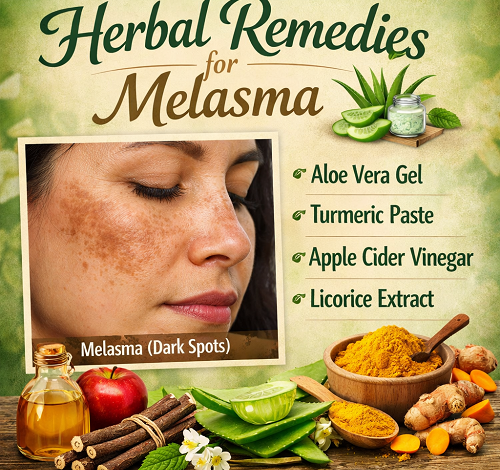
Melasma is a common skin condition that causes brown or gray-brown patches, typically on the face. It most often appears on the cheeks, forehead, nose, and upper lip. Although it is not dangerous, melasma can affect self-confidence and overall well-being. Many people look for gentle, natural solutions to help manage this condition, which is why Herbal Remedies for Melasma have gained increasing attention.
The causes of melasma, how herbal ingredients may help reduce dark patches safely, and practical ways to use these Herbal Remedies at home.
Understanding Melasma
Melasma is a type of hyperpigmentation. According to dermatological sources, it is often triggered by:
- Hormonal changes (pregnancy, birth control pills)
- Excessive sun exposure
- Genetic predisposition
- Certain medications
- Skin inflammation
It is sometimes referred to as the “mask of pregnancy” because it commonly develops during pregnancy due to hormonal fluctuations. Ultraviolet (UV) rays stimulate melanocytes (pigment-producing cells), leading to increased melanin production and dark patches.
While medical treatments such as hydroquinone, retinoids, and chemical peels are available, they may not suit everyone. Some people prefer Herbal Remedies for Melasma because they are generally gentler and more natural when used correctly.
Why Consider Herbal Remedies for Melasma?
Many Herbal Remedies contain plant-based compounds with:
- Antioxidant properties
- Anti-inflammatory effects
- Natural skin-brightening abilities
- Melanin-regulating compounds
When combined with proper sun protection and skincare, these remedies may help gradually lighten dark patches and improve overall skin tone.
However, it is essential to understand that herbal treatments work slowly and require consistent use.
Top Herbal Remedies for Melasma
Below are some of the most effective Herbal Remedies that may help reduce melasma safely.
1. Aloe Vera
Aloe vera is widely used in skincare due to its soothing and healing properties. It contains aloin, a natural depigmenting compound that may help lighten dark spots.
Benefits:
- Reduces pigmentation
- Soothes irritated skin
- Promotes skin regeneration
How to Use:
- Extract fresh aloe gel from the leaf.
- Apply directly to affected areas.
- Leave overnight.
- Rinse in the morning.
Use daily for best results.
2. Turmeric
Turmeric is a powerful herbal ingredient known for its anti-inflammatory and antioxidant effects. Curcumin, its active compound, may help reduce melanin production.
Benefits:
- Brightens complexion
- Reduces inflammation
- Improves uneven skin tone
DIY Mask:
- Mix 1 teaspoon turmeric powder with milk or yogurt.
- Apply to dark patches.
- Leave for 15–20 minutes.
- Rinse thoroughly.
Use 2–3 times weekly.
3. Licorice Root Extract
Licorice root contains glabridin, a compound that may inhibit tyrosinase, an enzyme involved in melanin production.
Benefits:
- Lightens hyperpigmentation
- Reduces redness
- Provides antioxidant protection
How to Use:
Look for skincare products containing licorice extract or apply diluted licorice extract directly to affected areas once daily.
4. Green Tea
Green tea is rich in polyphenols and antioxidants. It may help reduce pigmentation and protect skin from UV damage.
Benefits:
- Reduces oxidative stress
- Supports skin healing
- Calms inflammation
How to Use:
- Brew green tea and allow it to cool.
- Apply with a cotton pad to affected areas.
- Repeat daily.
5. Sandalwood
Sandalwood has been traditionally used for skin brightening and complexion improvement.
Benefits:
- Evens skin tone
- Soothes irritation
- Enhances natural glow
DIY Remedy:
Mix sandalwood powder with rose water to form a paste. Apply to dark patches and rinse after 20 minutes.
6. Apple Cider Vinegar
Apple cider vinegar contains acetic acid, which may promote gentle exfoliation and reduce pigmentation.
How to Use:
- Dilute with equal parts water.
- Apply with cotton.
- Leave for 5–10 minutes.
- Rinse.
Use only a few times per week to avoid irritation.
7. Neem
Neem has antibacterial and anti-inflammatory properties that support skin health.
Benefits:
- Reduces inflammation
- Promotes clearer skin
- Supports healing
Neem paste can be applied 2–3 times weekly.
Important Safety Tips When Using Herbal Remedies for Melasma
While Herbal Remedies are natural, they can still cause irritation or allergic reactions.
Follow These Guidelines:
✔ Always perform a patch test.
✔ Use sunscreen daily (SPF 30 or higher).
✔ Avoid excessive sun exposure.
✔ Do not mix too many remedies at once.
✔ Stop use if irritation occurs.
Sun protection is especially crucial because UV exposure can worsen melasma.
Lifestyle Changes That Support Herbal Remedies
To maximize the benefits of Herbal Remedies for Melasma, consider:
- Wearing wide-brimmed hats
- Using broad-spectrum sunscreen daily
- Eating antioxidant-rich foods
- Managing stress
- Avoiding harsh chemical skincare products
Hormonal balance also plays a role. If melasma is pregnancy-related or linked to birth control pills, consult a healthcare provider before making changes.
How Long Do Herbal Remedies Take to Work?
Unlike prescription treatments, Herbal Remedies typically show gradual improvement over weeks or months. Consistency is key. Most individuals notice visible changes after:
- 4–8 weeks of regular use
- Strict sun protection
- Healthy skincare routine
Results vary depending on skin type, severity of melasma, and overall lifestyle.
When to See a Dermatologist
If melasma persists or worsens despite using Herbal Remedies for Melasma, professional evaluation is recommended. A dermatologist may suggest:
- Topical treatments
- Chemical peels
- Laser therapy
- Prescription creams
Herbal approaches can often be combined with medical treatments under supervision.
Final Thoughts
Melasma can be frustrating, but it is manageable with patience and proper care. Herbal Remedies for Melasma provide a natural, gentle approach to reducing dark patches safely. Ingredients like aloe vera, turmeric, licorice root, green tea, sandalwood, apple cider vinegar, and neem may support skin brightening and improve overall complexion.
However, the most critical step in managing melasma is consistent sun protection. Herbal solutions work best when paired with a healthy lifestyle and protective skincare habits.