

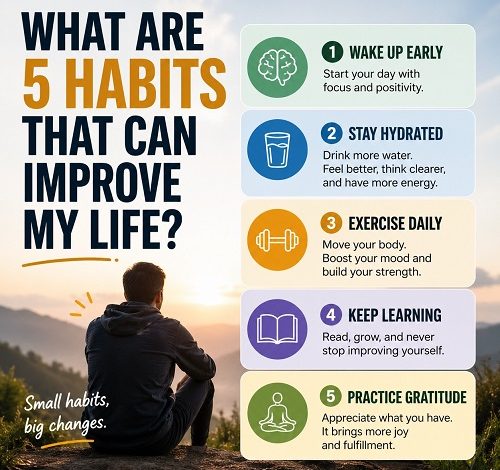
In a world filled with distractions, stress, and endless to-do lists, it’s easy to feel stuck or overwhelmed. Many people search for big changes—new careers, major life decisions, or drastic transformations—thinking that’s the key to happiness and success. But the truth is simpler and more powerful: small, consistent habits shape your life more than anything else.
Your daily routines determine your health, mindset, productivity, and overall happiness. The right habits can help you feel more energized, focused, and fulfilled—without needing a complete life overhaul. Five powerful habits that can genuinely improve your life. These habits are simple, practical, and backed by psychology and real-world success. If you apply them consistently, you’ll start noticing meaningful changes in how you think, feel, and live.
1. Start Your Day with Intention
Why It Matters
How you begin your day sets the tone for everything that follows. If you wake up and immediately check your phone, rush through your morning, or feel stressed before the day even begins, you’re already starting at a disadvantage.
On the other hand, a calm and intentional morning routine can help you feel grounded, focused, and in control.
What This Habit Looks Like
Starting your day with intention doesn’t mean waking up at 5 AM or following a strict routine. It simply means being mindful about how you begin your day.
You can:
- Wake up 15–30 minutes earlier than usual
- Avoid checking your phone immediately
- Take a few minutes to breathe, stretch, or reflect
- Set 1–3 priorities for the day
Simple Morning Routine Example
- Wake up and drink a glass of water
- Spend 5 minutes in silence or deep breathing
- Write down your top goals for the day
- Do light stretching or a short walk
Benefits
- Improved focus and productivity
- Reduced stress and anxiety
- Greater sense of control over your life
Key Insight
You don’t need a perfect morning routine. Even 10 intentional minutes can dramatically change your day.
2. Practice Daily Gratitude
Why It Matters
Most people focus on what’s missing in their lives—more money, better opportunities, or fewer problems. This mindset creates stress and dissatisfaction.
Gratitude flips that perspective. It trains your brain to notice what’s already good in your life.
What This Habit Looks Like
Gratitude is not just saying “thank you”—it’s actively recognizing the positive aspects of your life.
You can:
- Write down 3 things you’re grateful for each day
- Reflect on positive moments before going to bed
- Express appreciation to people around you
Simple Gratitude Practice
Every night, write:
- One thing that made you smile
- One person you appreciate
- One small win from your day
Benefits
- Increased happiness and emotional well-being
- Reduced stress and negative thinking
- Stronger relationships
Common Mistake
Many people think gratitude has to be about big things. It doesn’t. Even small things—like a good meal, a kind message, or a peaceful moment—count.
Key Insight
Gratitude doesn’t change your situation overnight—but it changes how you experience your life, which is just as important.
3. Move Your Body Every Day
Why It Matters
Your physical health directly affects your mental and emotional well-being. When you’re inactive, you may feel sluggish, unmotivated, and even anxious.
Exercise isn’t just about fitness—it’s about energy, clarity, and long-term health.
What This Habit Looks Like
You don’t need a gym membership or intense workouts. The goal is simple: move your body daily.
Options include:
- Walking for 20–30 minutes
- Light stretching or yoga
- Home workouts
- Cycling or playing a sport
Beginner-Friendly Routine
- Start with 10–15 minutes a day
- Gradually increase intensity
- Choose activities you enjoy
Benefits
- Increased energy levels
- Better mood and reduced stress
- Improved sleep quality
- Long-term health benefits
Common Excuse
“I don’t have time.”
But even 10 minutes is better than nothing. Consistency matters more than intensity.
Key Insight
Movement is not optional—it’s essential. Treat it like brushing your teeth: a non-negotiable part of your day.
4. Limit Digital Distractions
Why It Matters
We live in a digital world where constant notifications, social media, and endless scrolling can consume hours of our day. This habit drains focus, reduces productivity, and increases stress.
If you feel like you’re always busy but not getting much done, digital distractions might be the reason.
What This Habit Looks Like
Limiting distractions doesn’t mean quitting technology. It means using it intentionally instead of mindlessly.
You can:
- Turn off unnecessary notifications
- Set time limits for social media
- Avoid using your phone during meals or before bed
- Schedule focused work sessions
Practical Tips
- Use the “Do Not Disturb” mode during work
- Keep your phone in another room while working
- Set specific times to check messages
Benefits
- Improved focus and productivity
- Better mental clarity
- More time for meaningful activities
Realization
Most people underestimate how much time they lose to distractions. Even reducing screen time by 1–2 hours daily can transform your productivity.
Key Insight
Your attention is your most valuable resource. Protect it.
5. Commit to Continuous Learning
Why It Matters
The world is constantly changing. If you’re not learning, you’re falling behind—not just professionally, but personally as well.
Learning keeps your mind sharp, boosts confidence, and opens new opportunities.
What This Habit Looks Like
Continuous learning doesn’t require formal education. It’s about curiosity and growth.
You can:
- Read books or articles daily
- Listen to podcasts
- Watch educational videos
- Learn a new skill or language
Simple Learning Routine
- Spend 15–30 minutes daily learning something new
- Keep a notebook for ideas and insights
- Apply what you learn in real life
Benefits
- Increased confidence and knowledge
- Better problem-solving skills
- More opportunities in career and life
Common Mistake
Many people consume information but never apply it. Learning only becomes powerful when you take action.
Key Insight
Even 1% improvement every day leads to massive growth over time.
How to Make These Habits Stick
Knowing these habits is one thing—actually following them is another. Here’s how you can make them part of your life:
1. Start Small
Don’t try to change everything at once. Pick one habit and focus on it.
2. Be Consistent
Consistency matters more than perfection. Missing a day is okay—just don’t quit.
3. Track Your Progress
Use a journal or habit tracker to stay accountable.
4. Create Triggers
Attach new habits to existing ones. For example:
- Practice gratitude before bed
- Stretch after waking up
5. Be Patient
Real change takes time. Give yourself weeks or months—not days.
The Power of Combining These Habits
Each of these habits is powerful on its own—but together, they create a strong foundation for a better life.
Imagine this daily routine:
- You start your day with intention
- Move your body for energy
- Stay focused without distractions
- Learn something new
- End your day with gratitude
This combination leads to:
- Better physical health
- Stronger mental clarity
- Increased productivity
- Greater emotional well-being
Final Thoughts
Improving your life doesn’t require dramatic changes or complicated strategies. It comes down to simple habits practiced consistently.
Let’s recap the five habits:
- Start your day with intention
- Practice daily gratitude
- Move your body every day
- Limit digital distractions
- Commit to continuous learning
These habits are practical, achievable, and powerful. You don’t need to implement all of them at once. Start with one, build momentum, and gradually add more.