
Living with scleroderma can feel overwhelming, especially when symptoms interfere with daily comfort and quality of life. While conventional treatments often focus on managing complications, many people are increasingly searching for natural ways to manage scleroderma without relying heavily on harsh medications. The good news is that several holistic strategies can support your body, reduce symptoms, and improve overall well-being.
Understanding Scleroderma and Its Challenges
Scleroderma is a chronic autoimmune condition that causes the body to produce excessive collagen. This leads to hardening and tightening of the skin and, in some cases, affects internal organs such as the lungs, kidneys, and digestive system.
Common symptoms include:
- Skin thickening and tightness
- Joint pain and stiffness
- Raynaud’s phenomenon (reduced blood flow to fingers and toes)
- Digestive issues
- Fatigue
Because the condition varies widely from person to person, a personalized and balanced approach is essential. That’s where natural methods can play a powerful supportive role.
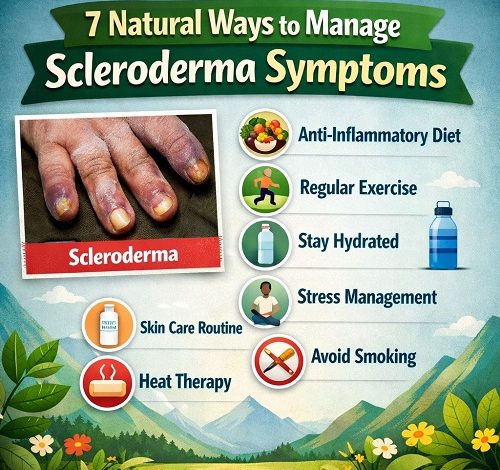
7 Natural Ways to Manage Scleroderma Symptoms
1. Anti-Inflammatory Diet: Healing from Within
One of the most effective natural ways to manage scleroderma is through diet. Since inflammation plays a key role in autoimmune conditions, eating anti-inflammatory foods can help reduce symptom severity.
What to Eat
Focus on nutrient-dense, whole foods:
- Leafy greens (spinach, kale)
- Fatty fish (salmon, sardines)
- Nuts and seeds (walnuts, flaxseeds)
- Fresh fruits (berries, oranges)
- Olive oil and avocado
What to Avoid
Certain foods may trigger inflammation:
- Processed foods
- Refined sugars
- Excessive dairy
- Fried and fast foods
Why It Works
An anti-inflammatory diet helps regulate the immune system, reduces oxidative stress, and supports tissue repair—critical factors for scleroderma management.
2. Gentle Exercise for Mobility and Circulation
Physical activity is essential for maintaining flexibility and reducing stiffness. However, intense workouts can sometimes worsen symptoms, so gentle exercise is key.
Best Exercises for Scleroderma
- Stretching routines
- Yoga
- Walking
- Swimming
- Light resistance training
Benefits
- Improves blood circulation
- Reduces joint stiffness
- Enhances muscle strength
- Boosts mood and energy
Pro Tip
Consistency matters more than intensity. Even 20–30 minutes of daily movement can make a noticeable difference.
3. Stress Management and Mind-Body Techniques
Stress is a major trigger for autoimmune flare-ups. Managing emotional health is one of the most overlooked yet powerful natural ways to manage scleroderma.
Effective Stress-Relief Practices
- Meditation
- Deep breathing exercises
- Progressive muscle relaxation
- Journaling
- Spending time in nature
Mind-Body Connection
Chronic stress increases inflammation and weakens immune balance. By calming the mind, you help regulate your body’s response to the disease.
Daily Practice Idea
Start your day with 10 minutes of mindfulness meditation—it can set a calm tone for the entire day.
4. Herbal Remedies and Natural Supplements
Many Herbal Remedies for Scleroderma have anti-inflammatory and immune-supporting properties that can complement your routine.
Popular Natural Options
- Turmeric (curcumin): Reduces inflammation
- Ginger: Supports digestion and reduces pain
- Omega-3 fatty acids: Promote heart and joint health
- Aloe vera: Helps with skin hydration and healing
- Vitamin D: Supports immune regulation
Important Note
Always consult a healthcare professional before adding supplements, especially if you are on medication.
Why They Help
These natural compounds work gently with the body, helping reduce symptoms without the side effects associated with some pharmaceutical treatments.
5. Skin Care and Natural Moisturization
Skin tightening and dryness are hallmark symptoms of scleroderma. Proper skincare can significantly improve comfort and flexibility.
Natural Skin Care Tips
- Use coconut oil or shea butter for deep hydration
- Apply moisturizers immediately after bathing
- Avoid harsh soaps and chemicals
- Use lukewarm water instead of hot showers
Massage Therapy
Gentle massage with natural oils can:
- Improve circulation
- Reduce skin stiffness
- Enhance relaxation
Consistency is Key
Daily moisturizing helps maintain skin elasticity and prevents cracking or discomfort.
6. Improve Circulation Naturally
Poor blood flow, especially in fingers and toes, is a common issue in scleroderma patients.
Natural Ways to Boost Circulation
- Keep warm (wear gloves and socks)
- Practice hand and foot exercises
- Use warm compresses
- Stay hydrated
- Avoid smoking and caffeine
Hydrotherapy
Alternating between warm and cool water can stimulate blood flow and reduce symptoms of Raynaud’s phenomenon.
Why It Matters
Better circulation helps deliver oxygen and nutrients to tissues, supporting healing and reducing pain.
7. Gut Health and Digestive Support
Many people with scleroderma experience digestive problems such as acid reflux, bloating, or constipation. Improving gut health is a crucial component of natural ways to manage scleroderma.
Gut-Friendly Habits
- Eat smaller, more frequent meals
- Include probiotic-rich foods (yogurt, kefir, fermented vegetables)
- Stay hydrated
- Avoid trigger foods like spicy or acidic items
Digestive Enzymes
Natural digestive enzymes can help improve nutrient absorption and reduce discomfort.
The Gut-Immune Connection
A healthy gut supports immune balance, which is vital in managing autoimmune diseases.
Additional Lifestyle Tips for Better Management
Get Quality Sleep
Aim for 7–9 hours of restful sleep each night. Poor sleep can worsen inflammation and fatigue.
Stay Hydrated
Water supports detoxification, skin health, and circulation.
Avoid Environmental Triggers
Cold weather, stress, and certain chemicals can trigger flare-ups—identify and minimize your exposure.
Creating a Personalized Natural Routine
The best approach to managing scleroderma naturally is consistency and personalization. Not every method works the same for everyone, so it’s important to listen to your body.
Sample Daily Routine
- Morning: Meditation + gentle stretching
- Breakfast: Anti-inflammatory meal
- Midday: Light walk + hydration
- Afternoon: Balanced meal + herbal tea
- Evening: Skin care routine + relaxation
When to Seek Medical Advice
While natural remedies can be highly beneficial, they should not replace professional medical care—especially in severe cases.
Consult your doctor if you experience:
- Rapid symptom progression
- Difficulty breathing
- Severe digestive issues
- Persistent pain
Combining natural methods with medical guidance often provides the best outcomes.
Final Thoughts
Managing scleroderma doesn’t have to rely solely on aggressive treatments. By incorporating these natural ways to manage scleroderma, you can take a more balanced and empowering approach to your health.
From nourishing your body with anti-inflammatory foods to reducing stress and improving circulation, these strategies work together to support your overall well-being. The journey may require patience and experimentation, but small, consistent changes can lead to meaningful improvements in your quality of life.