Top Herbal Remedies for Depersonalization Disorder That Support Mental Clarity

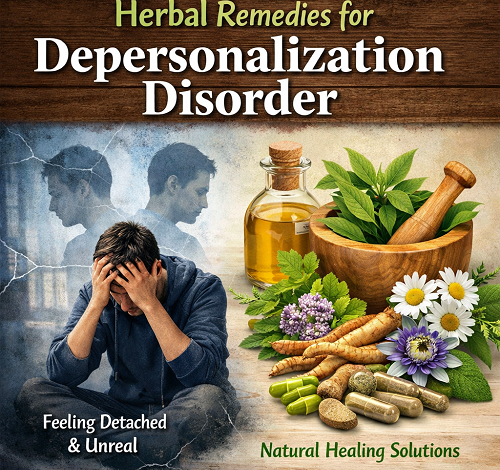
Depersonalization disorder can be a confusing and distressing experience. Many people describe it as feeling detached from their own thoughts, emotions, or body, almost as if they are watching themselves from the outside. This sensation can interfere with daily life, work, and relationships. While medical guidance and therapy are essential parts of treatment, many individuals also explore natural approaches to support their mental well-being.
In recent years, interest in Herbal Remedies for Depersonalization Disorder has grown. Certain herbs have traditionally been used to support brain function, reduce anxiety, and promote emotional balance. When combined with healthy lifestyle habits and professional care, herbal support may help improve mental clarity and overall well-being.
The possible causes of depersonalization disorder and discuss some of the most promising herbal remedies that may help support recovery naturally.
Understanding Depersonalization Disorder
Depersonalization disorder is a mental health condition where a person experiences persistent or recurring feelings of detachment from themselves. It is part of a group of conditions called dissociative disorders.
Common symptoms include:
- Feeling disconnected from your body or thoughts
- Emotional numbness
- A sense of observing yourself from outside
- Distorted perception of time or surroundings
- Difficulty concentrating
- Anxiety or panic attacks
Many people who experience this condition say they feel as if they are in a dream or watching their life through a screen.
The disorder may develop due to several factors such as:
- Severe stress or trauma
- Anxiety disorders
- Depression
- Sleep deprivation
- Substance use
- Emotional burnout
Because the brain enters a protective mode during overwhelming stress, it may temporarily disconnect from emotions or reality. Over time, this coping mechanism can become persistent.
This is why many treatments focus on calming the nervous system and restoring mental balance. This is also where Herbal Remedies for Depersonalization Disorder may offer supportive benefits.
Why People Look for Herbal Remedies
Modern lifestyles expose people to constant stress, digital overload, and sleep disturbances. These factors can worsen feelings of dissociation and anxiety.
Many individuals prefer herbal solutions because they often:
- Support the nervous system naturally
- Promote relaxation without heavy sedation
- Improve sleep quality
- Reduce anxiety and mental fog
- Support brain health
Herbal medicine has been used in traditional systems such as Ayurveda, Traditional Chinese Medicine, and Western herbalism for centuries to support emotional stability and cognitive clarity.
6: Herbal Remedies for Depersonalization Disorder
While herbs are not a replacement for professional treatment, they may complement therapy and healthy lifestyle changes.
1. Ashwagandha – The Stress Stabilizer
Ashwagandha is one of the most respected herbs in Ayurvedic medicine. It is classified as an adaptogen, meaning it helps the body adapt to stress.
Stress and anxiety are major triggers for depersonalization symptoms. Ashwagandha may help regulate the body’s stress response by supporting healthy cortisol levels.
Potential benefits include:
- Reduced anxiety and nervous tension
- Improved mental clarity
- Better sleep quality
- Stabilized mood
- Enhanced resilience to stress
When the nervous system becomes calmer, feelings of detachment may gradually decrease. Many people report feeling more grounded and present after using this herb consistently.
Ashwagandha is often included in Herbal Remedies for Depersonalization Disorder because it supports both the mind and body.
2. Ginkgo Biloba – The Brain Circulation Booster
Ginkgo Biloba has been used for centuries to support brain function and circulation. It is widely known for its potential cognitive benefits.
People experiencing depersonalization sometimes struggle with:
- Brain fog
- Memory issues
- Difficulty focusing
- Mental fatigue
Ginkgo may help by improving blood flow to the brain, which can enhance mental alertness and clarity.
Possible benefits include:
- Improved concentration
- Better cognitive performance
- Reduced mental fatigue
- Support for emotional stability
Some researchers believe that improved brain circulation may help individuals feel more connected to their surroundings.
For this reason, Ginkgo is commonly recommended among Herbal Remedies for Depersonalization Disorder.
3. Rhodiola Rosea – The Mental Energy Herb
Rhodiola Rosea is another adaptogenic herb known for supporting mental endurance and reducing fatigue.
Chronic stress can drain the brain’s ability to regulate emotions and perception. Rhodiola may help restore balance by supporting neurotransmitters involved in mood and focus.
Potential benefits include:
- Reduced stress and burnout
- Increased mental energy
- Improved mood
- Enhanced focus
Some people who struggle with dissociation also experience extreme mental exhaustion. Rhodiola may help bring back a sense of clarity and alertness.
Because of its energizing yet calming properties, it is frequently included in natural protocols involving Herbal Remedies for Depersonalization Disorder.
4. Bacopa Monnieri – The Memory and Clarity Herb
Bacopa Monnieri, also known as Brahmi, has long been used in Ayurvedic medicine to support the brain and nervous system.
It is traditionally used to:
- Improve memory
- Support concentration
- Reduce anxiety
- Promote emotional balance
Bacopa works gradually by nourishing the nervous system and supporting healthy neurotransmitter activity.
People experiencing depersonalization often report difficulty staying mentally present. Bacopa may help improve awareness and cognitive function over time.
Because of these effects, many herbal practitioners include it among the most promising Herbal Remedies for Depersonalization Disorder.
5. Lemon Balm – The Calmness Herb
Lemon Balm is a gentle herb from the mint family known for its calming effects on the nervous system.
It has traditionally been used to help with:
- Anxiety
- Restlessness
- Sleep problems
- Nervous tension
For individuals dealing with depersonalization, calming the mind is often a key step toward feeling normal again.
Lemon balm may help:
- Relax the body and mind
- Improve sleep quality
- Reduce racing thoughts
- Promote emotional balance
Better sleep and reduced anxiety can significantly improve symptoms associated with dissociation.
This is why lemon balm is considered one of the supportive Herbal Remedies for Depersonalization Disorder.
6. Passionflower – The Nervous System Soother
Passionflower has long been used as a natural remedy for anxiety and nervous system imbalance.
It may help regulate GABA, a neurotransmitter that promotes relaxation and emotional stability.
Possible benefits include:
- Reduced anxiety
- Better sleep
- Calm mental state
- Reduced overstimulation
Many people with depersonalization disorder feel stuck in a heightened stress response. Passionflower may help signal the brain that it is safe to relax.
When the nervous system calms down, the mind may begin reconnecting with reality and emotions.
Lifestyle Habits That Improve Results
Herbs work best when combined with healthy habits. Supporting the brain and nervous system requires a holistic approach.
Helpful lifestyle strategies include:
1. Improve Sleep Quality
Poor sleep can worsen dissociation. Aim for 7–9 hours of consistent rest.
2. Practice Grounding Techniques
Grounding helps reconnect your mind and body.
Examples include:
- Deep breathing
- Walking barefoot on grass
- Mindfulness meditation
- Cold water face washing
3. Reduce Stimulants
Too much caffeine or energy drinks may increase anxiety and trigger symptoms.
4. Eat Brain-Supporting Foods
Foods that support mental clarity include:
- Leafy greens
- Nuts and seeds
- Fatty fish
- Whole grains
- Berries
5. Spend Time in Nature
Nature exposure can calm the nervous system and reduce stress hormones.
Important Safety Considerations
Although Herbal Remedies for Depersonalization Disorder may offer supportive benefits, they should be used responsibly.
Important precautions include:
- Always consult a healthcare professional before starting new supplements
- Some herbs may interact with medications
- Start with small doses
- Choose high-quality herbal products
- Pregnant or nursing individuals should seek medical advice
Herbs work best as part of a broader mental health plan that may include therapy, lifestyle adjustments, and professional guidance.
When to Seek Professional Help
Depersonalization disorder can sometimes be linked to underlying mental health conditions such as anxiety disorders, PTSD, or depression.
Professional support may include:
- Cognitive Behavioral Therapy (CBT)
- Trauma therapy
- Stress management programs
- Medical evaluation
Natural approaches can complement these treatments but should not replace them.
If symptoms become severe or interfere with daily life, reaching out to a qualified professional is essential.
Final Thoughts
Depersonalization disorder can make people feel disconnected, confused, and overwhelmed. However, recovery is possible with the right support and lifestyle changes. Many individuals are now exploring Herbal Remedies for Depersonalization Disorder to help calm the nervous system, improve mental clarity, and restore emotional balance. Herbs such as ashwagandha, ginkgo biloba, rhodiola rosea, bacopa monnieri, lemon balm, and passionflower have long traditions of supporting brain health and stress resilience.
While herbal remedies are not a cure, they may provide gentle and natural support on the journey toward feeling present, grounded, and mentally clear again. Combining these remedies with proper sleep, stress management, therapy, and healthy nutrition can make a significant difference in overall well-being.