7 Vegetables That Supercharge Your Metabolism in Just 48 Hours – Nutritionists Missed This

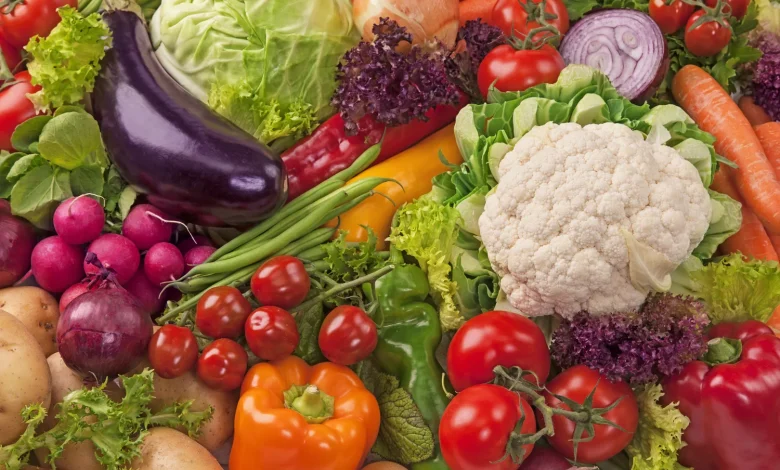
In today’s fast-paced world, everyone is searching for ways to boost their metabolism and burn calories more efficiently. While diet and exercise are commonly discussed, there’s an overlooked, natural way to ignite your body’s calorie-burning engine: vegetables. Yes, the humble vegetables sitting in your fridge may hold the secret to revving up your metabolism in as little as 48 hours. Surprisingly, many nutritionists often overlook the specific vegetables that deliver this effect, focusing instead on general advice like “eat more greens” or “reduce sugar intake.”
Here, we’ll dive into seven powerhouse vegetables that can supercharge your metabolism, along with practical tips on incorporating them into your meals.
Understanding Metabolism and Why Vegetables Matter
Metabolism refers to the chemical processes that occur within your body to maintain life. It converts the food you eat into energy, influences your body weight, supports organ function, and impacts overall health. A faster metabolism can help with weight management, energy levels, and even mental clarity.
Certain foods, particularly vegetables, can naturally enhance metabolic function by:
- Boosting thermogenesis: The process of generating heat by burning calories.
- Increasing nutrient absorption: Essential vitamins and minerals improve enzymatic activity that drives metabolism.
- Enhancing gut health: Fiber-rich vegetables improve digestion and gut microbiota, which in turn regulates metabolic hormones.
Now, let’s look at the seven vegetables that can ignite your metabolism faster than most people realize.
1. Broccoli – The Metabolism Multiplier
Broccoli isn’t just a staple side dish; it’s a metabolism powerhouse.
Why Broccoli Works
Broccoli is high in sulforaphane, a natural compound known to boost fat-burning enzymes in the body. It’s also rich in fiber, which slows digestion and keeps you feeling full longer, preventing overeating.
How to Incorporate Broccoli
- Steam lightly to preserve nutrients.
- Add to salads with a sprinkle of olive oil and lemon.
- Stir-fry with garlic and chili for a spicy metabolic kick.
Research shows that consuming cruciferous vegetables like broccoli can enhance calorie burn and reduce fat accumulation, making it a crucial component of a metabolism-boosting diet.
2. Spinach – The Iron-Rich Energizer
Spinach is often celebrated for its iron content, but it also plays a vital role in metabolism.
Why Spinach Works
Iron is essential for transporting oxygen in your blood and powering cellular energy production. Low iron levels can slow metabolism, making it harder to burn calories efficiently. Spinach also contains magnesium, which is crucial for hundreds of enzymatic reactions, including those related to energy production.
How to Incorporate Spinach
- Morning smoothies: Blend spinach with fruit for a nutrient-packed start.
- Lightly sauté with olive oil and garlic.
- Add to omelets or salads for a metabolism-friendly breakfast or lunch.
Spinach’s nutrient density, combined with its low-calorie content, makes it ideal for enhancing metabolic function without adding unnecessary calories.
3. Chili Peppers – Ignite Your Calorie Burn
If you like a little spice in your meals, chili peppers may be your best friend for metabolism.
Why Chili Peppers Work
Chili peppers contain capsaicin, a compound that increases thermogenesis and calorie expenditure. Studies suggest that consuming capsaicin-rich foods can raise metabolism by up to 5%, translating to an extra 50-100 calories burned per day, depending on your diet.
How to Incorporate Chili Peppers
- Add chopped chili to soups, stews, or stir-fries.
- Use chili powder or flakes on roasted vegetables.
- Mix into sauces for a spicy metabolism boost.
Just a small amount of chili pepper can trigger a noticeable increase in calorie burn, making it a simple and effective metabolic enhancer.
4. Brussels Sprouts – The Fat-Fighting Fiber Source
Brussels sprouts are tiny but mighty when it comes to metabolism.
Why Brussels Sprouts Work
Brussels sprouts are high in fiber and antioxidants, which help regulate blood sugar and insulin levels. Stable blood sugar prevents fat storage and encourages your body to use calories more efficiently. Additionally, the glucosinolates in Brussels sprouts can promote fat metabolism.
How to Incorporate Brussels Sprouts
- Roast with olive oil and herbs for a crispy, flavorful side.
- Steam and toss with a light vinaigrette.
- Slice thinly for salads or grain bowls.
Regular consumption of fiber-rich vegetables like Brussels sprouts supports gut health, which is directly linked to improved metabolic efficiency.
5. Asparagus – The Detoxifying Metabolism Booster
Asparagus is often overlooked but is highly effective at stimulating metabolism.
Why Asparagus Works
Asparagus contains inulin, a prebiotic fiber that feeds healthy gut bacteria. A healthy gut microbiome improves digestion, nutrient absorption, and hormonal balance—all key factors in metabolism. Additionally, asparagus has diuretic properties, helping reduce water retention and support nutrient utilization.
How to Incorporate Asparagus
- Grill or roast with a light drizzle of olive oil.
- Steam lightly and serve with a squeeze of lemon.
- Add to stir-fries or pasta for extra fiber and flavor.
By supporting gut health and nutrient absorption, asparagus indirectly encourages your body to burn calories more effectively.
6. Cauliflower – The Low-Calorie Metabolism Enhancer
Cauliflower is a versatile vegetable that does more than just replace carbs in low-calorie diets.
Why Cauliflower Works
Cauliflower is rich in choline, a nutrient that supports fat metabolism in the liver. It also contains fiber and antioxidants that stabilize blood sugar and support metabolic processes. Low-calorie yet nutrient-dense, cauliflower can help create a calorie deficit while fueling your body with essential nutrients.
How to Incorporate Cauliflower
- Make cauliflower rice as a low-calorie base for meals.
- Roast with spices for a crunchy side dish.
- Blend into soups or smoothies for extra fiber and creaminess.
Cauliflower’s combination of fiber, antioxidants, and choline makes it a metabolism-friendly choice that nutritionists often underestimate.
7. Kale – The Nutrient-Dense Calorie Burner
Kale has earned its reputation as a superfood, and for good reason—it also boosts metabolism.
Why Kale Works
Kale is loaded with vitamins A, C, and K, minerals like calcium and magnesium, and powerful antioxidants. These nutrients support thyroid function, which directly affects metabolic rate. Kale also has high fiber content, promoting satiety and steady energy release.
How to Incorporate Kale
- Massage raw kale with olive oil and lemon for salads.
- Sauté lightly with garlic and chili flakes.
- Blend into green smoothies for a metabolism-friendly drink.
Including kale in your daily meals can improve metabolic efficiency while providing essential nutrients your body needs to thrive.
Tips to Maximize Metabolic Boost from Vegetables
Simply eating these vegetables is a great start, but following these strategies will amplify their effects:
- Combine with Protein: Pair vegetables with lean protein like chicken, fish, or tofu to further increase thermogenesis.
- Eat Small, Frequent Meals: This prevents metabolic slowdown and keeps energy levels steady.
- Hydrate: Drinking water supports digestion and metabolism; aim for at least 8 glasses a day.
- Incorporate Spices: Ginger, turmeric, and cinnamon can enhance metabolism alongside these vegetables.
- Limit Processed Foods: Highly processed foods slow metabolism and negate the effects of nutrient-rich vegetables.
Quick Meal Ideas for a 48-Hour Metabolism Boost
Here’s a sample 2-day plan to supercharge metabolism using the seven vegetables:
Day 1:
- Breakfast: Spinach smoothie with kale, banana, and chia seeds
- Lunch: Grilled broccoli and cauliflower with lean chicken
- Snack: Raw Brussels sprouts and carrots with hummus
- Dinner: Stir-fried asparagus and chili peppers with tofu
Day 2:
- Breakfast: Omelet with kale, spinach, and chopped chili
- Lunch: Roasted Brussels sprouts and broccoli salad with olive oil and lemon
- Snack: Cauliflower rice and guacamole
- Dinner: Grilled asparagus and chili with baked salmon
This simple plan incorporates all seven vegetables and maximizes metabolism-boosting compounds within 48 hours.
Conclusion
Boosting your metabolism doesn’t require expensive supplements, miracle pills, or drastic diets. Seven simple vegetables—broccoli, spinach, chili peppers, Brussels sprouts, asparagus, cauliflower, and kale—can naturally ignite your calorie-burning processes in as little as 48 hours.
By incorporating these vegetables into your meals, combining them with protein, staying hydrated, and avoiding processed foods, you can see noticeable improvements in energy levels, fat burning, and overall metabolic efficiency.
Nutritionists may overlook the specific power of these vegetables, but science and natural remedies agree: these nutrient-packed foods are your fastest route to a supercharged metabolism. Start today, and your body will thank you in just two days.