10 Powerful Herbal Remedies for Keratoconus That May Improve Vision Naturally

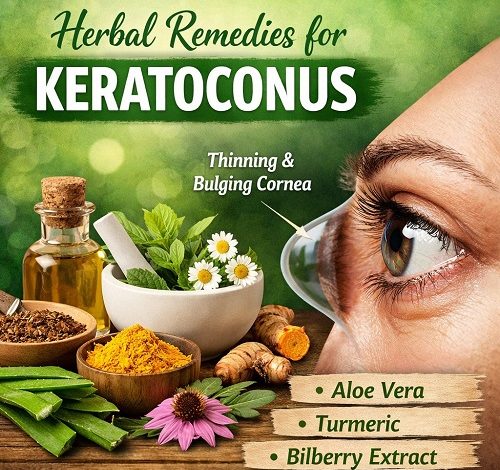
Keratoconus is a progressive eye condition that affects the shape and clarity of the cornea, leading to blurred vision, light sensitivity, and visual distortion. As the cornea gradually thins and bulges outward into a cone-like shape, everyday tasks such as reading, driving, or recognizing faces can become increasingly difficult.
While modern treatments such as specialized contact lenses, corneal cross-linking, and surgery are often recommended, many people are also exploring Herbal Remedies for Keratoconus to support eye health naturally. Herbal medicine has been used for centuries to strengthen tissues, reduce inflammation, improve circulation, and support overall eye function.
10 powerful Herbal Remedies for Keratoconus that may help nourish the eyes and support better vision. These natural approaches are often used alongside conventional treatments to help improve eye health and slow disease progression.
Understanding Keratoconus and Its Impact on Vision
Before exploring the remedies, it is important to understand how keratoconus affects the eyes.
The cornea is the transparent outer layer of the eye responsible for focusing light onto the retina. In keratoconus, the cornea becomes weak and thin, causing it to bulge outward. This irregular shape disrupts how light enters the eye, resulting in distorted or blurred vision.
Common symptoms include:
- Blurry or distorted vision
- Increased sensitivity to light
- Frequent changes in eyeglass prescriptions
- Difficulty seeing at night
- Eye strain or headaches
- Double vision in one eye
Researchers believe that oxidative stress, genetics, chronic eye rubbing, and collagen weakness may contribute to the development of keratoconus.
10 Powerful Herbal Remedies for Keratoconus
This is why many Natural Remedies for Keratoconus focus on strengthening collagen, reducing inflammation, and protecting the eyes from oxidative damage.
1. Bilberry – A Vision-Boosting Herbal Remedy
Bilberry is one of the most widely used Herbal Remedies for eye health. This berry contains powerful antioxidants called anthocyanins that help protect the retina and improve circulation in the eyes.
Benefits for Keratoconus
Bilberry may help:
- Strengthen capillaries in the eyes
- Improve night vision
- Protect corneal tissue from oxidative stress
- Reduce eye fatigue
Because keratoconus may be linked to oxidative damage in the cornea, antioxidants like bilberry can help protect eye cells and support healthier vision.
How to Use
Bilberry can be consumed as:
- Capsules or supplements
- Herbal tea
- Fresh or dried berries
Many herbal practitioners recommend regular bilberry supplementation as part of Natural Remedies for Keratoconus.
2. Eyebright – Traditional Herb for Eye Health
Eyebright has been used for centuries as a natural treatment for eye conditions. Its name itself reflects its traditional role in improving eye clarity.
Why Eyebright Helps
Eyebright contains compounds with anti-inflammatory and antimicrobial properties that may help soothe irritated eyes.
Possible benefits include:
- Reducing eye inflammation
- Supporting tear production
- Relieving eye strain
- Improving overall eye comfort
For people with keratoconus who often experience dry or irritated eyes, eyebright may provide soothing relief.
How to Use
Eyebright can be used in several forms:
- Herbal tea
- Eye wash (under professional guidance)
- Capsules
3. Turmeric – Powerful Anti-Inflammatory Herb
Turmeric is well known for its active compound curcumin, which has strong anti-inflammatory and antioxidant properties.
Inflammation and oxidative stress may contribute to corneal degeneration in keratoconus. Turmeric may help combat these processes.
Benefits for Eye Health
Turmeric may:
- Reduce inflammation in eye tissues
- Protect cells from oxidative damage
- Support immune health
- Improve blood circulation
Including turmeric in the diet or as a supplement is one of the most widely recommended Herbal Remedies for Keratoconus.
Ways to Use Turmeric
- Turmeric milk (golden milk)
- Turmeric supplements
- Adding turmeric to meals
Combining turmeric with black pepper increases its absorption.
4. Ginkgo Biloba – Enhancing Blood Flow to the Eyes
Ginkgo biloba is a well-known herb used to improve circulation and protect nerve tissues.
Healthy blood flow is essential for delivering oxygen and nutrients to the cornea and retina.
Potential Benefits
Ginkgo biloba may:
- Improve microcirculation in the eyes
- Protect optic nerve cells
- Reduce oxidative stress
- Support visual function
Some studies suggest that ginkgo may improve certain eye conditions by enhancing blood flow to ocular tissues.
5. Green Tea – Antioxidant Protection for Eye Cells
Green tea is rich in catechins, which are powerful antioxidants that help protect cells from damage.
Since oxidative stress is believed to play a role in keratoconus progression, green tea may help protect corneal tissue.
Benefits
Green tea may help:
- Reduce inflammation
- Protect corneal cells
- Support healthy collagen
- Improve overall eye health
Drinking green tea regularly is one of the simplest Natural Remedies for Keratoconus.
Recommended Intake
Many health experts suggest drinking 2–3 cups daily for antioxidant benefits.
6. Triphala – Ancient Ayurvedic Eye Tonic
Triphala is a traditional Ayurvedic herbal blend made from three fruits:
- Amla
- Haritaki
- Bibhitaki
It has been used in Ayurvedic medicine for centuries to support digestive health and eye function.
Why Triphala Is Good for Eyes
Triphala is rich in vitamin C and antioxidants that help detoxify tissues and support eye health.
Potential benefits include:
- Improving vision clarity
- Supporting corneal health
- Reducing inflammation
- Enhancing detoxification
Many practitioners consider Triphala one of the most effective Herbal Remedies for Keratoconus.
How to Use
Triphala can be taken as:
- Powder
- Capsules
- Herbal tea
7. Amla – Vitamin C Powerhouse for Eye Health
Amla, also known as Indian gooseberry, is one of the richest natural sources of vitamin C.
Vitamin C is essential for collagen production, which plays a crucial role in maintaining the structure of the cornea.
Benefits for Keratoconus
Amla may help:
- Strengthen corneal collagen
- Improve eye circulation
- Protect against oxidative damage
- Support immune function
Including amla in your diet can support natural eye repair and strengthen ocular tissues.
How to Consume Amla
- Amla juice
- Amla powder
- Fresh fruit
8. Fennel – Traditional Remedy for Vision Support
Fennel seeds have long been used in traditional medicine for improving eyesight.
They contain antioxidants, vitamins, and minerals that support eye function.
Benefits
Fennel may help:
- Improve visual clarity
- Reduce eye strain
- Support retinal health
- Enhance digestion (which indirectly supports nutrient absorption)
Some herbal traditions recommend fennel seeds mixed with almonds and sugar as a tonic for vision.
9. Saffron – Powerful Herb for Eye Protection
Saffron is one of the most valuable medicinal herbs known for its neuroprotective and antioxidant properties.
Research suggests saffron may improve retinal function and protect eye cells from degeneration.
Potential Benefits
Saffron may:
- Protect photoreceptor cells
- Improve visual acuity
- Reduce oxidative damage
- Support overall eye health
Although saffron is expensive, even small amounts may provide benefits as part of Natural Remedies for Keratoconus.
10. Aloe Vera – Healing Herb for Inflammation
Aloe vera is widely known for its healing and anti-inflammatory properties.
While it is commonly used for skin health, aloe vera also supports internal healing processes.
Benefits for Eye Health
Aloe vera may help:
- Reduce inflammation
- Support detoxification
- Improve nutrient absorption
- Strengthen immune function
Drinking aloe vera juice in moderation may support overall health, which indirectly benefits eye function.
Additional Natural Remedies for Keratoconus
In addition to Herbal Remedies for Keratoconus, several lifestyle practices can help support eye health.
1. Eat Eye-Healthy Foods
Focus on foods rich in:
- Vitamin A
- Vitamin C
- Omega-3 fatty acids
- Zinc
- Lutein and zeaxanthin
Foods such as carrots, spinach, salmon, eggs, and nuts are excellent for eye health.
2. Avoid Excessive Eye Rubbing
Frequent eye rubbing is strongly linked to the progression of keratoconus. Avoid touching or rubbing the eyes whenever possible.
3. Protect Eyes from UV Light
Wear sunglasses that block 100% UV rays when outdoors.
4. Maintain Proper Hydration
Hydration supports tear production and helps maintain healthy eye tissues.
When to See a Doctor
Although Herbal Remedies and Natural Remedies for Keratoconus may support eye health, keratoconus is a progressive medical condition that requires professional care.
You should consult an eye specialist if you experience:
- Rapid vision changes
- Severe eye pain
- Increased light sensitivity
- Difficulty wearing contact lenses
Early diagnosis and treatment can help prevent serious vision loss.
Final Thoughts
Keratoconus can significantly affect vision and quality of life, but natural approaches may help support eye health and slow the progression of the condition. Many people are now turning to Herbal Remedies for Keratoconus to strengthen the eyes, reduce inflammation, and protect delicate eye tissues from damage.
Herbs such as bilberry, eyebright, turmeric, ginkgo biloba, green tea, triphala, amla, fennel, saffron, and aloe vera offer promising benefits for supporting eye health naturally.
While these Natural Remedies for Keratoconus should not replace medical treatment, they can complement conventional care and contribute to overall eye wellness.
If you are considering herbal therapies, it is always best to consult with a healthcare professional or herbal specialist to ensure safe and effective use.
By combining healthy lifestyle habits, proper medical care, and powerful Herbal Remedies, you can take meaningful steps toward protecting your vision and maintaining long-term eye health.