Top Herbal Remedies for Cervical Dystonia That May Support Muscle Relaxation

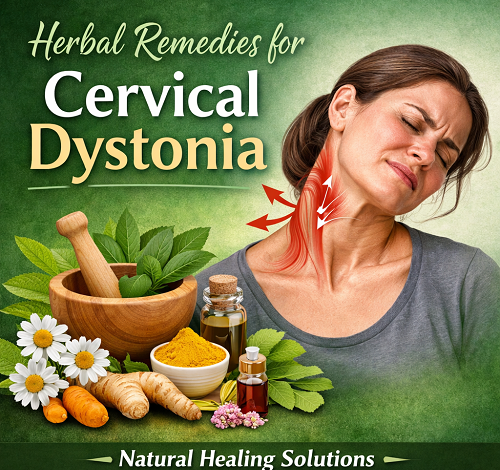
Living with cervical dystonia can be physically exhausting and emotionally challenging. The persistent muscle contractions, abnormal head posture, stiffness, and pain can interfere with daily life. While conventional medical treatments such as botulinum toxin injections, physical therapy, and medications remain the primary standard of care, many people also explore complementary approaches.
Herbal Remedies for Cervical Dystonia, how they may support muscle relaxation, and what current science suggests about their potential benefits. If you’re looking for natural options to complement your treatment plan, the possibilities and limitations of herbal support.
Understanding Cervical Dystonia
Cervical Dystonia, also known as spasmodic torticollis, is a neurological movement disorder that causes involuntary contractions of the neck muscles. These contractions may pull the head to one side, tilt it forward or backward, or cause repetitive jerking movements.
Common Symptoms
- Persistent neck pain
- Muscle stiffness and tightness
- Abnormal head posture
- Tremors
- Headaches
- Shoulder discomfort
The condition varies in severity. Some individuals experience mild symptoms, while others struggle with significant pain and limited mobility.
Why Consider Herbal Remedies for Cervical Dystonia?
Conventional treatments are effective for many people, but they may not eliminate all symptoms. Some individuals look toward Herbal Remedies as complementary support to:
- Promote muscle relaxation
- Reduce inflammation
- Support nervous system balance
- Ease stress and anxiety (which may worsen spasms)
- Improve sleep quality
It’s important to emphasize: herbal remedies should not replace medical care. Always consult your healthcare provider before adding herbs, especially if you’re taking medications.
Top Herbal Remedies for Cervical Dystonia That May Support Muscle Relaxation
Below are some of the most commonly discussed natural options for muscle relaxation and nervous system support.
1. Ashwagandha (Withania somnifera)
Ashwagandha is a well-known adaptogenic herb used in traditional Ayurvedic medicine. It may help the body manage stress and support nervous system function.
How It May Help:
- Reduces stress-related muscle tension
- Supports GABA activity (important for muscle relaxation)
- May improve sleep quality
- Helps regulate cortisol levels
Since stress can aggravate cervical dystonia symptoms, ashwagandha may indirectly support muscle relaxation by calming the nervous system.
2. Valerian Root
Valerian root is commonly used for anxiety and sleep disorders. It works by influencing GABA receptors in the brain.
Potential Benefits:
- Natural muscle relaxant properties
- Reduces nervous tension
- Promotes better sleep
- May help decrease muscle spasms
People who experience increased spasms at night may find valerian particularly helpful.
3. Passionflower
Passionflower is traditionally used for nervous anxiety and restlessness.
Why It’s Considered:
- Calming effect on the central nervous system
- May reduce mild muscle tension
- Helps ease stress-related flare-ups
- Supports relaxation before bedtime
For individuals whose symptoms worsen with anxiety, passionflower may offer supportive benefits.
4. Turmeric (Curcumin)
Turmeric contains curcumin, a powerful anti-inflammatory compound.
Possible Benefits:
- Reduces inflammation in muscles
- May decrease chronic pain
- Supports joint and tissue health
- Provides antioxidant protection
While turmeric does not directly relax muscles, reducing inflammation may help ease neck discomfort associated with cervical dystonia.
5. Magnesium-Rich Herbal Support (e.g., Nettle)
Stinging nettle is sometimes used to support mineral intake. Magnesium plays a key role in muscle relaxation.
How It May Help:
- Supports normal muscle contraction and relaxation
- May reduce cramping
- Helps calm nerve signaling
Though magnesium itself is a mineral, herbal teas like nettle may provide supportive nutritional value.
6. Chamomile
Chamomile is widely used for relaxation and sleep.
Benefits:
- Mild sedative effect
- Supports nervous system balance
- May help relieve tension headaches
- Promotes restful sleep
Better sleep can positively impact muscle recovery and reduce symptom severity.
7. Skullcap (Scutellaria)
Skullcap is traditionally used for nervous system disorders.
Potential Effects:
- May reduce involuntary muscle spasms
- Supports calming of overactive nerves
- Historically used for tremors
Some herbalists consider skullcap one of the stronger nervine relaxants.
How Herbal Remedies May Work in Cervical Dystonia
Herbal Remedies for Cervical Dystonia generally target three main areas:
1. Nervous System Regulation
Many herbs influence neurotransmitters such as GABA, which plays a key role in muscle relaxation.
2. Stress Reduction
Stress can trigger or worsen muscle contractions. Adaptogens and calming herbs help manage stress responses.
3. Inflammation and Pain Support
Anti-inflammatory herbs may reduce pain and stiffness.
Lifestyle Strategies to Combine with Herbal Remedies
Herbal Remedies for Cervical Dystonia are most effective when combined with:
- Physical therapy
- Gentle neck stretching
- Stress management techniques
- Heat therapy
- Adequate sleep
- Anti-inflammatory diet
Integrative care often produces better results than relying on a single approach.
Important Safety Considerations
Before starting any Herbal Remedies:
- Consult your neurologist
- Check for drug interactions
- Avoid combining multiple sedative herbs
- Start with small doses
- Monitor side effects
Herbs can interact with medications such as muscle relaxants, anti-anxiety drugs, and sleep aids.
Scientific Evidence: What Do We Know?
Research specifically on Herbal Remedies for Cervical Dystonia is limited. However:
- Some herbs show evidence for muscle relaxation
- Others demonstrate anti-anxiety or anti-inflammatory effects
- Clinical trials for dystonia remain scarce
Most support is based on traditional use and general muscle-relaxing properties rather than direct dystonia studies.
Frequently Asked Questions
Are Herbal Remedies for Cervical Dystonia a cure?
No. There is currently no cure for cervical dystonia. Herbal remedies may offer supportive symptom management.
How long before I see results?
Some herbs like valerian may work quickly, while adaptogens like ashwagandha may take several weeks.
Can I combine herbs?
Possibly, but only under professional supervision to avoid interactions.
Final Thoughts
Cervical dystonia is a complex neurological disorder that often requires a comprehensive treatment approach. While conventional medical therapies remain the foundation of care, Herbal Remedies for Cervical Dystonia may offer complementary support for muscle relaxation, stress reduction, and overall well-being.
Herbal Remedies such as ashwagandha, valerian, passionflower, turmeric, nettle, chamomile, and skullcap may help address contributing factors like inflammation, nervous system imbalance, and muscle tension. However, they should always be used responsibly and in consultation with a healthcare professional.
If you’re considering adding natural options to your routine, focus on safety, realistic expectations, and an integrative plan tailored to your specific needs.
With the right combination of medical treatment, lifestyle adjustments, and supportive Herbal Remedies, many individuals find improved comfort and better quality of life.