
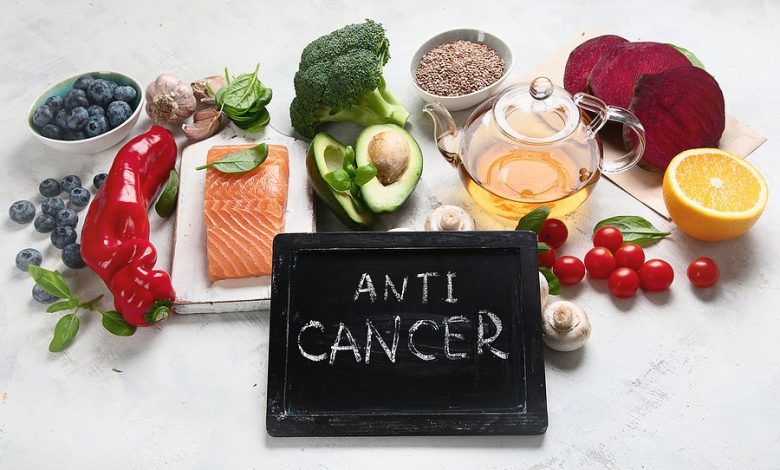
Cancer continues to be one of the world’s most challenging diseases, but research over the past two decades has shown one consistent theme: diet plays a significant role in cancer prevention, progression, and overall cellular health. While no single food can cure cancer, leading oncologists and cancer nutrition experts emphasize that certain foods contain powerful compounds that may help reduce inflammation, inhibit tumor growth, disrupt cancer cell signaling, and even cut off a tumor’s blood supply—a process known as anti-angiogenesis.
One top cancer expert, Dr. William Li—physician, cancer researcher, and author of the widely acclaimed work on angiogenesis—has long highlighted foods that naturally help starve tumors by preventing the growth of new blood vessels that feed cancer cells. Other oncology nutrition specialists echo similar findings, pointing to a growing body of scientific evidence.
Five of the most researched, expert-approved foods that may help starve tumors naturally, how they work in the body, what the science says, and how you can include them in your daily diet.
Understanding Tumor “Starvation”: The Science of Anti-Angiogenesis
To understand how certain foods may help fight cancer, you first need to understand angiogenesis.
What is angiogenesis?
Angiogenesis is the process by which the body forms new blood vessels. It’s essential for healing, growth, and survival. However, cancer hijacks this process, forcing the body to build new blood vessels specifically to supply tumors with oxygen and nutrients. More vessels mean a tumor can grow faster—and eventually spread.
What is anti-angiogenesis?
Anti-angiogenic compounds help inhibit this abnormal blood vessel formation. Some cancer therapies are designed specifically to block angiogenesis, but many natural foods contain the same types of bioactive compounds that can support the body’s natural defense system.
This doesn’t mean foods treat or cure cancer, but research shows they can:
- Reduce blood vessel formation around tumors
- Slow or inhibit cancer cell growth
- Reduce inflammation and oxidative stress
- Improve the body’s immune defense
- Support healthy cell function and repair
Below are five scientifically supported foods that top cancer experts commonly recommend for their anti-angiogenic potential.
1. Berries — Nature’s Most Powerful Tumor-Fighting Superfood
Berries—especially blueberries, strawberries, raspberries, and blackberries—are repeatedly highlighted by cancer researchers because they’re packed with:
- Anthocyanins (anti-angiogenic pigments)
- Ellagic acid
- Resveratrol
- Vitamin C
- Fiber
- Flavonoids
How berries help starve tumors
Studies show that berry compounds can:
- Block enzymes tumors need to spread
- Prevent formation of tumor blood vessels
- Reduce oxidative stress and DNA damage
- Slow growth of breast, colon, oral, and prostate cancer cells
- Improve immune system-mediated tumor suppression
In groundbreaking angiogenesis research, berries ranked among the highest-scoring anti-angiogenic foods.
Easy ways to add more berries to your diet
- Add blueberries to morning oatmeal or yogurt
- Blend mixed-berry smoothies
- Eat a handful of berries as a snack
- Add frozen berries to baked goods or desserts
Aim for 1–2 cups per day for optimal benefit.
2. Green Tea — The World’s Most Studied Anti-Cancer Drink
Green tea is rich in catechins, especially EGCG (epigallocatechin gallate), one of the most researched natural cancer-fighting compounds in the world.
How green tea may help block tumor growth
Studies suggest EGCG can:
- Inhibit angiogenesis in several cancer types
- Trigger cancer cell apoptosis (natural cell death)
- Reduce chronic inflammation
- Reduce tumor size in animal models
- Lower risk of breast, prostate, lung, and colorectal cancers
In regions where green tea consumption is highest—such as Japan—certain cancers have lower incidence rates.
How to drink it for maximum effect
- 2–3 cups of high-quality green tea per day
- Matcha may offer even stronger benefits due to higher catechin concentration
- Drink without sugar to avoid inflammation
3. Cruciferous Vegetables — The Detoxifying Tumor Blockers
Cruciferous vegetables include:
- Broccoli
- Brussels sprouts
- Cauliflower
- Cabbage
- Kale
- Arugula
- Bok choy
These vegetables contain sulforaphane, indole-3-carbinol, and glucosinolates—compounds linked to cancer prevention.
How cruciferous vegetables starve tumors
Research shows they can:
- Reduce tumor blood vessel development
- Neutralize carcinogens before they damage DNA
- Slow cancer cell division
- Support liver detoxification pathways
- Reduce estrogen-driven tumor growth (helpful for breast cancer risk)
One study found broccoli sprouts contain 20–100 times more sulforaphane than mature broccoli, making them one of the most potent foods on the planet.
Ways to add more to your diet
- Steam broccoli with olive oil and lemon
- Add kale to smoothies
- Stir-fry bok choy or cabbage
- Add cauliflower rice to meals
- Eat broccoli sprouts in salads
Aim for 1–2 servings per day.
4. Tomatoes — Rich in Lycopene That Targets Tumor Blood Supply
Tomatoes, especially cooked tomatoes, are rich in lycopene, a powerful antioxidant with anti-angiogenic and anti-inflammatory benefits.
How tomatoes work against tumors
Lycopene has been shown to:
- Reduce prostate cancer risk
- Block cancer blood vessel formation
- Inhibit tumor cell signaling pathways
- Reduce spread of breast and lung cancer cells
- Support DNA repair
Cooking tomatoes in olive oil makes lycopene up to 4 times more absorbable.
How to add more tomatoes to your diet
- Tomato soup
- Tomato-based pasta sauces
- Fresh tomato salads
- Sun-dried tomatoes
- Homemade salsa
Include tomatoes at least 3–5 times per week.
5. Turmeric — The Golden Spice With Anti-Cancer Power
Turmeric contains curcumin, one of the most widely studied natural anti-inflammatory and anti-cancer compounds.
How turmeric may help starve tumors
Curcumin has been shown to:
- Block angiogenesis at multiple stages
- Slow growth of breast, colon, pancreatic, and prostate cancer cells
- Reduce inflammatory cytokines
- Stop cancer cell proliferation
- Induce apoptosis (programmed tumor cell death)
Curcumin works best with black pepper, which boosts absorption by 2,000%.
Simple ways to add turmeric daily
- Add 1 teaspoon to soups, curries, and stews
- Drink turmeric milk or golden lattes
- Add turmeric to tea with ginger and lemon
- Use curcumin supplements (with medical guidance)
Aim for 1–2 teaspoons per day.
Other Foods Experts Often Recommend
While the above five foods rank among the strongest anti-angiogenic choices, cancer nutritionists often recommend a larger anti-cancer diet that includes:
- Garlic & onions – high in sulfur compounds that inhibit tumor growth
- Olive oil – rich in polyphenols and anti-inflammatory properties
- Fatty fish – omega-3 fatty acids reduce inflammation and slow cell proliferation
- Nuts & seeds – especially walnuts, almonds, and flaxseeds
- Dark chocolate (70%+) – contains flavanols that reduce blood vessel formation
- Mushrooms – such as shiitake and maitake for immune enhancement
Why Diet Alone Is Not Cancer Treatment
It’s essential to be clear: no food can replace cancer treatment, and dietary choices should always support—not substitute—medical therapy.
However, research consistently shows that diet can:
- Reduce inflammation
- Strengthen immune response
- Improve treatment outcomes
- Reduce recurrence risk
- Support healthy weight and metabolic function
- Protect DNA from damage
This means that diet is a powerful tool for prevention, risk reduction, and overall health.
How to Build a Daily Anti-Cancer Meal Plan
Here’s a sample day using anti-angiogenic foods:
Morning
- Green tea
- Greek yogurt with blueberries and strawberries
- Handful of walnuts
Lunch
- Kale or broccoli salad with tomatoes, olive oil, garlic, and lemon
- Grilled salmon or plant-based protein
Snack
- Mixed berries
- Green tea
Dinner
- Steamed broccoli or cauliflower
- Turmeric-spiced lentils or chicken
- Tomato and spinach side dish
Evening
- Matcha or herbal tea
This type of pattern—rich in whole foods, antioxidants, anti-inflammatory compounds, and anti-angiogenic bioactives—supports long-term cellular health.
What Leading Cancer Experts Say
Top cancer researchers like Dr. William Li emphasize that the best defense is a diverse diet full of natural plant-based compounds, not just one or two foods.
His research shows:
“Eating to beat cancer means using food as medicine. The right foods can activate your body’s natural defense systems and help starve cancer by cutting off the blood supply tumors need to grow.”
Other oncologists echo this, noting that consistent, long-term dietary habits are more important than occasional superfood consumption.
Precautions and Safety Considerations
Before dramatically changing your diet, consider:
- If you’re undergoing chemotherapy or radiation, some foods may interfere with absorption—ask your doctor.
- People on blood thinners should use turmeric cautiously.
- Excess antioxidants from supplements (not foods) may interfere with certain treatments.
- High doses of green tea extract can be harmful to the liver (tea is safe).
When in doubt, talk to an oncology dietitian.
Final Thoughts: Can Food Really Help Starve Tumors?
While diet is not a cure, research strongly supports that certain foods contain compounds that can:
- Inhibit tumor blood vessel formation
- Reduce cancer growth signals
- Protect DNA
- Reduce inflammation
- Strengthen immunity
- Lower overall cancer risk
The five foods highlighted—berries, green tea, cruciferous vegetables, tomatoes, and turmeric—are endorsed repeatedly by top cancer experts for their anti-angiogenic potential.
Incorporating these foods consistently into your diet is a powerful, natural way to support your body’s defenses and promote long-term cancer protection.