Top 10 Natural Remedies for Retinitis Pigmentosa to Improve Eye Health

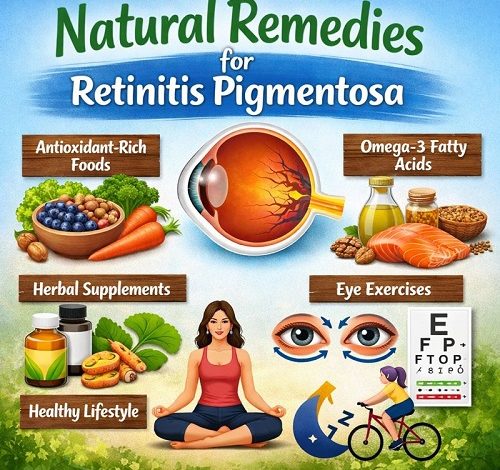
Retinitis Pigmentosa (RP) is a group of rare, inherited disorders that cause progressive vision loss. This degenerative eye condition affects the retina, the light-sensitive layer at the back of the eye, and primarily leads to difficulty seeing at night and a gradual narrowing of the visual field. Although there is no definitive cure yet, many people with RP are turning to Natural Remedies for Retinitis Pigmentosa to support their eye health, slow disease progression, and improve overall vision quality.
The top 10 natural remedies for Retinitis Pigmentosa, along with practical lifestyle changes, dietary tips, and holistic therapies that can act as a Retinitis Pigmentosa Natural Cure.
Understanding Retinitis Pigmentosa
Before diving into natural treatments, it’s essential to understand what RP is and how it affects vision. RP occurs due to genetic mutations that damage the photoreceptor cells in the retina, specifically rods and cones. Rod cells help with night vision, while cone cells manage color perception and central vision. As these cells deteriorate over time, individuals experience:
- Night blindness
- Tunnel vision
- Difficulty adjusting to low light
- Loss of central vision in advanced stages
While conventional medicine offers limited treatment options such as vitamin A palmitate supplementation or retinal implants, Natural Remedies for Retinitis Pigmentosa focus on nourishing the eyes, reducing oxidative stress, and promoting retinal health naturally.
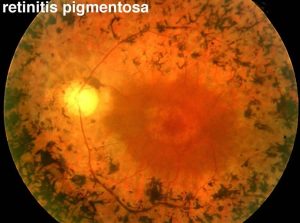
Top 10 Natural Remedies for Retinitis Pigmentosa
The Top 10 Natural Remedies for Retinitis Pigmentosa, offering a combination of diet, supplements, and lifestyle strategies to enhance eye function naturally.
1. Vitamin A Supplementation
Vitamin A plays a crucial role in maintaining healthy photoreceptors and supporting night vision. Studies suggest that vitamin A palmitate may slow the progression of RP in certain cases. However, it’s important to use it under medical supervision because excessive intake can be toxic.
Sources of Vitamin A:
- Carrots
- Sweet potatoes
- Spinach
- Kale
- Eggs
Incorporating these foods into your diet can be part of a Natural Treatment for Retinitis Pigmentosa, providing essential nutrients for retinal cell repair and regeneration.
2. Omega-3 Fatty Acids
Omega-3 fatty acids, particularly DHA (docosahexaenoic acid), are vital for retinal health. DHA is a major structural component of photoreceptor cells, and studies have shown that higher dietary intake can improve retinal function.
Natural Sources of Omega-3:
- Fatty fish (salmon, sardines, mackerel)
- Flaxseeds
- Chia seeds
- Walnuts
- Algal oil (plant-based DHA source)
A diet rich in omega-3s may serve as a Retinitis Pigmentosa Natural Cure, reducing inflammation and supporting overall eye health.
3. Antioxidant-Rich Foods
Oxidative stress is a significant factor in retinal degeneration. Free radicals can damage photoreceptor cells, accelerating vision loss. Antioxidants neutralize these free radicals and may slow RP progression.
Powerful Antioxidants for Eye Health:
- Vitamin C: oranges, strawberries, bell peppers
- Vitamin E: almonds, sunflower seeds, spinach
- Lutein and Zeaxanthin: kale, spinach, egg yolks, corn
- Selenium: Brazil nuts, mushrooms, fish
Including these antioxidants as part of a Natural Treatment for Retinitis Pigmentosa can protect retinal cells and enhance overall visual function.
4. Herbal Remedies
Certain herbs have shown promise in supporting retinal health. While not a replacement for medical care, they can be integrated into daily routines for their anti-inflammatory and antioxidant properties.
Notable Herbs:
- Ginkgo Biloba: Improves blood flow to the retina and has antioxidant effects
- Bilberry Extract: Rich in anthocyanins that enhance night vision
- Turmeric (Curcumin): Anti-inflammatory and antioxidant benefits
Using these herbs consistently may provide a Retinitis Pigmentosa Natural Cure approach by supporting retinal cell health and slowing degeneration.
5. Zinc Supplementation
Zinc is essential for retinal metabolism and vitamin A transport. Deficiency can lead to impaired vision and retinal degeneration. Studies suggest that zinc supplementation may help preserve visual function in RP patients.
Natural Zinc Sources:
- Pumpkin seeds
- Chickpeas
- Cashews
- Beef and poultry
- Spinach
Including zinc-rich foods or supplements in your diet can act as part of a Natural Treatment for Retinitis Pigmentosa, supporting long-term eye health.
6. Coenzyme Q10 (CoQ10)
Coenzyme Q10 is a natural antioxidant that protects retinal cells from oxidative damage and improves mitochondrial function. It is particularly beneficial for degenerative eye conditions like RP.
Sources of CoQ10:
- Organ meats (heart, liver)
- Fatty fish
- Spinach
- Broccoli
- Supplement forms are widely available
CoQ10 supplementation may help slow retinal degeneration and improve visual function, making it a valuable component of a Retinitis Pigmentosa Natural Cure plan.
7. Regular Eye Exercises
Although eye exercises cannot reverse RP, they may improve circulation and reduce eye strain. Simple routines like focusing on near and far objects, gentle eye rotations, and blinking exercises help maintain retinal function and flexibility.
Examples of Eye Exercises:
- Palming: Rub hands together and place over closed eyes for relaxation
- Focus Shifts: Alternate focus between near and distant objects
- Eye Rolling: Slowly rotate eyes clockwise and counterclockwise
Incorporating these exercises into your daily routine complements other Natural Remedies for Retinitis Pigmentosa by promoting overall eye health.
8. Sun Protection
UV light exposure can accelerate retinal damage in RP patients. Protecting the eyes from harmful sunlight is crucial.
Tips for Sun Protection:
- Wear UV-protective sunglasses
- Use wide-brimmed hats
- Avoid direct sunlight during peak hours (10 AM–4 PM)
Sun protection may not directly reverse RP, but it acts as a preventive Natural Treatment for Retinitis Pigmentosa, reducing further retinal stress and damage.
9. Healthy Lifestyle and Diet
Overall wellness significantly impacts eye health. A nutrient-rich diet, regular exercise, and avoiding harmful habits like smoking can improve blood circulation to the retina and reduce inflammation.
Dietary Recommendations:
- Include plenty of leafy greens, berries, and colorful vegetables
- Eat lean proteins and healthy fats
- Limit processed foods and sugar
Lifestyle Habits:
- Exercise regularly to improve blood flow
- Stay hydrated to maintain eye moisture
- Practice stress reduction techniques like yoga and meditation
A holistic approach combining diet and lifestyle serves as a comprehensive Retinitis Pigmentosa Natural Cure strategy.
10. Emerging Natural Therapies
Several promising natural therapies are being explored for RP. Although still under research, they may enhance retinal function and slow disease progression.
Notable Therapies:
- Stem Cell Nutrition Support: Nutrients that enhance retinal stem cell activity
- Light Therapy: Controlled exposure to specific light wavelengths to stimulate retinal cells
- Gene-Nutrition Therapy: Using diet to influence gene expression linked to retinal degeneration
While these approaches are not yet mainstream, they highlight the potential for future Natural Remedies for Retinitis Pigmentosa to provide even more effective solutions.
Combining Remedies for Maximum Effect
The most effective approach to managing RP naturally involves combining several of these remedies. For example:
- A diet rich in vitamin A, omega-3s, and antioxidants
- Herbal supplements like ginkgo biloba and bilberry
- Eye exercises and UV protection
- CoQ10 and zinc supplementation
Together, these strategies can support retinal health, slow vision loss, and improve quality of life for RP patients.
Important Considerations
While natural remedies can provide significant benefits, they should be approached with care:
- Consult your ophthalmologist before starting supplements, especially vitamin A and zinc.
- Regular eye exams are crucial to monitor RP progression.
- Natural remedies complement but do not replace conventional medical treatments.
By taking a proactive, holistic approach, RP patients can leverage Natural Treatment for Retinitis Pigmentosa to support vision and maintain eye health.
Conclusion
Retinitis Pigmentosa is a challenging condition, but there is hope through natural, holistic approaches. From nutrient-rich diets and herbal remedies to lifestyle changes and protective measures, these Natural Remedies for Retinitis Pigmentosa can improve retinal health, slow degeneration, and enhance quality of life.
Incorporating strategies like vitamin A and omega-3 intake, antioxidants, zinc, CoQ10, eye exercises, and sun protection creates a comprehensive Retinitis Pigmentosa Natural Cure plan. While RP currently has no absolute cure, these natural treatments empower individuals to take control of their eye health, potentially preserving vision for longer.
By adopting these methods consistently, RP patients can live fuller lives with healthier eyes, making Natural Remedies for Retinitis Pigmentosa an essential part of their wellness journey.