Powerful Herbal Remedies for Fuchs Dystrophy to Improve Eye Health Naturally

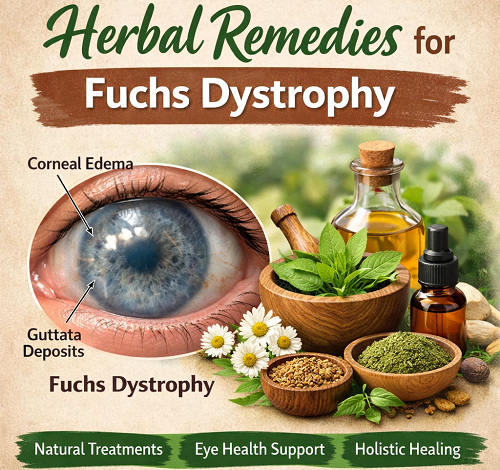
Eye health plays a vital role in our daily lives, allowing us to experience the world clearly and comfortably. However, certain eye conditions can gradually affect vision and overall quality of life. One such condition is Fuchs’ dystrophy, a progressive disorder that affects the cornea and can lead to blurred vision, glare sensitivity, and discomfort. While conventional medical treatments such as eye drops, corneal transplants, and lifestyle changes are commonly recommended, many people are increasingly exploring natural options as supportive care.
This is where Herbal Remedies for Fuchs Dystrophy are gaining attention. Herbal approaches have been used in traditional medicine for centuries to support eye health, reduce inflammation, and provide antioxidants that protect delicate eye tissues. Although herbal solutions cannot replace professional medical treatment, they may help support eye wellness and slow the progression of symptoms when used responsibly. Powerful herbal remedies, lifestyle tips, and natural strategies that may help improve eye health and provide supportive relief for individuals dealing with Fuchs dystrophy.
Understanding Fuchs Dystrophy
Fuchs dystrophy is a condition that affects the corneal endothelium, the inner layer of cells responsible for pumping fluid out of the cornea. These cells maintain the cornea’s clarity by preventing fluid buildup.
In people with Fuchs dystrophy:
- Endothelial cells gradually deteriorate
- Fluid accumulates in the cornea
- The cornea becomes swollen and cloudy
- Vision becomes blurry or hazy
Common Symptoms
People experiencing this condition may notice:
- Blurred vision, especially in the morning
- Sensitivity to light
- Glare and halos around lights
- Eye discomfort
- Reduced contrast sensitivity
- Gradual vision decline
The condition often develops slowly over many years and usually affects adults over the age of 40.
Causes and Risk Factors
Several factors may contribute to the development of Fuchs dystrophy:
- Genetic predisposition
- Aging
- Oxidative stress in eye tissues
- Environmental factors
- Previous eye trauma or surgery
Because oxidative damage plays a role in corneal cell degeneration, many experts believe antioxidant-rich herbs may help support eye health.
Why Consider Herbal Remedies for Fuchs Dystrophy?
Many natural health practitioners focus on strengthening the body’s healing ability through nutrition and plant-based compounds. Herbal Remedies for Fuchs Dystrophy often target the following areas:
- Reducing oxidative stress
- Supporting corneal tissue health
- Improving circulation to the eyes
- Reducing inflammation
- Supporting hydration of eye tissues
Herbs are rich in:
- Flavonoids
- Polyphenols
- Vitamins
- Anti-inflammatory compounds
- Circulation-supporting nutrients
When combined with a healthy lifestyle, herbal remedies may provide additional support for people managing eye conditions.
Best Herbal Remedies for Fuchs Dystrophy
Bilberry
Bilberry has long been associated with vision support and eye health.
Benefits for Eye Health
Bilberries contain powerful antioxidants known as anthocyanins, which may:
- Protect corneal cells from oxidative stress
- Improve microcirculation in the eyes
- Strengthen capillaries
- Support retinal and corneal health
These properties make bilberry one of the most popular Herbal Remedies for Fuchs Dystrophy.
How to Use
- Bilberry capsules
- Bilberry extract
- Bilberry tea
- Fresh or dried berries
Consistent use may help protect eye tissues from damage caused by free radicals.
Ginkgo Biloba
Ginkgo biloba is a well-known herb used for improving circulation and supporting brain and eye health.
Potential Benefits
This herb may help:
- Increase blood flow to the eyes
- Protect cells from oxidative damage
- Support nerve and visual function
- Reduce inflammation
Improved circulation can deliver essential nutrients and oxygen to the cornea and surrounding eye tissues.
Usage
Common forms include:
- Capsules
- Liquid extracts
- Herbal teas
Because ginkgo can interact with medications, medical guidance is recommended before use.
Turmeric
Turmeric contains curcumin, a compound known for strong anti-inflammatory and antioxidant properties.
How Turmeric May Help
Curcumin may:
- Reduce inflammation in eye tissues
- Protect cells from oxidative stress
- Support immune function
- Promote overall eye wellness
Inflammation and oxidative damage are linked to many degenerative eye conditions, making turmeric a helpful herbal support.
Ways to Consume
- Turmeric tea
- Golden milk
- Capsules
- Powder added to meals
Combining turmeric with black pepper improves curcumin absorption.
Eyebright
As the name suggests, eyebright has traditionally been used for eye-related conditions.
Traditional Uses
Eyebright may help:
- Reduce eye irritation
- Support corneal health
- Relieve dryness
- Calm inflammation
Historically, herbalists have used eyebright in compresses and teas to support vision and eye comfort.
Common Forms
- Eyebright tea
- Herbal extract
- Capsules
- Eye compress (herbal infusion applied externally)
Green Tea
Green tea is packed with catechins, powerful antioxidants that help protect cells throughout the body, including the eyes.
Eye Health Benefits
Green tea may help:
- Protect eye tissues from oxidative stress
- Support hydration and circulation
- Reduce inflammation
- Support long-term eye function
Regular consumption of green tea may provide gentle but consistent support for overall eye wellness.
Lifestyle Habits That Support Eye Health
Herbal remedies work best when combined with healthy daily habits.
Eat Nutrient-Rich Foods
Focus on foods rich in:
- Vitamin A
- Vitamin C
- Vitamin E
- Omega-3 fatty acids
- Zinc
- Lutein and zeaxanthin
Foods that support eye health include:
- Leafy greens
- Carrots
- Sweet potatoes
- Citrus fruits
- Nuts and seeds
- Fatty fish
Stay Hydrated
Proper hydration helps maintain fluid balance in the eyes and supports overall health.
Protect Your Eyes from UV Light
Wearing sunglasses may reduce damage from sunlight and protect sensitive eye tissues.
Manage Screen Time
Extended screen exposure can strain the eyes and worsen symptoms.
Helpful tips include:
- Taking breaks every 20 minutes
- Adjusting screen brightness
- Blinking regularly
Supplements That May Support Herbal Remedies
Some natural nutrients are often combined with Herbal Remedies for Fuchs Dystrophy to support eye health.
These include:
- Lutein
- Zeaxanthin
- Vitamin C
- Omega-3 fatty acids
- Zinc
- Coenzyme Q10
These nutrients help protect cells from oxidative stress and support long-term eye function.
Natural Eye Care Practices
In addition to herbs and nutrition, certain natural practices may help reduce discomfort and support eye health.
Warm Compresses
Warm compresses may help:
- Improve circulation around the eyes
- Relieve discomfort
- Reduce dryness
Adequate Sleep
Sleep allows the body and eyes to repair and restore themselves.
Gentle Eye Exercises
Eye exercises may help reduce strain and support circulation.
Examples include:
- Focus shifting
- Palming
- Slow blinking
When to See an Eye Specialist
Although Herbal Remedies for Fuchs Dystrophy may provide supportive benefits, it is important to consult an eye care professional for proper diagnosis and treatment.
Medical treatments may include:
- Lubricating eye drops
- Hypertonic saline solutions
- Soft contact lenses
- Corneal transplant surgery in advanced cases
Early detection and monitoring can help preserve vision and slow progression.
Safety Considerations
While herbs are natural, they should still be used carefully.
Important safety tips include:
- Consult a healthcare professional before starting herbal supplements
- Check for medication interactions
- Use recommended dosages
- Choose high-quality herbal products
- Stop use if unusual symptoms occur
Pregnant or breastfeeding individuals should seek medical advice before using herbal remedies.
The Future of Natural Eye Support
Interest in herbal medicine and natural therapies continues to grow. Researchers are increasingly studying plant compounds that may protect the eyes and support vision health.
Antioxidants, anti-inflammatory compounds, and circulation-supporting herbs are promising areas of research for conditions like Fuchs dystrophy and other degenerative eye diseases.
Although herbal remedies are not a cure, they may play a supportive role in a holistic eye care routine.
Conclusion
Living with Fuchs’ dystrophy can be challenging, but many individuals are exploring natural ways to support their eye health alongside medical care. Herbal Remedies for Fuchs Dystrophy offer a gentle, holistic approach that may help protect eye tissues, reduce inflammation, and support overall visual wellness.
Herbs such as bilberry, ginkgo biloba, turmeric, eyebright, and green tea provide powerful antioxidants and beneficial plant compounds that may help nourish the eyes naturally. When combined with healthy nutrition, proper eye care habits, and professional guidance, these remedies may contribute to better eye comfort and long-term wellness.
If you are considering herbal treatments, always consult an eye specialist or healthcare provider to ensure the best and safest approach for your individual needs.
With the right balance of medical care, nutrition, and herbal support, protecting your vision and maintaining eye health is possible.