
Dry mouth, medically known as xerostomia, is a common yet uncomfortable condition that affects millions of people worldwide. It occurs when the salivary glands fail to produce enough saliva to keep the mouth moist. Saliva plays a crucial role in digestion, oral health, and overall comfort, so when it’s lacking, the effects can be disruptive and even painful.
Fortunately, Natural Remedies for Dry Mouth offer fast, effective, and long-lasting relief without relying heavily on medications or artificial products. These remedies not only soothe dryness but also support oral health and address underlying causes. Many of these solutions overlap with Natural Remedies for Burning Mouth Syndrome, making them especially beneficial for individuals experiencing both conditions.
The causes, symptoms, and most effective natural remedies for dry mouth, along with practical lifestyle tips to help you regain lasting comfort.
Understanding Dry Mouth: Causes and Symptoms
Common Causes of Dry Mouth
Dry mouth can result from a wide range of factors, including:
- Dehydration
- Medications (antidepressants, antihistamines, blood pressure drugs)
- Stress and anxiety
- Smoking or tobacco use
- Mouth breathing
- Aging
- Hormonal changes
- Medical conditions such as diabetes, Sjögren’s syndrome, or nerve damage
- Cancer treatments like chemotherapy or radiation
Understanding the root cause is essential for choosing the most effective Natural Remedies for Dry Mouth.
Symptoms of Dry Mouth
Common signs include:
- Constant thirst
- Sticky or dry feeling in the mouth
- Difficulty chewing, swallowing, or speaking
- Cracked lips or tongue
- Bad breath
- Burning or tingling sensation (often linked to Burning Mouth Syndrome)
- Increased risk of cavities and gum disease
If left untreated, dry mouth can significantly affect your quality of life.
Why Choose Natural Remedies for Dry Mouth?
Many people prefer natural approaches because they:
- Are gentler and safer for long-term use
- Address root causes, not just symptoms
- Improve overall oral and digestive health
- Often help with related conditions like Burning Mouth Syndrome
Let’s explore the most effective and proven Natural Remedies for Dry Mouth that provide both fast and lasting relief.
Top Natural Remedies for Dry Mouth
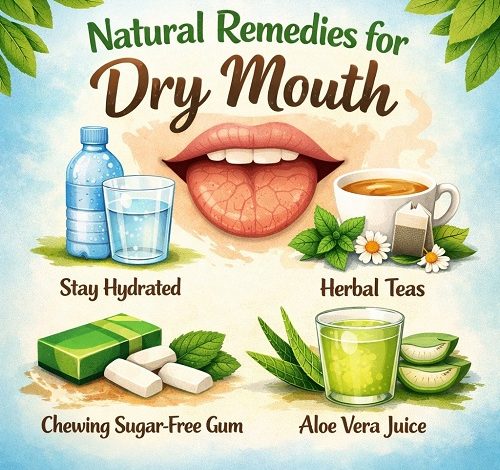
1. Stay Properly Hydrated
One of the simplest and most effective remedies is adequate hydration.
How it helps:
- Keeps oral tissues moist
- Supports saliva production
- Flushes out toxins and bacteria
Tips:
- Sip water throughout the day
- Avoid sugary or caffeinated drinks
- Drink warm or room-temperature water for better absorption
Hydration is also one of the most recommended Natural Remedies for Burning Mouth Syndrome.
2. Chew Sugar-Free Gum or Suck on Sugar-Free Lozenges
Chewing stimulates saliva flow naturally.
Best options:
- Xylitol-based gum (also helps prevent cavities)
- Herbal lozenges with ginger or mint
Benefits:
- Immediate relief from dryness
- Helps neutralize mouth acids
- Improves oral freshness
3. Coconut Oil Pulling
Oil pulling is an ancient Ayurvedic practice that works wonders for oral dryness.
How to use:
- Swish 1 tablespoon of coconut oil in your mouth for 10–15 minutes
- Spit it out and rinse with warm water
Benefits:
- Moisturizes oral tissues
- Reduces harmful bacteria
- Soothes burning sensations
This method is especially effective among Natural Remedies for Burning Mouth Syndrome.
4. Aloe Vera Juice or Gel
Aloe vera is known for its soothing and healing properties.
How it helps:
- Moisturizes the mouth lining
- Reduces inflammation
- Promotes tissue repair
How to use:
- Drink aloe vera juice (unsweetened)
- Apply aloe gel inside the mouth if recommended by a healthcare provider
5. Herbal Teas for Dry Mouth Relief
Certain herbal teas can stimulate saliva and calm oral discomfort.
Best options include:
- Chamomile tea
- Ginger tea
- Peppermint tea
- Licorice root tea
These teas are widely recognized as Natural Remedies for Dry Mouth and also help relieve burning sensations.
6. Use a Humidifier While Sleeping
Dry indoor air, especially at night, can worsen dry mouth.
Benefits:
- Adds moisture to the air
- Reduces nighttime mouth breathing
- Improves overall comfort
This is a simple yet powerful natural solution for long-term relief.
7. Avoid Drying Foods and Habits
Certain foods and habits can worsen symptoms.
Avoid:
- Alcohol
- Caffeine
- Spicy and salty foods
- Smoking and tobacco
Replacing these triggers with healthier options enhances the effectiveness of Natural Remedies for Dry Mouth.
8. Eat Saliva-Stimulating Foods
Your diet plays a crucial role in managing dry mouth.
Best foods include:
- Citrus fruits (lemons, oranges)
- Crunchy vegetables (carrots, celery)
- Apples and pears
- Cucumber
These foods naturally stimulate saliva production and support oral health.
9. Honey and Warm Water Remedy
Honey is a natural humectant, meaning it attracts and retains moisture.
How to use:
- Mix 1 teaspoon of raw honey in warm water
- Sip slowly
Benefits:
- Immediate soothing effect
- Antibacterial properties
- Helps heal irritated tissues
10. Vitamin and Mineral Support
Nutritional deficiencies can contribute to dry mouth.
Key nutrients include:
- Vitamin B12
- Iron
- Zinc
- Omega-3 fatty acids
Consult a healthcare professional before starting supplements, but addressing deficiencies can significantly improve symptoms.
Natural Remedies for Burning Mouth Syndrome and Dry Mouth
Burning Mouth Syndrome (BMS) often overlaps with dry mouth symptoms. Many Natural Remedies for Dry Mouth are also effective for BMS, including:
- Coconut oil pulling
- Aloe vera
- Chamomile tea
- Stress management techniques
- Proper hydration
Reducing inflammation and soothing nerve irritation are key goals in managing both conditions naturally.
Lifestyle Changes for Lasting Relief
Manage Stress and Anxiety
Stress can reduce saliva production and worsen symptoms.
Effective techniques include:
- Deep breathing exercises
- Meditation
- Yoga
- Gentle physical activity
Stress management enhances the long-term success of Natural Remedies for Dry Mouth.
Practice Good Oral Hygiene
Maintaining oral hygiene is essential when saliva is reduced.
Tips:
- Use alcohol-free mouthwash
- Brush with fluoride toothpaste
- Floss daily
- Visit your dentist regularly
Breathe Through Your Nose
Mouth breathing is a major contributor to dry mouth.
Solutions:
- Address nasal congestion
- Use saline sprays
- Practice nasal breathing exercises
When to See a Doctor
While Natural Remedies for Dry Mouth are effective for many people, seek medical advice if:
- Symptoms persist for weeks
- You experience severe pain or burning
- Dry mouth interferes with eating or speaking
- You suspect an underlying medical condition
Early diagnosis can prevent complications and improve outcomes.
Frequently Asked Questions
Can dry mouth be cured permanently?
In many cases, yes—especially if caused by dehydration, stress, or lifestyle factors. Natural remedies can provide long-term relief when used consistently.
Are natural remedies safe for daily use?
Most Natural Remedies for Dry Mouth are safe for daily use, but always consult a healthcare professional if you have underlying conditions.
How long do natural remedies take to work?
Some remedies like hydration and gum provide immediate relief, while others may take days or weeks for lasting improvement.
Final Thoughts
Dry mouth may seem like a minor inconvenience, but it can significantly affect your comfort, confidence, and oral health. The good news is that Natural Remedies for Dry Mouth offer a safe, effective, and holistic approach to managing symptoms and improving quality of life.
From hydration and diet changes to herbal solutions and stress management, these remedies not only provide fast relief but also promote lasting oral wellness. Many of them double as Natural Remedies for Burning Mouth Syndrome, making them especially valuable for those dealing with overlapping symptoms.